1. Home
  2. Knowledge Base | PreventionWeb
  3. Themes

Inclusion

Ensuring an all-of-society engagement and partnership for DRR through empowerment and inclusive, accessible and non-discriminatory participation, paying special attention to people disproportionately affected by disasters, especially the poorest.
Here are five ways countries ensure persons with disabilities are not left behind when the next disaster strikes.

Latest Inclusion additions in the Knowledge Base

Uploaded on
Documents and publications

This case study examines the immediate and longer-term consequences of the 2011 floods in Thailand on migrants from Myanmar, Cambodia, Lao PDR and Vietnam. It was conducted as part of the EU-funded project Migrants in Countries in Crisis: Supporting an

International Centre for Migration Policy Development
Research briefs

A recent study analysed the interaction between humidity and heat in order to estimate the magnitude and impact of heat waves. The study concludes that should temperatures rise to 4 degrees Celsius above pre-industrial times, a new super-heatwave with an apparent heat and humidity temperature of 55 degrees Celsius could be expected.

European Commission Joint Research Centre
Update

A new climate change study finds that weather-related disasters could affect two-thirds of the European population annually by 2100. This research underlines the need for increased mitigation, adaptation and risk reduction efforts, and highlights the need to better understand the impact of disasters in areas of the world most likely to suffer the worst consequences.

Huffington Post Inc.
Research briefs

Older adults are among the most vulnerable populations during and after storms, a recent study suggests. As disaster response planning for communities often focuses on the immediate surge after the event, older adults are easily overlooked, with the effects of disaster lasting longer.

Conversation Media Group, the
Update

Jamaica's Met Office is using its Climate Predictability Tool to accurately forecast drought across the island, and in Cuba the Centre for Atmospheric Physics at the Institute for Meteorology helps prepare for extreme weather conditions. Such tools can assist Caribbean nations in countering the effects of climate change.

Inter Press Service International Association
Update

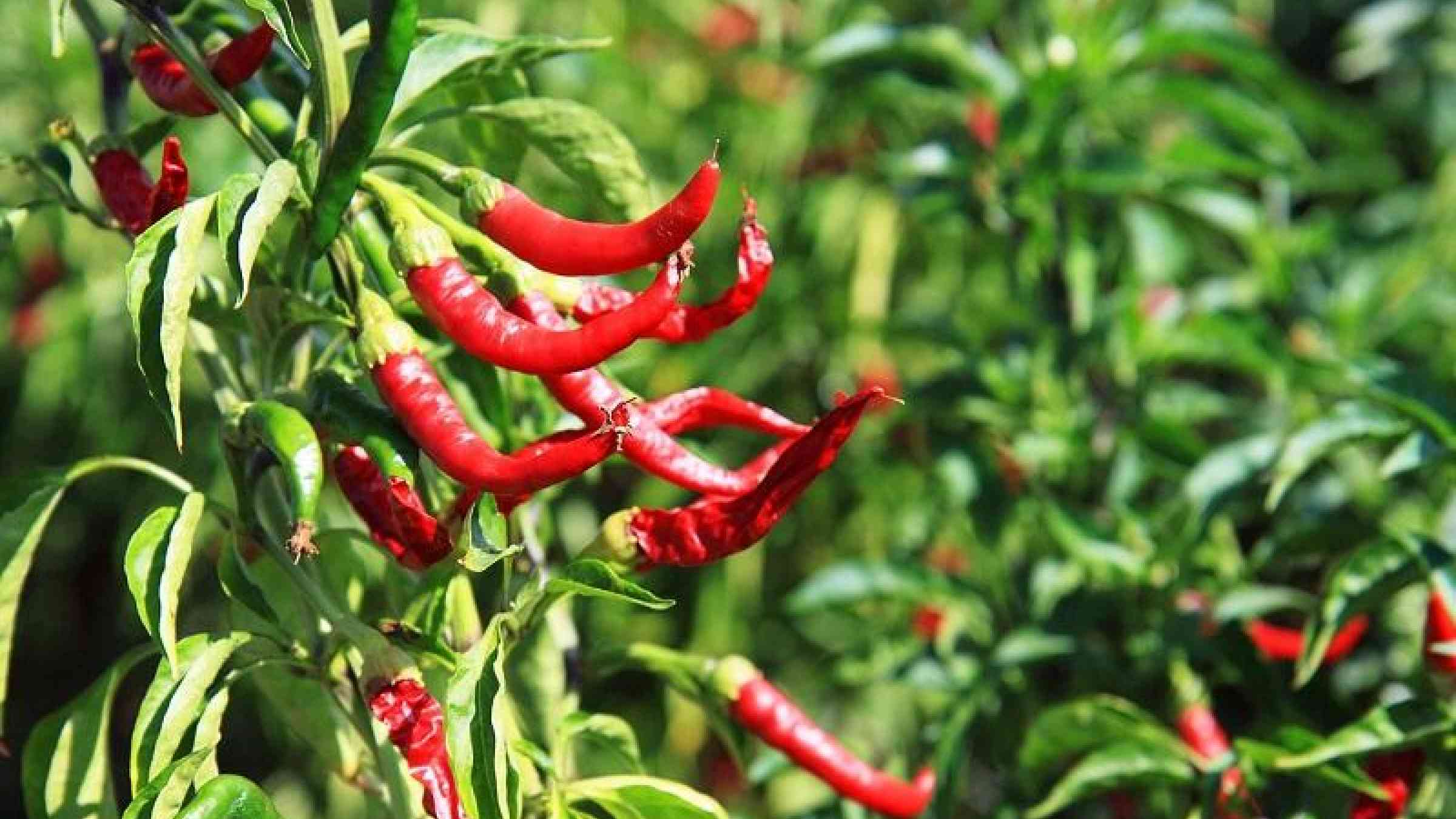
In Kenya, to strengthen resilience after losing their livestock to drought, farmers have started cultivating chillies. Being a drought resistant crop that does not require fertilizer or water once the roots are established, chillies provide a safer livelihood for the farmers and help them to cope with tough climate conditions.

Thomson Reuters Foundation, trust.org
Update

A new study from the European Commission has combined information on documented disasters with hazard and demography projections until 2100. The results show that, under a business-as-usual scenario, some 350 million Europeans could be exposed to harmful temperatures. The study highlights the need to curb greenhouse gas emissions and halt climate change.

European Commission
Research briefs

Cities experience warming twice as much as the rest of the world due to the phenomenon known as the urban heat island effect. A recent study shows that marginalized groups, such as ethnic minorities and low-income people, are the most vulnerable to the effects of this heating due to their exclusion from climate change adaptation initiatives.

Conversation Media Group, the
Uploaded on