1. Home
  2. Knowledge Base | PreventionWeb
  3. Themes

Inclusion

Ensuring an all-of-society engagement and partnership for DRR through empowerment and inclusive, accessible and non-discriminatory participation, paying special attention to people disproportionately affected by disasters, especially the poorest.
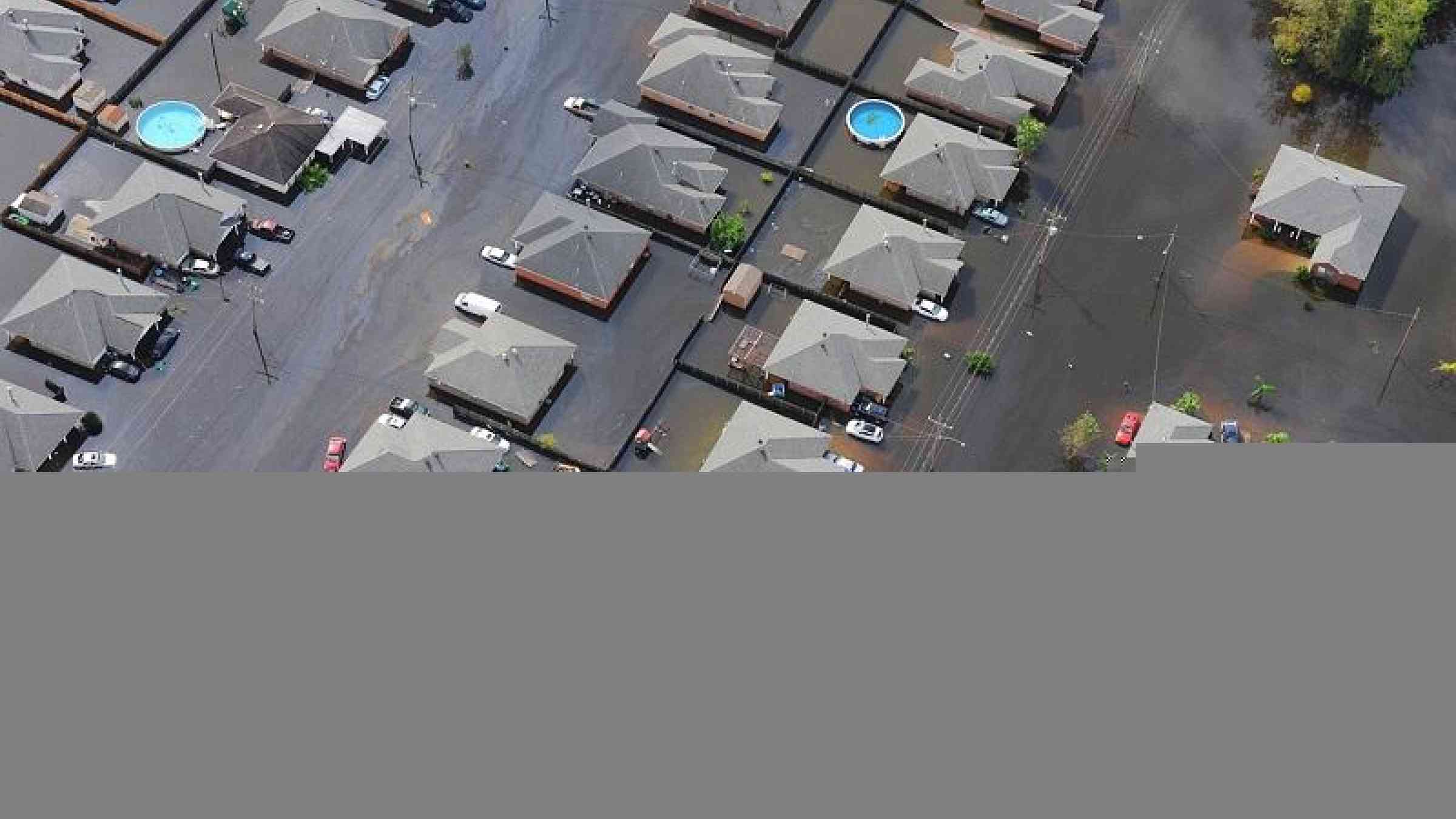
Here are five ways countries ensure persons with disabilities are not left behind when the next disaster strikes.

Latest Inclusion additions in the Knowledge Base

Uploaded on
Update

Climate scientists provide evidence on how warming seas and atmosphere will amplify hurricanes and other disasters. Simultaneously, the media discourse on disasters is framing them as something sinister, a misplaced attribution that historically leads us in the wrong direction.

Los Angeles Times
Update

The state of Odisha is recognized as one of the world's most disaster-ready states. By building cyclone and flood shelters, empowering the community, and raising units of personnel highly trained in disaster risk management, Odisha builds its resilience and is working on extending its early warning systems.

YourStory
Update

The danger presented by Hurricane Irma is not from the natural hazard in itself, but rather from the quality of the built environment which lies in its path. It highlights how poverty is a key driver of disaster risk and cause of mortality as it is those living in marginalised areas who are most vulnerable to disaster impacts.

Huffington Post Inc.
Update

In the United States, an emphasis is placed on flood recovery rather than avoidance. At some point, recovery needs to move onto the next phase of rebuilding a more resilient city. The inclusion of green infrastructure, with the ability to soak up water and slow down flooding, is one often politically overlooked part of resilient rebuilding.

Guardian, the (UK)
Update

In rebuilding infrastructures in urban settings, certain considerations need to be taken into account for current and future climatic conditions. That includes prioritisation of proactive maintenance of existing structures, and designing infrastructure with climate change, creativity, and accessibility across socio-economic classes in mind.

Conversation Media Group, the
Update

When Sint Maarten was hit by a category 5 hurricane in the late 1990s, the Caribbean island was left ravaged and without power for days. Sint Maarten invested in building back better, and now runs annual hurricane awareness campaigns and hurricane shelters. Hurricane Irma shows the need for continued efforts with a long-term focus.

ODI Global
Update

UN Women Bangladesh is working on bringing gendered needs into disaster risk reduction and humanitarian action. A National Resilience Programme was initiated in 2017, with the aim of incorporating disaster risk reduction into the ongoing development work to ensure resilience and cross-sectoral collaboration.

Update

Nepal has made progress in disaster management by strengthening its institutional arrangements for disaster risk reduction and creating national multi-stakeholder platforms. Flood forecasting and early warning systems have been paramount to this progress, though the community response to the warnings needs to be improved.

The Kathmandu Post
Uploaded on