1. Home
  2. Hubs: tools and knowledge
  3. Wildfire Portal

Water

Wildfires can affect water resources by damaging watersheds, degrading water quality and disrupting water supply systems.

Ash, debris and contaminants from burned landscapes can impact rivers, reservoirs and groundwater, while increased demand during firefighting and recovery can place additional pressure on water resources. Explore the latest research, insights and resources on the impacts of wildfires on water and the measures needed to protect water security and strengthen resilience.
Uploaded on
Update
Amazon fires contribute to Andean glacier melting

New research finds that black carbon emissions produced by fires in the Amazon cause glaciers in the Andes to absorb more sunlight, increasing their rate of melting.

Eos - AGU
Update
Bushfires threaten drinking water safety, with lasting consequences

Warnings in Australia: Bushfires damage water supply infrastructure and water catchments, impeding treatments that make drinking water safe.

Conversation Media Group, the
Documents and publications

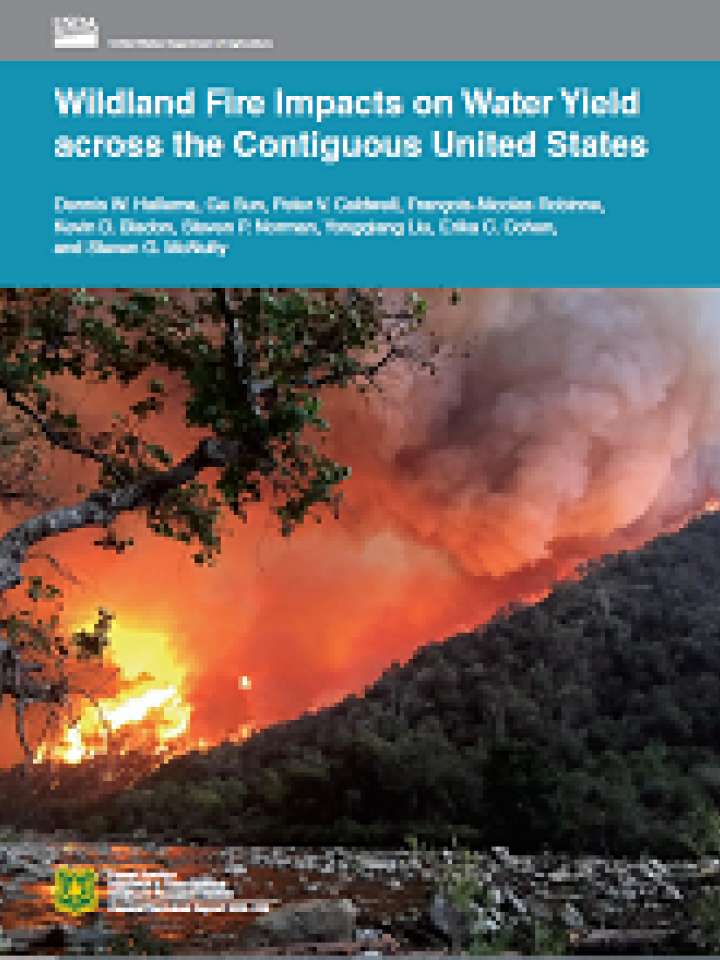
This report, presents critical new information for the National Cohesive Wildland Fire Management Strategy---a first-time assessment of observed and potential wildland fire impacts on surface water yield. Wildland fires in the contiguous United States

United States Department of Agriculture
Research briefs
Wildfires affect water resources long after the smoke clears

Wildfires affect watersheds in myriad ways, from reducing evapotranspiration to changing soil repellencies, but new research suggests impacts on snowpack and runoff are the most significant.

Eos - AGU
Update
USA: After a quake, if it's windy, parts of LA could burn to the ocean

In Los Angeles, crumbling buildings are a real danger, but the fire that follows an earthquake can be even more destructive, especially in water shortage conditions.

LAist
Documents and publications

Recent human-interface wildfires around the world have raised concerns regarding the reliability of freshwater supply flowing from severely burned watersheds. Degraded source water quality can often be expected after severe wildfire and can pose

Multidisciplinary Digital Publishing Institute
Update
Los Angeles needs to reclaim what we used to consider ‘wastewater’

Mayor Eric Garcetti's announcement that Los Angeles will recycle all the wastewater produced at the Hyperion plant by 2035 signals an end to the era of addressing water shortages by importing water. Reclaiming wastewater will help mitigate scarcities and yield many environmental and financial benefits as worsening floods, fires and droughts trigger more shortages.

Los Angeles Times
Update
Australia: Climate change is poised to deliver more Black Saturdays

Ten years after the Black Saturday bushfires resulted in major fatalities and destruction, climate change is increasingly associated with more days of extreme heat, longer heatwaves and more frequent droughts. With the possibility of another massive catastrophe that could even impact water supplies, risk-informed measures are crucial for avoiding more losses.

Conversation Media Group, the
Uploaded on