1. Home
  2. Hubs: tools and knowledge
  3. Wildfire Portal

Risk communication

Effective risk communication is essential for helping people understand wildfire threats, make informed decisions and take timely action before, during and after a fire.

Clear, trusted and accessible communication can support preparedness, strengthen early warning, address misinformation and ensure that messages reach diverse communities, including those most at risk. Explore the latest research, insights and resources on wildfire risk communication and the approaches needed to build trust, improve awareness and strengthen resilience.
Uploaded on
Update

The wildfires in northern Californa act as a reminder of that climate change is not a future or a distant island-nation problem. It can also serve as an entry point to discussions about the role of climate change and its impact, and how planning can incorporate measures that prevent similar disasters in the future.

Nature Publishing Group
Research briefs

New research has studied reporting patterns in local media coverage of wildfires in Colorado. It concluded that commemorative coverage of wildfires in Colorado was more analytical and policy problem-oriented than initially expected. However, wildfires' first anniversaries were the strongest periods for policy conversations in the media, which would then decrease.

Conversation Media Group, the
Research briefs

Analysis of nearly 70,000 tweets sent out by evacuees escaping the Fort McMurray wildfire shows key concerns in a crisis are not being answered by current smartphone emergency apps, leaving citizens in the dark at a time of mass panic.

University of Calgary
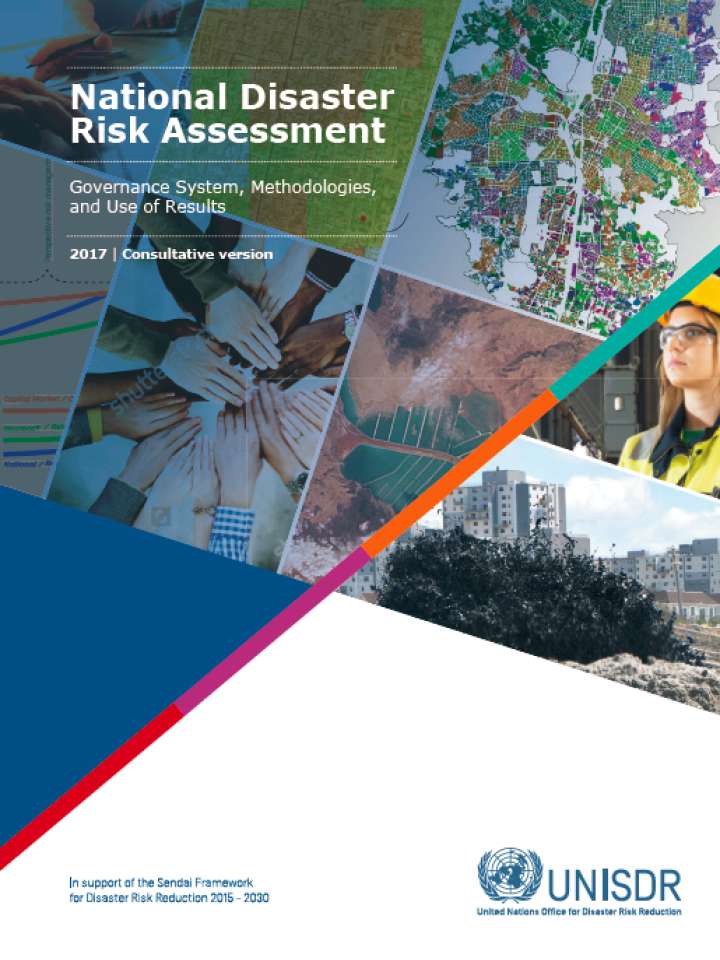
National Disaster Risk Assessment
Documents and publications

In 2016 UNDRR commissioned the development of guidelines on national disaster risk assessment (NDRA) as part of a series of thematic guidelines under its “Words into Action” initiative.

United Nations Office for Disaster Risk Reduction (UNDRR)
Documents and publications

This paper presents evidence from an arts-based community engagement initiative that promoted disaster resilience in a regional Victorian town. This approach allowed staff of the Country Fire Authority (CFA) to initiate conversations with local community

Australian Institute for Disaster Resilience (AIDR)
Case study
Location: Hungary
To reduce heatwave and wildfire impact, Tatabánya uses a proactive heat and UV alert system, along with improved fire brigade capabilities, and educational activities targeting vulnerable groups.
  • Climate-ADAPT
Update

Bridging the science of Meteorological Services with Pacific island communities to help them understand the technical aspects of weather related forecasts is just one of the many goals at the core of a project implemented across 14 Pacific islands.

Secretariat of the Pacific Regional Environment Programme
Update

The scenario of the Christmas Day fire that destroyed more than 100 homes along the Great Ocean Road was something authorities have warned about, and planned for, in the Otways every fire season in recent years, reports the Age. The Otways are just one of a number of regions fire authorities had been warning is a high-fire risk in their summer outlooks...

Age, the
Uploaded on