1. Home
  2. Hubs: tools and knowledge
  3. Wildfire Portal

Risk communication

Effective risk communication is essential for helping people understand wildfire threats, make informed decisions and take timely action before, during and after a fire.

Clear, trusted and accessible communication can support preparedness, strengthen early warning, address misinformation and ensure that messages reach diverse communities, including those most at risk. Explore the latest research, insights and resources on wildfire risk communication and the approaches needed to build trust, improve awareness and strengthen resilience.

Uploaded on
Documents and publications

The following report shows that even after controlling for bushfire risk perceptions, people who access and engage with information sources are better prepared for bushfires than those who do not. The report notes, however, that the majority of people are

Bushfire and Natural Hazards Cooperative Research Centre
Arthimedes/Shutterstock.com
Update

With last summer’s bushfires largely out of the headlines, has the psychological distance people might feel towards climate change increased?

University of New South Wales
Photos of U-Inspire national chapters in Nepal, India and Indonesia
Update

U-INSPIRE India, Nepal, and Indonesia have become the first national chapters of an alliance of youth and young professionals to register their work in UNDRR's Sendai Framework Voluntary Commitments online platform.

United Nations Office for Disaster Risk Reduction - Kobe Office
Update

Carbon Brief looks at how news sources are reporting on the fires in the Amazon and their underlying causes, as well as the impacts of the fires and the public reaction.

Carbon Brief
Update

During National Disaster Resilience Month, the Philippine DepEd is raising awareness on fire prevention and response, especially among children.

Manila Bulletin Publishing Corporation
Update

Given that Australia’s high rates of forest loss and weakened land clearing laws are increasing bushfire risk, more than 300 scientists and practitioners have signed a declaration calling for governments to restore, or better strengthen, regulations to protect native vegetation. Better regulations will also help farmers by reducing environmental risks.

Conversation Media Group, the
Update

Amid record temperatures, severe flooding and devastating wildfires, the Australian government has refused to acknowledge a possible connection between extreme weather and climate change. Even in Townsville, which was affected but depends on the coal industry, residents are skeptical, in part because climate communication remains difficult for practitioners.

Guardian, the (UK)
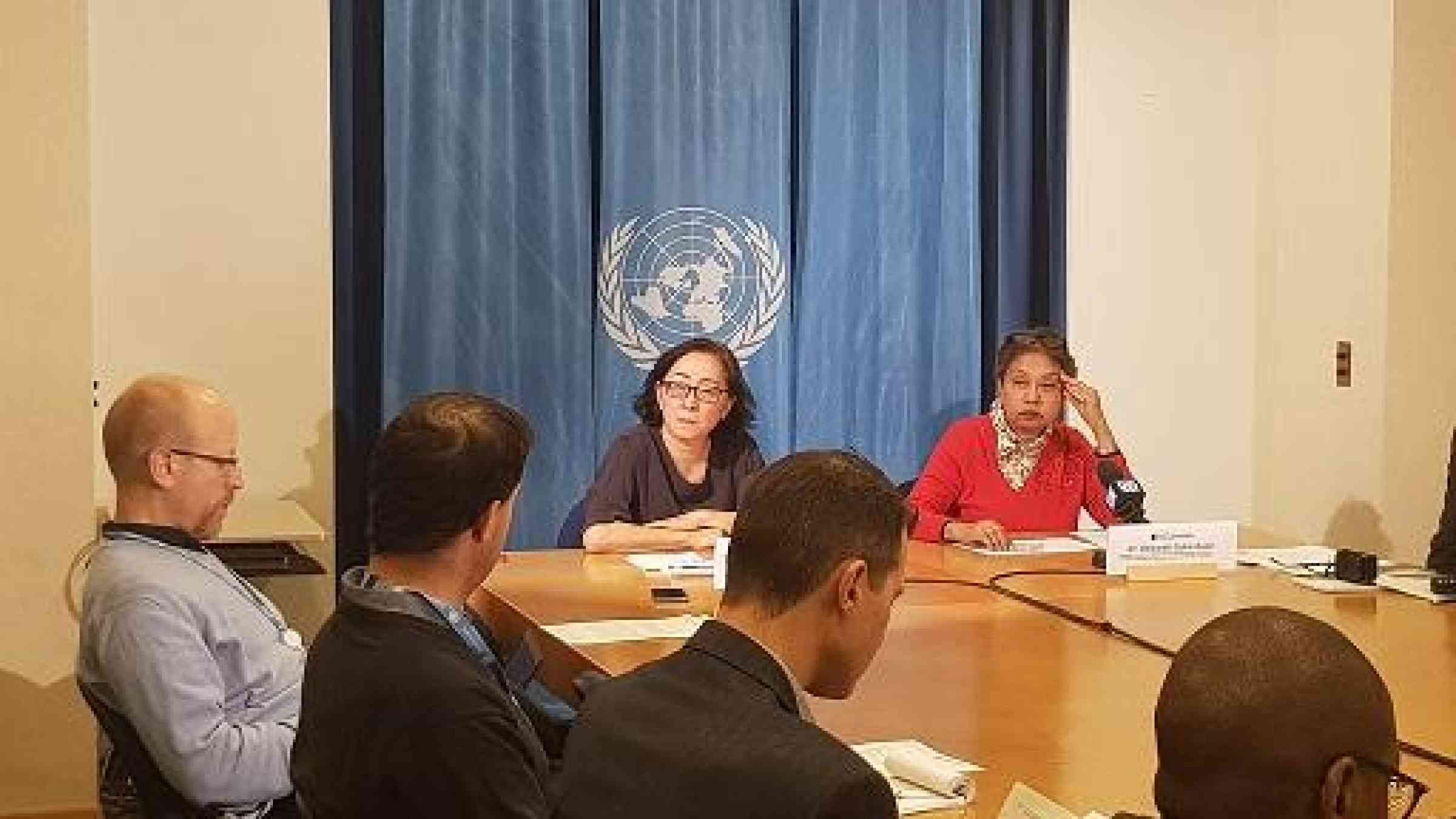
UNISDR's Mami Mizutori and Debarati Guha-Sapir of CRED summarise the impact of disasters in 2018
Press release

Earthquakes and tsunamis accounted for the majority of the 10,733 lives lost in disasters last year while extreme weather events accounted for most of 61.7 million people affected by natural hazards, according to analysis of 281 events recorded by the Centre for Research on the Epidemiology of Disasters (CRED) in its EM-DAT (International Disaster Database).

United Nations Office for Disaster Risk Reduction (UNDRR)
Uploaded on