1. Home
  2. Hubs: tools and knowledge
  3. Wildfire Portal

Public Health

Wildfires pose serious risks to public health, both during and long after a fire.

Beyond deaths and injuries caused directly by flames, wildfire smoke and air pollution can affect communities far from the affected area, increasing respiratory and cardiovascular risks and placing pressure on health systems. Explore the latest research, insights and resources on the health impacts of wildfires and the measures needed to reduce risk and protect vulnerable populations.

Uploaded on
A blazing wildfire starts to encroach on residential areas in Braga, Portugal
Research briefs
USA: Wildfire smoke health risks can linger long in surviving homes

When human-made materials burn, the chemicals released are different from what is emitted when just vegetation burns. The smoke and ash bring in chemicals that present health risks to people long after the fire.

Conversation Media Group, the
Research briefs
America: These are now the smokiest cities, new science says

An algorithm using satellite imagery and particulate matter levels reveals smoke level over the US over the last five years. More eastern state cities like Baltimore saw unhealthy smoke level, some affected by incoming smoke from Canadian forest fires.

AGU Advancing Earth and Space Science
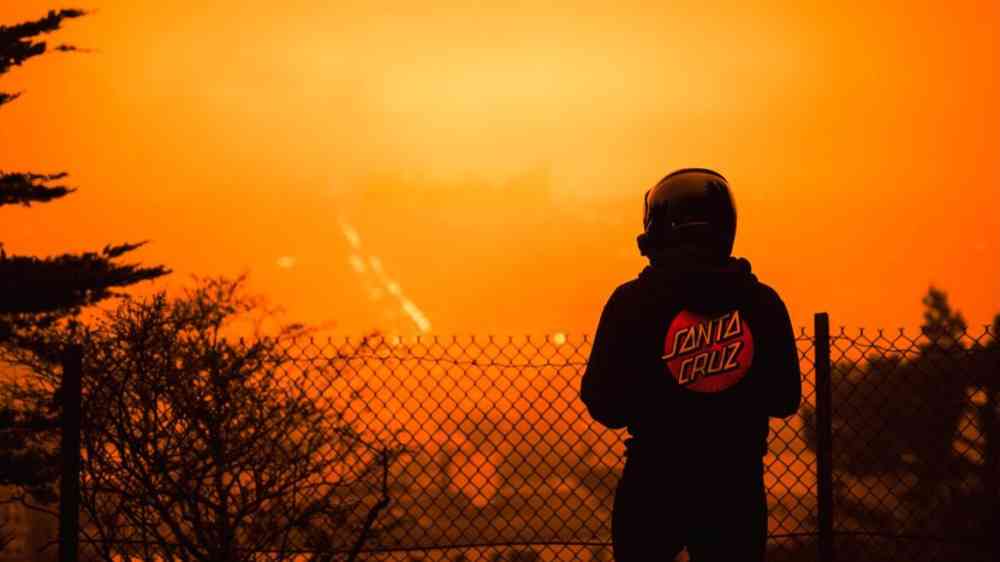
A man overlooks a wildfire visible from San Francisco under a hazy sky turned orange
Research briefs
More than 1.5 million die each year from wild/bush fire pollution

A study published in The Lancet reveals more than 1.5 million people died globally from illnesses caused by exposure to pollution from wild/bush fires with geographic and socio-economic differences playing a role.

Monash University
Firemen conducting regular fire and evacuation drills. Building employees, workers leaving office in alert
Update
A massive simulation exercise helps to prepare for extreme weather

WHO's JADE 2024 simulation tested European countries' preparedness for extreme weather like floods and wildfires, enhancing alert systems, cross-border collaboration, and resilience in line with climate challenges and the Budapest Declaration commitments.

World Health Organization (WHO)
Research briefs
Research links wildfire smoke exposure with increased dementia risk

An analysis of the health care records of 1.2 million Southern California residents found that higher long-term smoke exposure was associated with a significant increase in the odds that a person would be diagnosed with dementia.

University of Washington
Research briefs
Unhoused people are highly vulnerable to wildfire smoke

People experiencing homelessness are significantly more susceptible to the health impacts of wildfire smoke compared to those with homes, according to a new study from researchers at UC San Diego's Scripps Institution of Oceanography.

Scripps Institution of Oceanography
Cover
Documents and publications

This study examines Indonesia’s peatland fires during El Niño, which severely impact air quality and health. Using 2019 sensor data in Palangka Raya, it evaluates model performance, showing substantial health risks and a need for improved fire mitigation.

Communications Earth & Environment (Nature)
Research briefs
Increasing effects of global warming on fire dynamics, public health

Climate change is increasingly influencing fire behavior worldwide and intensifying fire smoke, endangering public health from air pollution caused by fires. These are the results of two new climate change impact attribution studies.

Potsdam Institute for Climate Impact Research
Uploaded on