1. Home
  2. Hubs: tools and knowledge
  3. Wildfire Portal

Critical infrastructure

Wildfires can cause widespread damage to critical infrastructure, disrupting the essential services communities rely on.

Fires and extreme heat can affect energy, transport, water and communication systems, while cascading failures can extend impacts far beyond burned areas and slow recovery. Explore the latest research, insights and resources on how wildfires affect infrastructure and the measures needed to strengthen resilience and reduce disruption.
Uploaded on
Cover
Policies and plans
Policy type
National policies and plans

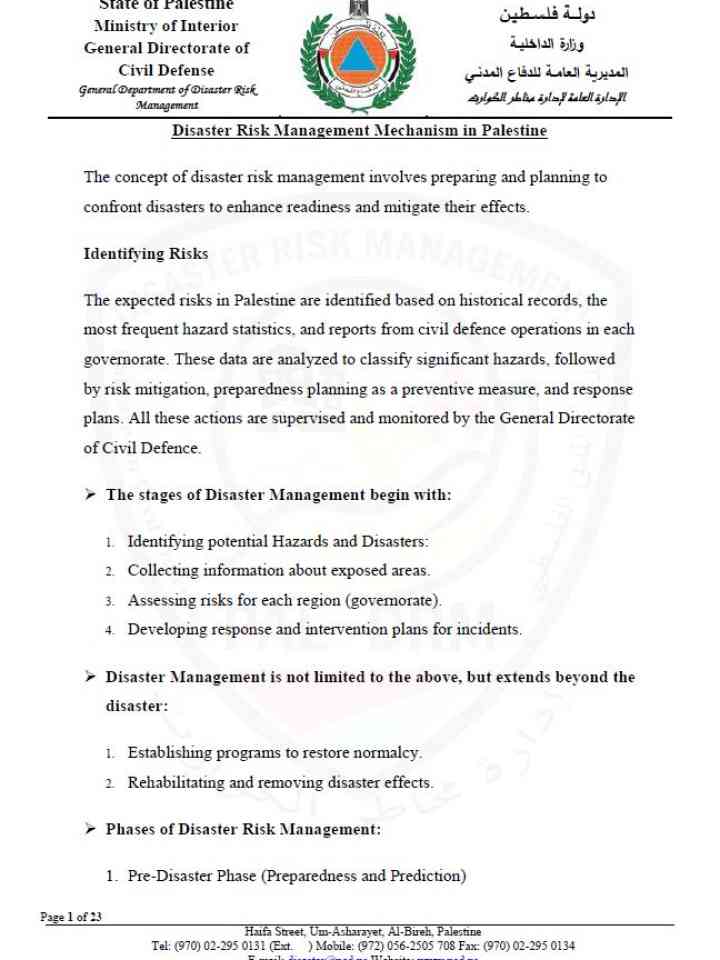
This document explains the disaster disk management mechanism in Palestine.

State of Palestine - government
Update

The growing risk of wildfires associated with electrical infrastructure has become a major national concern. Power lines are consistently identified as significant contributors to wildfire incidents.

Oregon State University
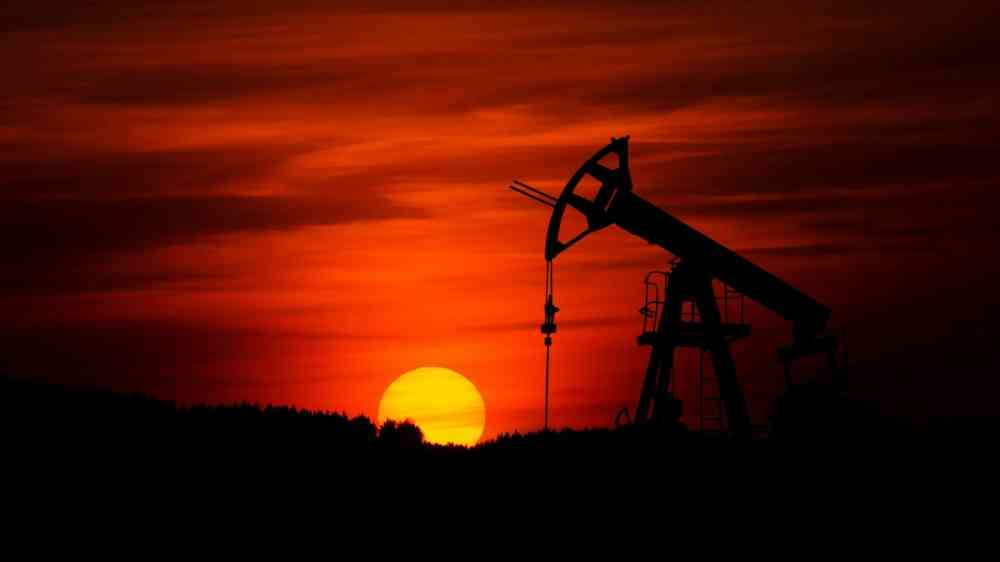
Pump-jack mining crude oil with the sunset
Research briefs

More than 100,000 oil and gas wells across the western U.S. are in areas burned by wildfires in recent decades, and some 3 million people live next to wells that in the future could be in the path of fires worsened by climate change.

University of California, Berkeley
Update

The power outage that hit Victoria could have been much worse. It speaks to the urgent need to harden power grids against the more frequent extreme weather expected under climate change.

Conversation Media Group, the
Silhouette electricity pylons during sunset
Update

Deciding to shut off power isn’t as simple is as it might sound. The executive director of the Strategic Energy Institute at Georgia Tech, talks about the risks and trade-offs utilities have to weigh in deciding how to respond during fire-risk conditions.

Conversation Media Group, the
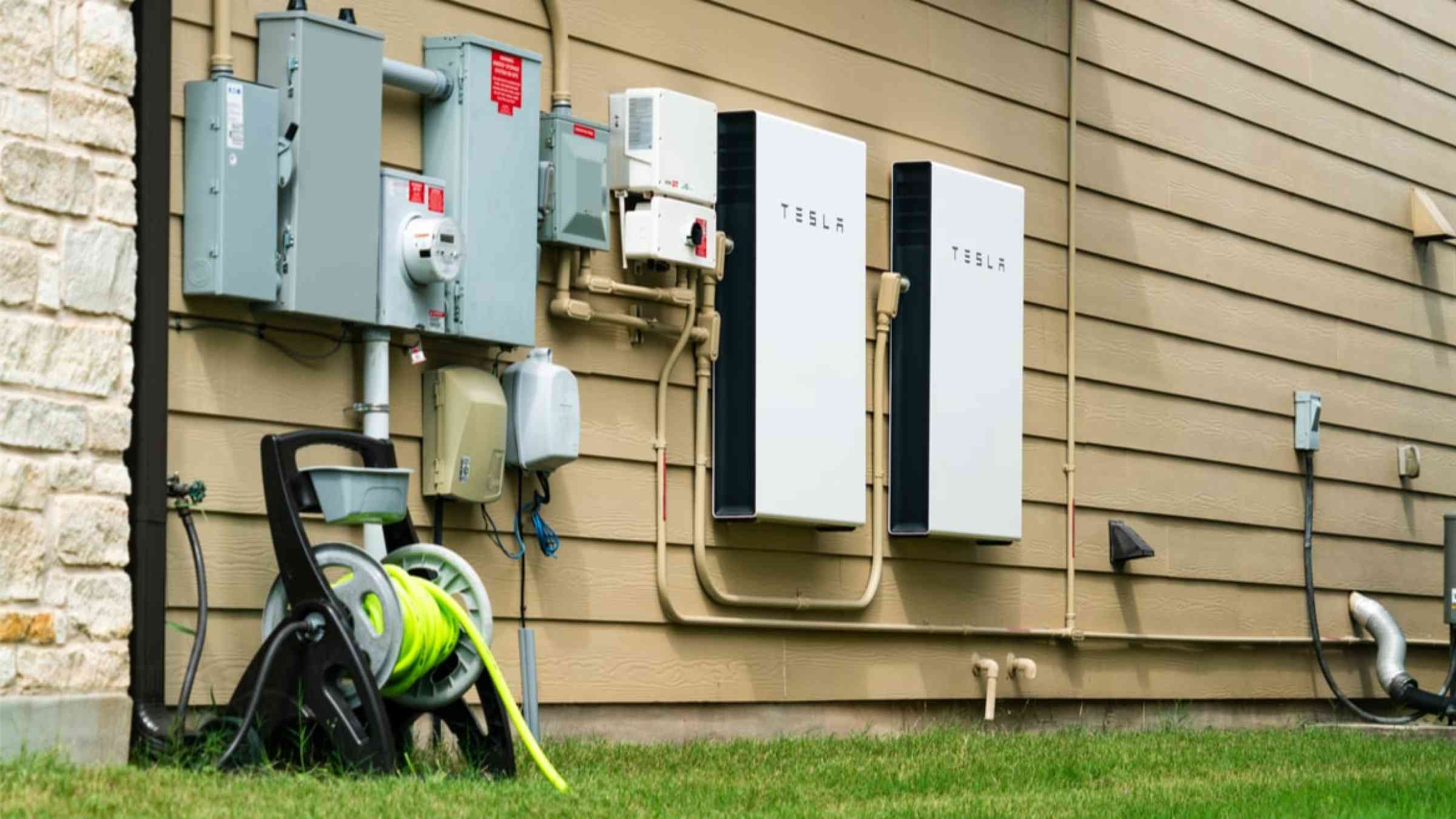
Micro Grid Power Plant in Austin, Texas (USA)
Update

Vulnerable power grids increase the risk of wildfires. Deteriorating components and poorly maintained, aged infrastructure can spark wildfires, as was the case in the Camp fire in California in 2018.

Columbia University’s School of International and Public Affairs
Update

Hawaiian Electric did not deploy a public power shutoff plan—an aggressive safety strategy used in other states, such as California, Oregon and Nevada—to proactively shut down power to communities with high wind conditions and increased risks of fire.

Time Magazine Inc.
Update

Damage from the fires included a combination of thermal degradation (i.e., melting, burning, and pyrolysis) of plastic pipes and/or entry of ash, soot, and other debris into the piping and ancillary equipment during the fire event.

Homeland Security Today, KMD Media LLC
Uploaded on