1. Home
  2. Hubs: tools and knowledge
  3. Extreme Heat Portal
Cover
Documents and publications

The report reveals how U.S. corporate utilities fuel climate chaos and inequality through fossil fuel expansion, shutoffs during extreme heat, and opposition to renewables, worsening risks like heatwaves and wildfires across multiple states.

Center for Biological Diversity
Update

Electric utilities across the United States are shutting off power to a growing number of households, according to a recent report that also found most shutoffs happened during last year’s record-hot summer.

Grist Magazine
Update

A heatwave in the Gaza Strip with temperatures reaching 38°C has worsened power outages and sparked calls for protests from residents who lack electricity for cooling.

The Energy Mix
Silhouette electricity pylons during sunset
Update

Higher than normal temps could strain grids that are not used to unprecedented heat waves.

Eos - AGU
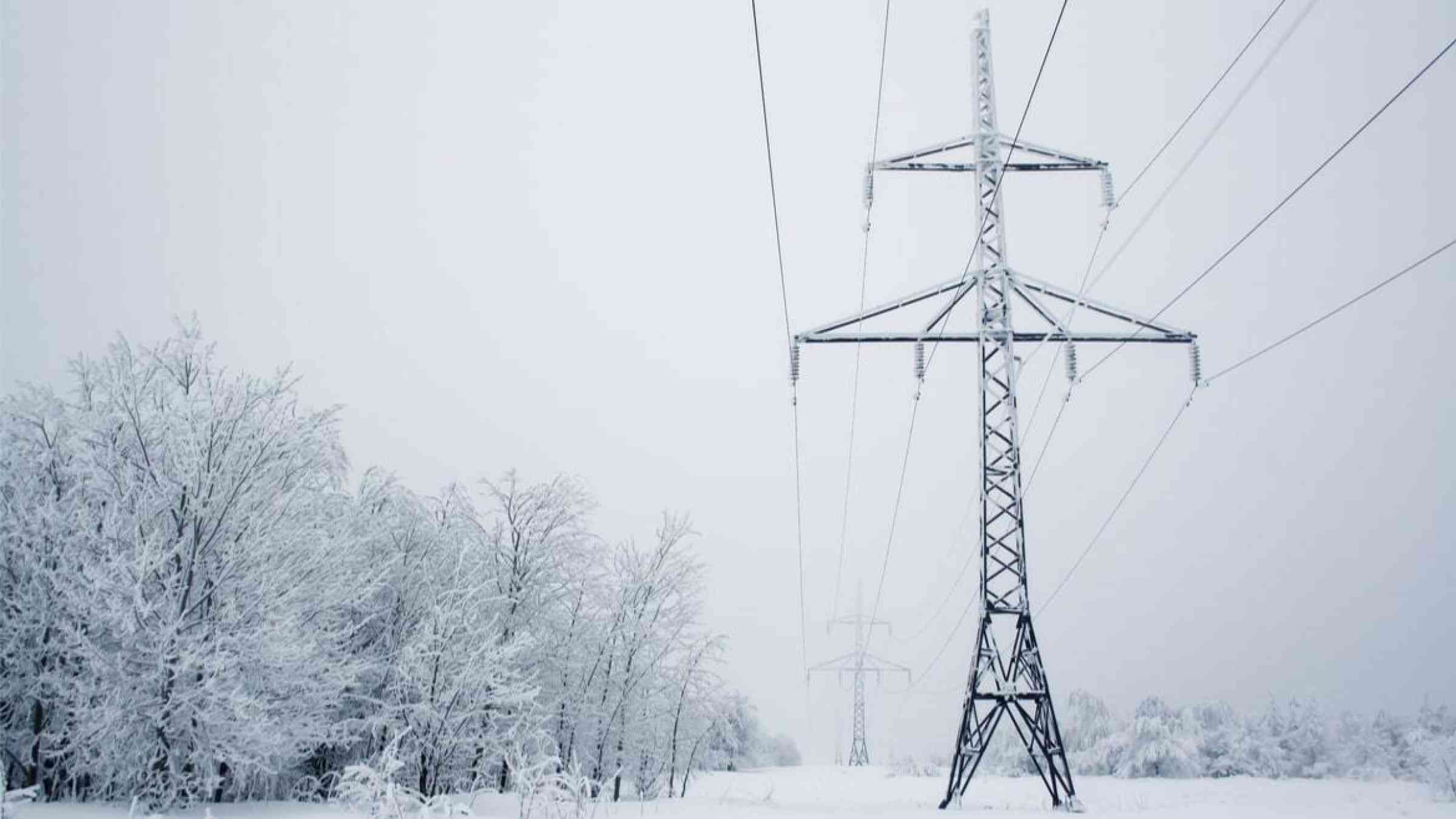
Power lines frozen under moderate snow
Update

Information about past outlier conditions could provide valuable context to help operators better manage the grid during extreme weather.

Texas A&M University System
Update

AC use during heat waves can increase electricity consumption drastically, raising questions about long-term planning and sustainability for U.S. grid operators.

Union of Concerned Scientists
Update

Research shows that Australians are without power for 3.5 times longer on days over 35°C. Politicians, buffered by upset consumers, often blame outages on a lack of electricity generation capacity, but local network problems are usually the culprit.

Conversation Media Group, the
Documents and publications

This case study investigates the actual and potential market for climate services in the electricity subsector of the critical energy infrastructure sector in Germany. Critical energy infrastructures in general, and electricity infrastructures in

MArket Research for a Climate Services Observatory
Research briefs

According to the research by sustainability scientists Matthew Bartos and Mikhail Chester of Arizona State University, higher temperatures and increased intensity of droughts could compromise the electricity grid.

Arizona State University
Documents and publications

This case study presents a high level review of the vulnerabilities in the electrical grid and the steps that could be taken to mitigate risk. It investigates the impacts of four types of natural hazards (drought, heat wave, wind and flood) on the

Siemens
Uploaded on