1. Home
  2. Hubs: tools and knowledge
  3. Extreme Heat Portal

Heat and education

Uploaded on
Cover and source: United Nations Children's Fund
Documents and publications

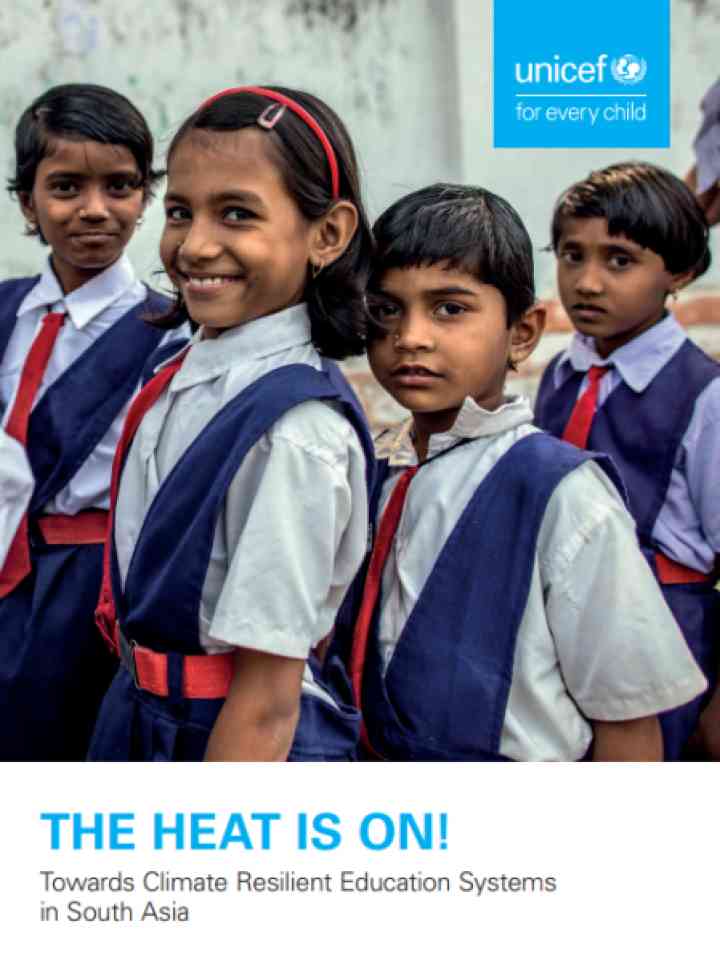
This regional report offers key recommendations and a self-assessment tool to make the education systems in South Asia, and globally, more resilient in the face of increasing climate change risks.

United Nations Children's Fund (UNICEF)
A football player takes a water break in between matches
Update
How to keep teen athletes safe from heat illness

High school sports practices are starting amid a brutally hot summer in much of the country. As temperatures rise, heat illnesses are becoming an increasing risk for athletes, particularly in the first few weeks of practice.

Conversation Media Group, the
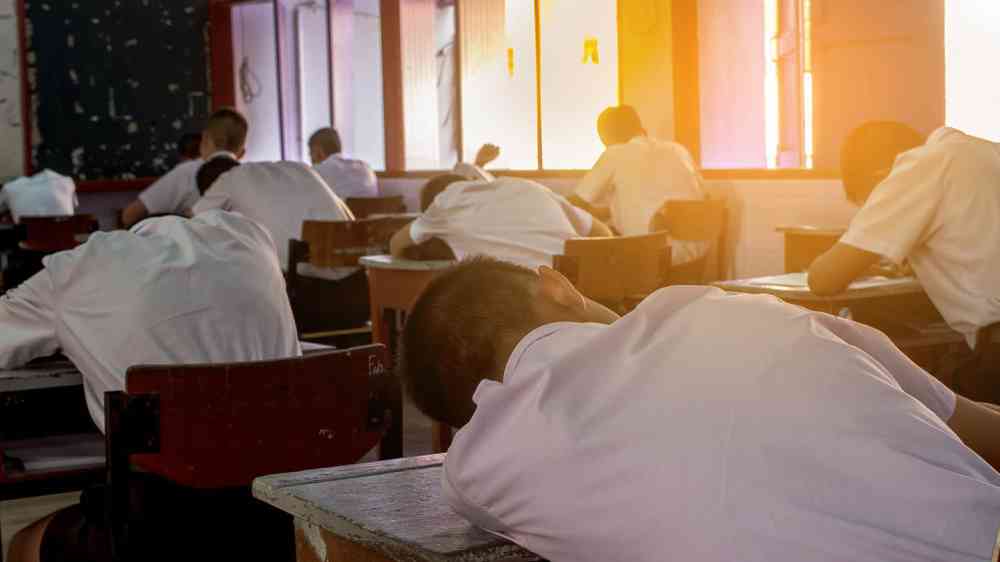
Tired, hot students fall asleep
Update
US: Escalating heat waves increasingly impact learning for students

As heat waves become more common and more intense, more than 13,700 schools will need to install air conditioning, and another 13,500 will need to upgrade their existing systems by 2025.

Conversation Media Group, the
Update
USA: Climate change is sabotaging education for America’s students

This summer has brought not only a resurgence of the coronavirus but also some of the starkest evidence yet of the devastating toll that climate change will take on the planet – and on the lives and learning of children.

The Hechinger Report
Getty
Research briefs
US: Lack of heat policies can put athletes at risk

Study shows which states need better guidelines to protect student-athletes from heat

University of Georgia
Documents and publications

The majority of the UK public supports urgent action on climate change, and Further and Higher Education (FHE) organisations not only lead research on this vital issue, but are driving solutions – not least in reducing greenhouse gas emissions – and

EAUC
Higher Education Business Continuity Network
Research briefs
Climate change can undermine children's education and the development in the tropics

A new UMD-led study finds that in tropical regions of the globe, exposure to extremes of heat and precipitation during prenatal and early childhood years could make it harder for children to attain secondary school education, even when they live in better-off households.

University of Maryland
Update
Paris: Creating green space to reduce heat and build social cohesion

A new project in Paris seeks to reduce heat in schoolyards by implementing greener materials, management techniques, and structures. The project also reinforces social cohesion by involving local communities in the design process with the goal of opening these spaces to the wider public.

100 Resilient Cities
Uploaded on