1. Home
  2. Hubs: tools and knowledge
  3. Extreme Heat Portal

Heat and agriculture

Faced with extreme heat, farmers are turning to the forest for solutions.
Uploaded on
Research briefs
Spring irrigation can reduce summer heat wave events

New research has investigated the dampening effect irrigating land in spring can have on the intensity of summer heat waves by retaining higher soil moisture levels between seasons, known as soil moisture memory.

PhysOrg, Omicron Technology Ltd
Women working in an agricultural field in the outskirts of Samarkand, Uzbekistan
Update
Heatwaves and floods affect rural women and men differently

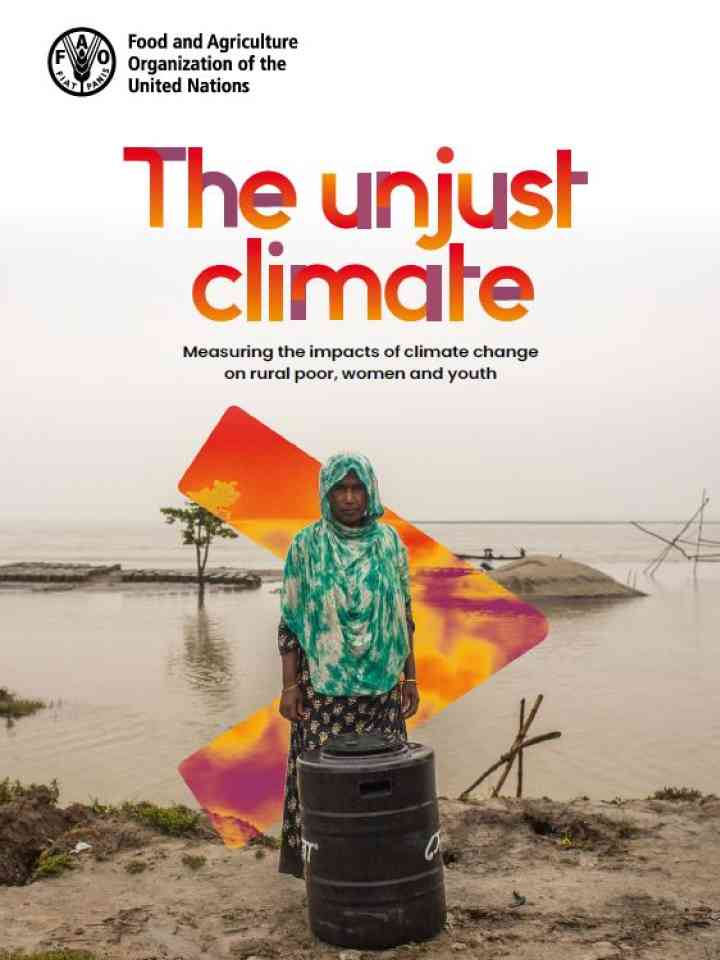
New study shows how the effects of climate change on income and adaptation in rural areas vary with gender, wealth and age.

Food and Agriculture Organization of the United Nations (FAO)
Cover
Documents and publications

This report assembles an impressive set of data from 24 low- and middle-income countries in five world regions to measure the effects of climate change on rural women, youths and people living in poverty.

Food and Agriculture Organization of the United Nations (FAO)
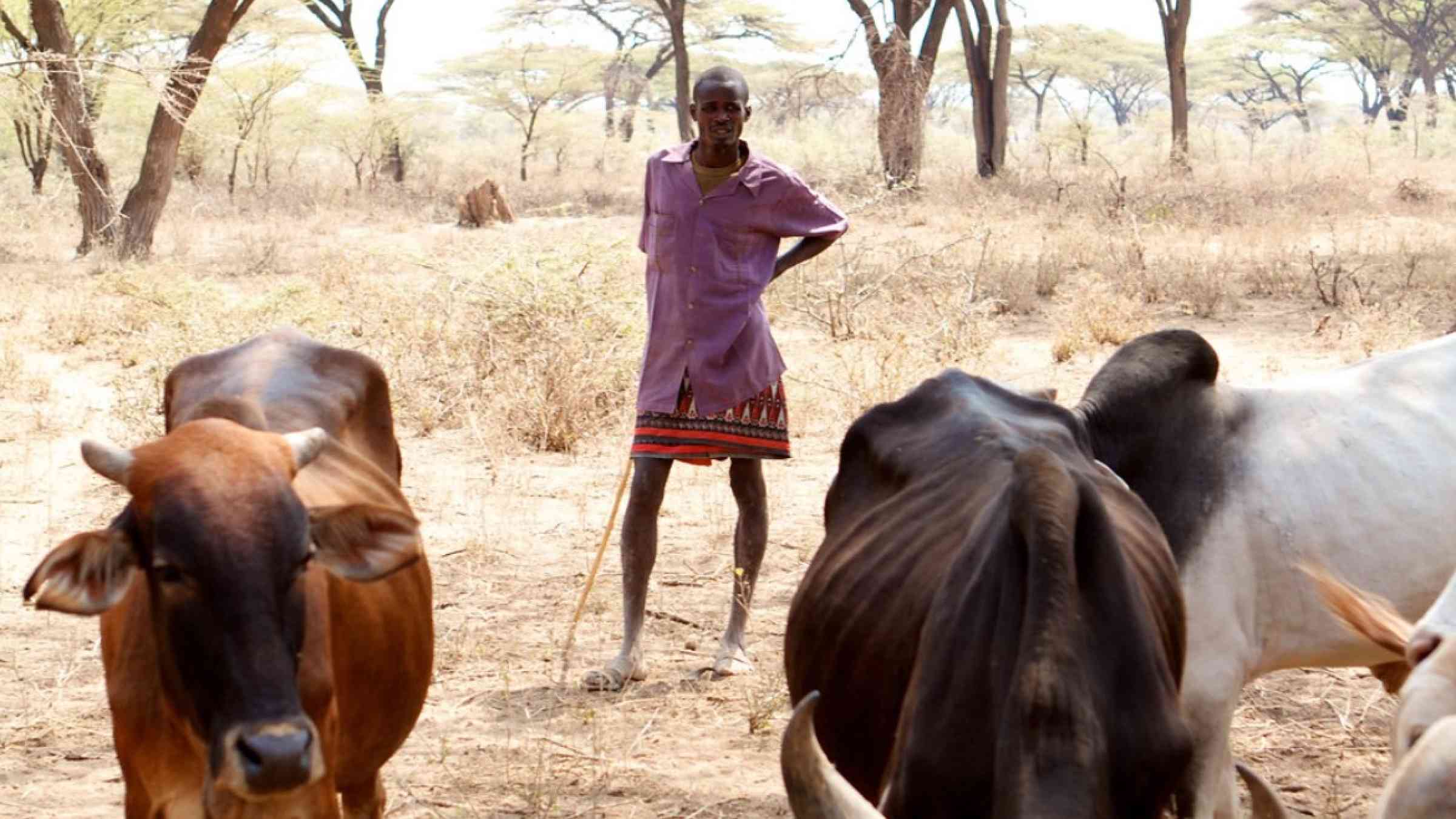
A pastoralist awaits the sale of his drought affected cattle at an NGO supported destocking market near Isiolo, Eastern Province, Kenya
Research briefs
Global food production at risk

The future of global food production is under threat as temperature rises will impact farmers’ physical capacity to work, a new study has revealed.

Loughborough University
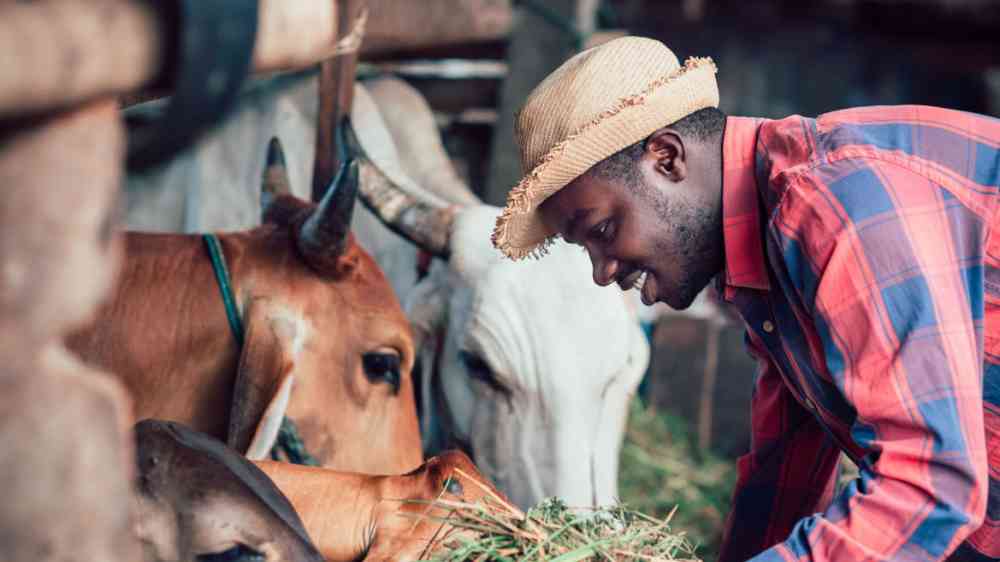
African farmer feeding his cows.
Update
Australia: Hot weather forces farmers to find ways to keep cattle cool

With a heatwave building across large parts of the country, farmers are deploying innovative measures to protect their livestock against the dangers of hot weather.

Australian Broadcasting Corporation
Update
Spain: Warmer Mediterranean threatens mussel farms

Rising sea temperatures are killing mussels in Spain's Ebro delta and shellfish output is also suffering from Greece to Canada.

Context
Update
If Africa’s farmers fail to adapt to a hotter world, we all fail

Securing a safer planet for all means adopting nature-friendly ways to produce and consume food, and use land.

Context
Cover
Documents and publications

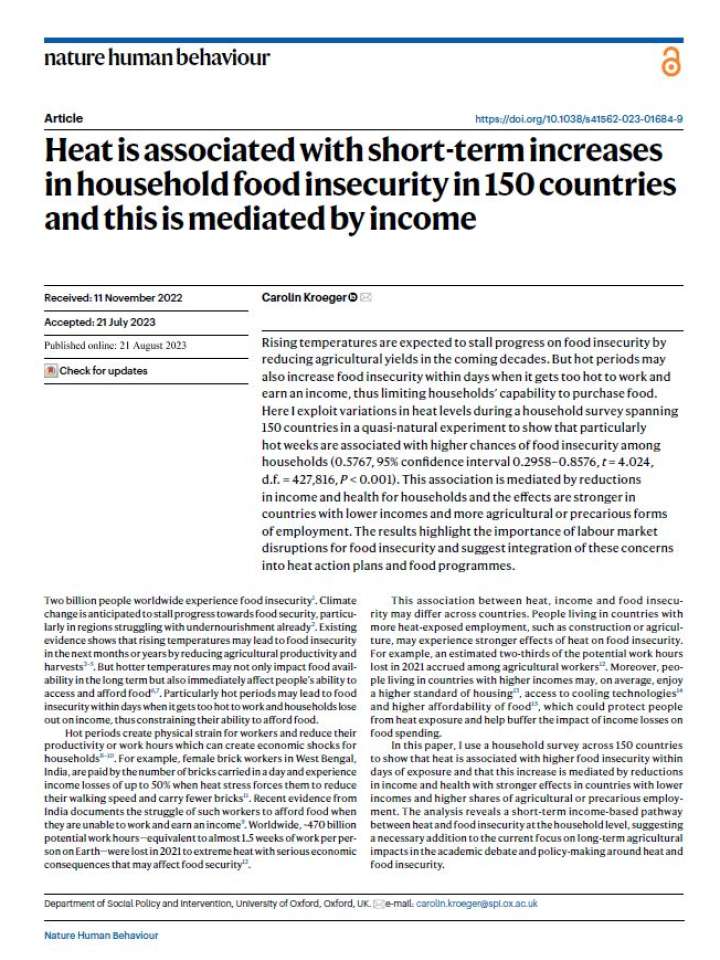
This study exploits variations in heat levels during a household survey spanning 150 countries in a quasi-natural experiment to show that particularly hot weeks are associated with higher chances of food insecurity among households

Nature Human Behaviour
Uploaded on