1. Home
  2. Hubs: tools and knowledge
  3. Extreme Heat Portal

Heat and agriculture

Faced with extreme heat, farmers are turning to the forest for solutions.
Uploaded on
A floating farm in Bangladesh to protect against floods
Update

In the absence of adequate mitigation, focusing on adaptation is now more urgent than ever for Bangladesh. As the country now faces some of the worst impacts of climate change, adaptation should be a central theme in its development agenda.

VoxDev/ CEPR
Yellow, dry maize field in the sun.
Research briefs

A new study warns of a dramatic rise in heatwave exposure across Central Asia's croplands by the end of the 21st century, viewing the combined effects of climate change and shifting patterns of land use as dominant drivers.

Chinese Academy of Sciences
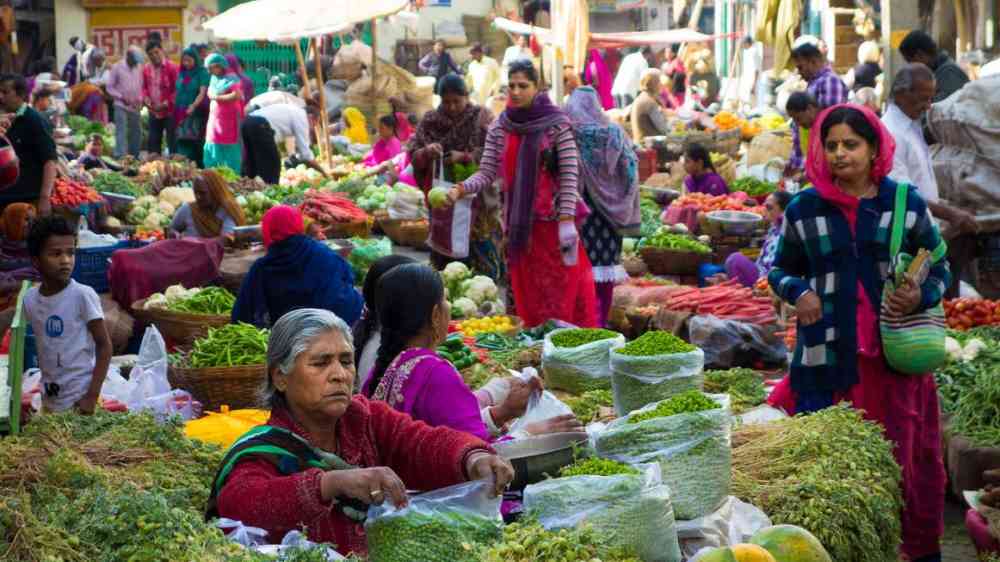
Vegetable market, India
Update

For women farmers in rural India, the effects of climate change are compounded by limited access to finance, smaller plots and fewer land rights. Parametric insurance products can offer better protection.

World Economic Forum (WEF)
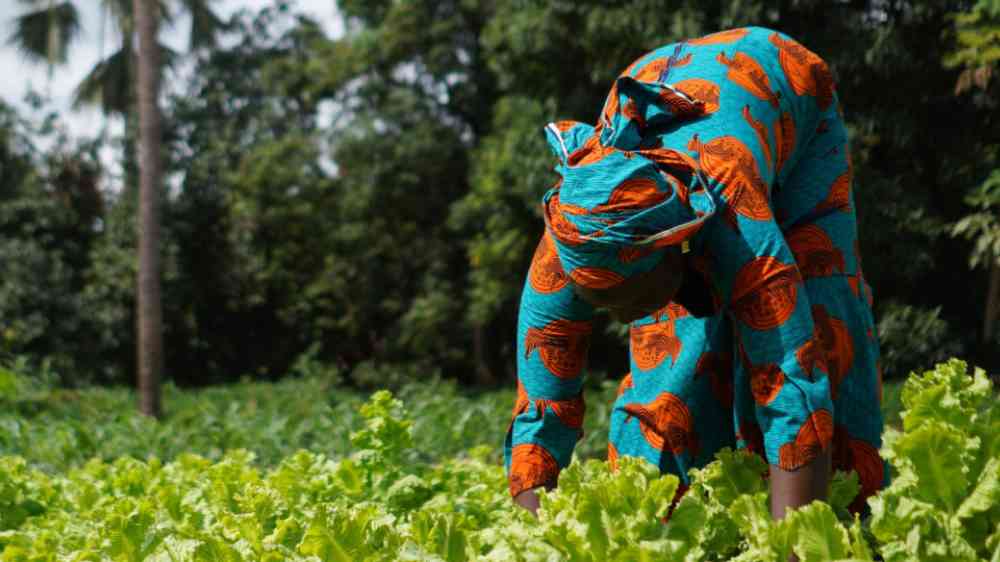
Two African women working at a salad plantation
Research briefs

More than half of global cropland areas could see a decline in the number of suitable crops under a warming scenario of 2C, new research finds.

Carbon Brief
Yellow, dry maize field in the sun.
Update

Carbon Brief has analysed global media coverage over the past two years to identify reporting on extreme weather events damaging crops.

Carbon Brief
Research briefs

A new technique targeted the inconvenient heat-triggered process in most plants called photorespiration. Making this process genetically efficient could help crops adapt to climate change.

Scientific American, a Division of Nature America, Inc.
Cover
Documents and publications

This report examines how developing and least developed countries are highly vulnerable to extreme heat due to their higher population densities, limited resources, and lower socio-economic capabilities.

Adaptation Research Alliance
Map and graph showing impact of climate on crop production
Research briefs

Global temperatures could rise 2.9°C by century's end, threatening agriculture. To meet population demands, food production must increase by 70%, even as climate change reduces land suitable for crops and livestock

American Geophysical Union
Uploaded on