1. Home
  2. Hubs: tools and knowledge
  3. Extreme Heat Portal

Heat-induced losses

Explore different approaches to measure heat-related losses.
Every year, the equivalent of 300+ million full-time jobs are lost — not to layoffs, but because work has simply become too hot to do.
Uploaded on
Update

Heat-related deaths look less dramatic than other climate disasters, yet they are far more frequent. This article looks into why Europe’s deadliest climate hazard remains its least visible one.

The European Correspondent
Update

HERA’s first-of-its-kind tool and analysis estimates how extreme heat affects economic output and mortality in cities around the world. It shows the likely impact on workers today and how those impacts could grow by 2050.

HERA (Climate Resilience for All)
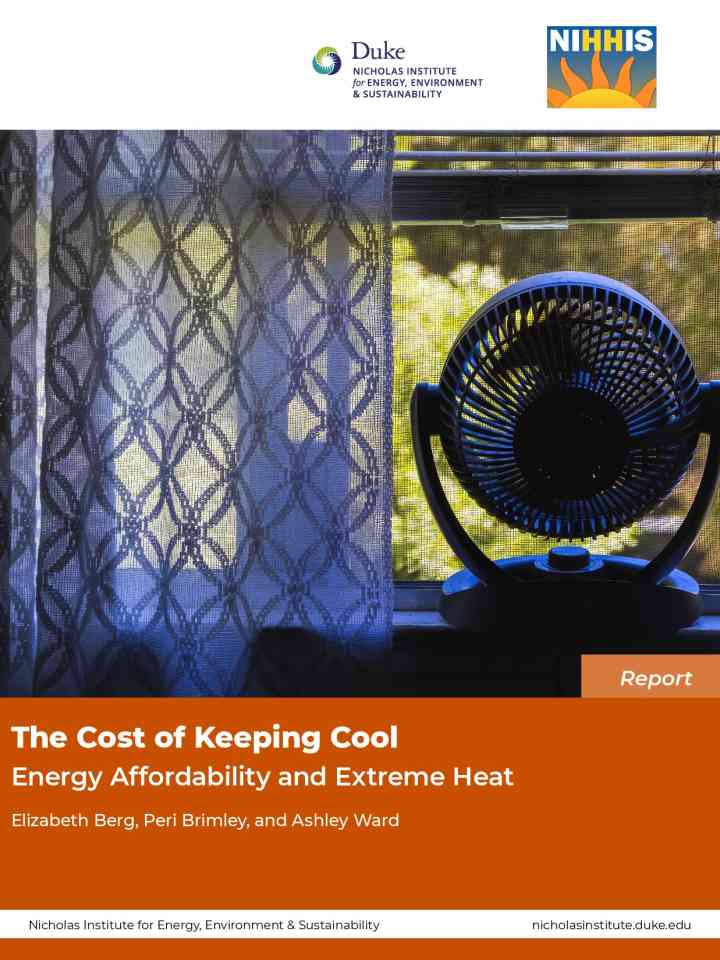
The cost of keeping cool: energy affordability and extreme heat thumbnail
Documents and publications

This report outlines the geography and scale of household energy burden across the United States of America, with particular attention to the impacts of extreme heat and cooling costs.

Duke University
Aerial photo showing extensive hurricane damage in a residential area.
Update

In the first 6 months of the year, disasters caused worldwide losses estimated at US$112bn. Of that, only US$44bn were insured, representing a 60% insurance gap. Losses were below the inflation-adjusted 10-year average and well below the 5-year average.

Münchener Rückversicherungs-Gesellschaft (Munich Re)
Update

Figures come as large parts of southern Europe endure another record-breaking period of extreme temperatures.

Guardian, the (UK)
Update

The continent with the lowest number of hot days leads the world in heat mortality. Europe’s self-inflicted aversion to air conditioning betrays a deeper hostility to energy and to progress itself.

Quillette
Labourers sit under tagaris (a pan to carry loads like soil) to protect themselves against the scorching sun, as they work at a site in Beawar.
Update

A landmark global economic analysis, paired with a state-of-the-art heat solution cost-benefit calculator covering 11,408 cities worldwide, shows that investing in heat action saves billions in losses.

HERA (Climate Resilience for All)
Nationwide analysis of cases of emergency transport due to heatstroke in Japan from 2010 to 2024 thumbnail
Documents and publications

This study analyzed national trends in heatstroke-related emergency transports from 2010 to 2024 using Fire and Disaster Management Agency surveillance data in Japan focusing on age distribution, case severity, place of occurrence, and regional variation.

Nature Scientific Reports
Uploaded on