Aller au contenu principal
UNDRR Logo
My account
Navigation loading…
Your experience on PreventionWeb

Please help us improve PreventionWeb by taking this brief survey. Your input will allow us to better serve the needs of the DRR community.

See the survey

Last updated 14 Sep 2026

Urban Heat Islands effect

Upload your content
Image
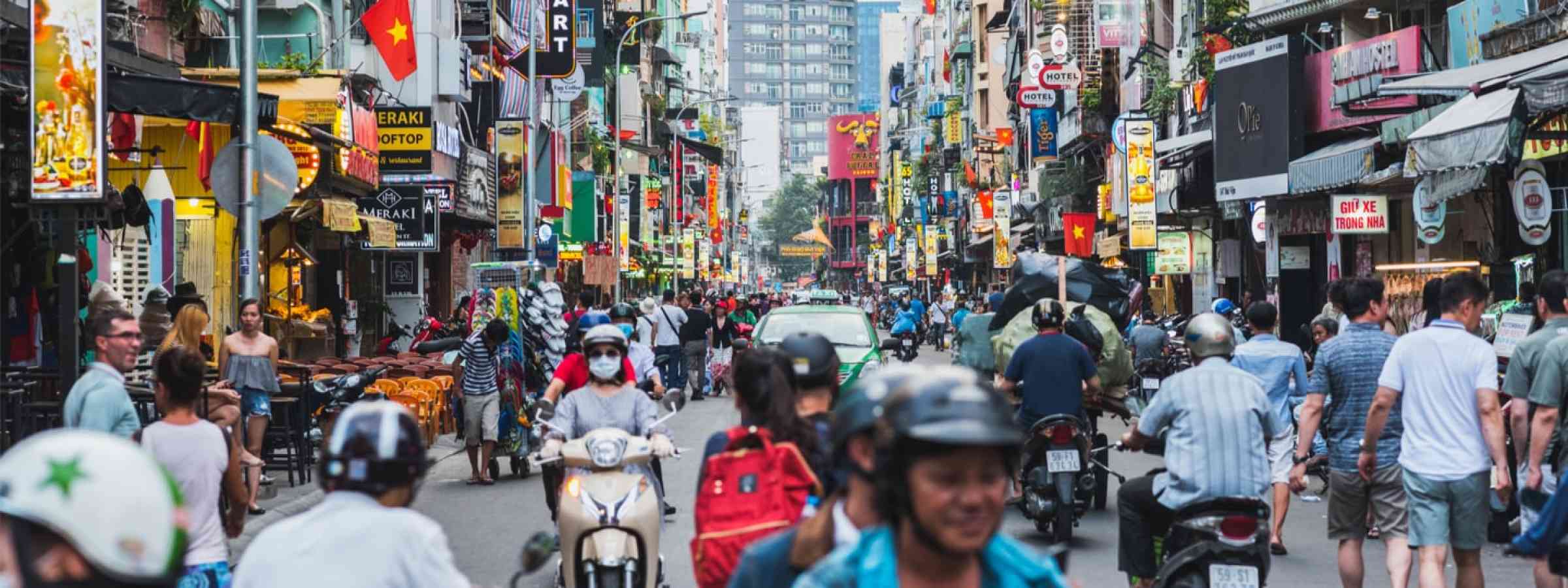
Urban heat
Shutterstock

Introduction

Urban areas are particularly vulnerable to heat due to higher temperatures during the summer, as buildings, roads, and other infrastructures absorb solar energy. A particular phenomenon is responsible for this: the urban heat island effect.

Urban heat islands occur when human activity and construction create higher temperatures in urban areas than the surrounding landscape. Global warming heralds more heat waves, exacerbated by heat islands and posing severe health risks to residents.

Find out how the urban heat island effect works.

Themes
Urban risk and planning

Knowledge base

Update
17 août 2021
France: comment l'îlot de chaleur urbain transforme nos métropoles

A l'aide des données inédites fournies par des chercheurs du CNRS et de Météo France, franceinfo passe au crible les degrés d'exposition à l'îlot de chaleur urbain de 42 zones urbaines françaises.

France Info

Is this page useful?

Yes No
Report an issue on this page

Thank you. If you have 2 minutes, we would benefit from additional feedback (link opens in a new window).

PreventionWeb is the global knowledge sharing platform for disaster risk reduction (DRR) and resilience.

  • Newsletter
  • Submit your content
  • Blog pitches
  • Submission and publishing policy
  • About PreventionWeb
  • Contact us

Hazards

  • Avalanche
  • Cold Wave
  • Cyclone, Hurricane and Typhoon
  • Drought and Desertification
  • Earthquake
  • Epidemic and pandemic
  • Flood
  • Heatwave, extreme heat and heat stress
  • Insect infestation
  • Land subsidence
  • Landslide
  • Nuclear, biological, chemical (NBC)
  • Sea level rise
  • Technological hazard
  • Thunderstorm
  • Tornado
  • Tsunami
  • Volcano
  • Wildfire

Regions

  • Africa
  • Americas
  • Asia
  • Europe
  • Oceania

Themes

Understanding & managing risk

  • Preparedness
  • Early warning
  • GIS and mapping
  • Data and information management
  • Risk identification and assessment
  • Small Island Developing States
  • Earth Observation

Natural environment

  • Climate change
  • Environment and ecosystems
  • Food security and agriculture
  • Water

Cross-cutting

  • Systemic risk
  • Recovery

Human development

  • Capacity development
  • Children and youth
  • Civil society / NGOs
  • Community-based DRR
  • Cultural heritage
  • Gender
  • Human mobility
  • Inclusion
  • Social impacts and resilience

Science, knowledge & advocacy

  • Disaster risk communication
  • Traditional and Indigenous knowledges
  • Science-policy-practice interface

State, governance & economy

  • Financing DRR
  • Fragility and conflict
  • Governance
  • Insurance and risk transfer
  • Private sector

Infrastructure & critical services

  • Critical infrastructure
  • Education and school safety
  • Health and health facilities
  • Structural safety
  • Urban risk and planning
Loading