Research briefs

Keep up to date with the latest research on disaster risk and resilience on the PreventionWeb knowledge base.

Explore cutting-edge research on disaster risk reduction and resilience through PreventionWeb's dedicated research briefs section. Our platform curates and highlights the most recent academic studies, providing valuable insights into disaster risk management. Each research brief distills key findings from peer-reviewed journals and academic publications.

Submit a research brief.

These briefs are designed to keep you informed about the latest scientific advances. Links to the full publications are always included, ensuring easy access to in-depth knowledge. Please note that this section exclusively features academic research, distinct from reports by international organizations or Non-Governmental Organisations.

Uploaded on
A sunrise casts its light over the Pacific Palisades neighborhood of West Los Angeles, in the aftermath of the 2025 wildfires.
Research briefs

In a new study published in the journal Atmospheric Environment, it is shown that large wildfires produce large amounts of ozone into the atmosphere. This not only impacts our lungs and other health concerns but contributes to the warming of the planet.

University of Colorado
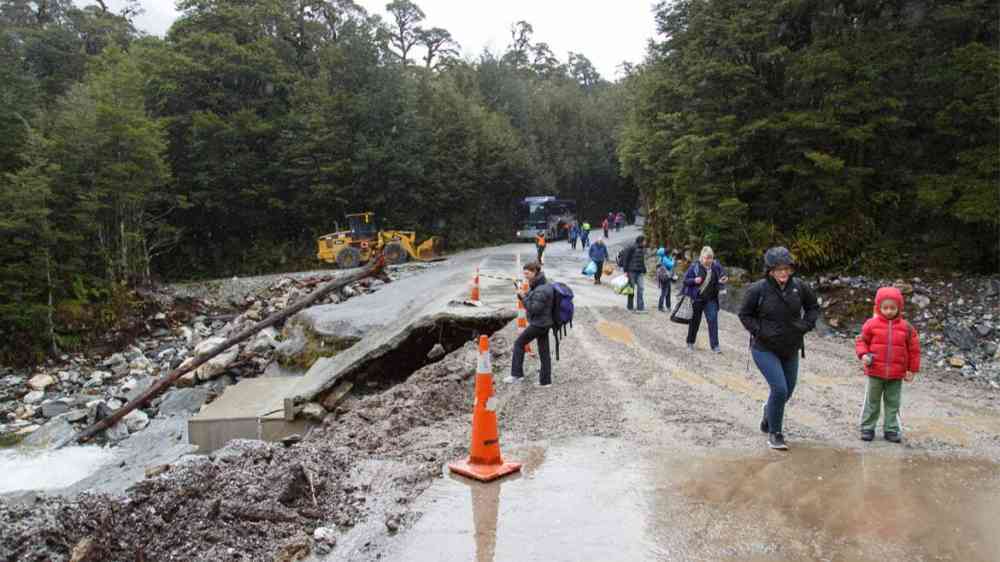
Tourists traverse the side of a road eroded by floods in Doubtful Sound, New Zealand
Research briefs

UC PhD research reveals how earthquakes alter rivers and flood protection, helping communities prepare for future disasters.

University of Canterbury
Wildfire smoke billowing near residential neighborhood in LA
Research briefs

You may live many miles away from a wildfire, but it could still kill you. That's because all that smoke wafting in from afar poses a mortal risk.

Grist Magazine
Remaining puddle in a dried lake
Research briefs

A new study reconstructs roughly 800 years of streamflow history in India’s major rivers, showing an increase in synchronous drought linked to anthropogenic climate change.

Eos - AGU
Research briefs

A 40-year satellite study reveals that while disturbances from logging and construction are declining, events like mega-fires and extreme storms are becoming more common.

University of Connecticut
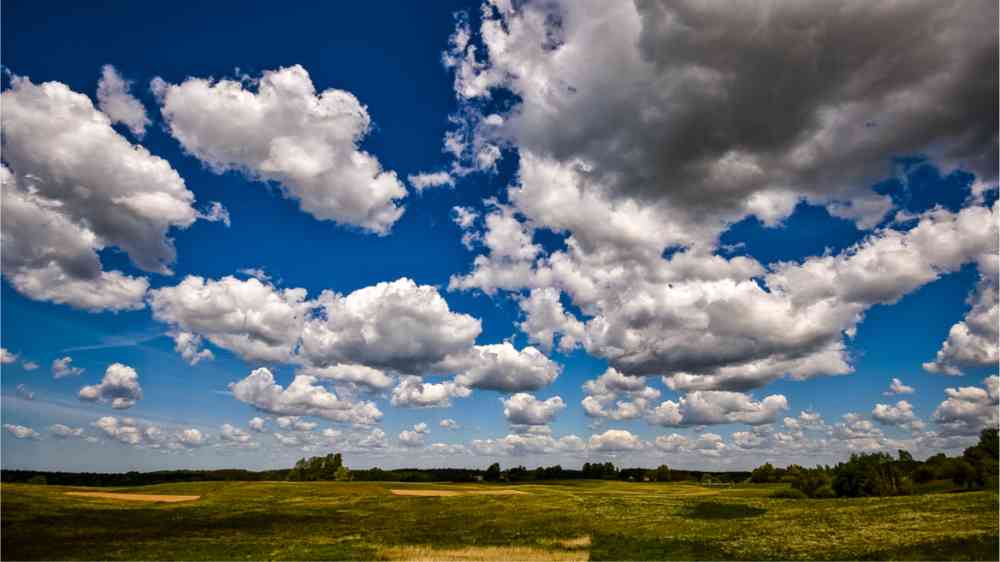
Clouds above a corn field in the summer.
Research briefs

UCSB scientists find cloud seeding could disrupt El Niño, underscoring the need for caution in climate interventions.

University of California, Santa Barbara
Flooded streets following a hurricane in Florida, USA
Research briefs

The predictive model is capable of crunching real-time data to address dangerous situations, according to research.

Florida International University
Research briefs

A new data brief from the UCLA LPPI shows how segregation and decades of disinvestment have left Latino-majority communities disproportionately exposed to climate risks and harmful health outcomes compared to non-Latino white neighborhoods.

University of California, Los Angeles