Research briefs

Keep up to date with the latest research on disaster risk and resilience on the PreventionWeb knowledge base.

Explore cutting-edge research on disaster risk reduction and resilience through PreventionWeb's dedicated research briefs section. Our platform curates and highlights the most recent academic studies, providing valuable insights into disaster risk management. Each research brief distills key findings from peer-reviewed journals and academic publications.

Submit a research brief.

These briefs are designed to keep you informed about the latest scientific advances. Links to the full publications are always included, ensuring easy access to in-depth knowledge. Please note that this section exclusively features academic research, distinct from reports by international organizations or Non-Governmental Organisations.

Uploaded on
Depressed woman sitting against on sofa at home, mental health
Research briefs

In June 2021, British Columbia experienced an extreme climate event. A closer look at the numbers revealed something even more startling: people with schizophrenia — just one per cent of the population — made up 15.7 per cent of the deaths.

Conversation Media Group, the
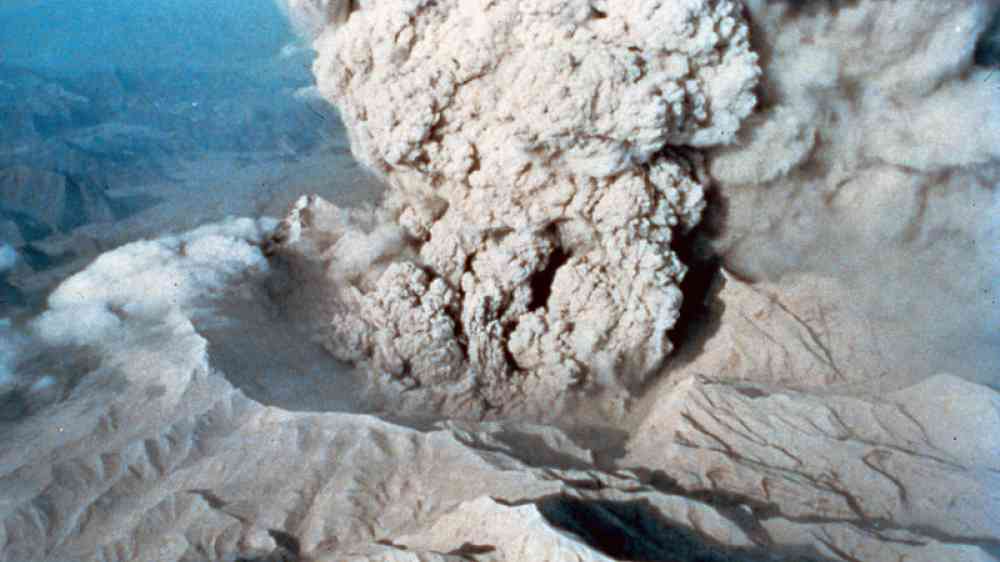
Mount Pinatubo Eruption 1991
Research briefs

Asymmetric volcanic plumes may shift equatorial weather patterns and increase tropical streamflow, according to new simulations.

Princeton University
Flooded bank in the park in Poland, 2024
Research briefs

According to researchers from Japan, their new statistical method increases the accuracy of flood risk projections across about 70% of the Earth's landmass.

University of Tokyo 東京大学
Research briefs

Characterizing weather extremes from the past to add context to future impacts.

University of Connecticut
Research briefs

Analysis of data from nearly 1,500 sites in the contiguous United States between 1980 and 2022 revealed that heatwaves in rivers are accelerating faster than and lasting nearly twice as long air heatwaves.

Pennsylvania State University
Research briefs

Hidden beneath the biggest ice mass on Earth, hundreds of subglacial lakes form a crucial part of Antarctica’s icy structure, affecting the movement and stability of glaciers, and consequentially influencing global sea level rise.

European Space Agency
Research briefs

The research reveals that the anomalous dipole pattern of sea surface temperature in the North Atlantic affects the summer precipitation on the northern slope of the Tibetan Plateau through atmospheric teleconnection processes.

Chinese Academy of Sciences
A sunrise casts its light over the Pacific Palisades neighborhood of West Los Angeles, in the aftermath of the 2025 wildfires.
Research briefs

In a new study published in the journal Atmospheric Environment, it is shown that large wildfires produce large amounts of ozone into the atmosphere. This not only impacts our lungs and other health concerns but contributes to the warming of the planet.

University of Colorado