Research briefs

Keep up to date with the latest research on disaster risk and resilience on the PreventionWeb knowledge base.

Explore cutting-edge research on disaster risk reduction and resilience through PreventionWeb's dedicated research briefs section. Our platform curates and highlights the most recent academic studies, providing valuable insights into disaster risk management. Each research brief distills key findings from peer-reviewed journals and academic publications.

Submit a research brief.

These briefs are designed to keep you informed about the latest scientific advances. Links to the full publications are always included, ensuring easy access to in-depth knowledge. Please note that this section exclusively features academic research, distinct from reports by international organizations or Non-Governmental Organisations.

Uploaded on
Hand on a keyboard with images of an AI-powered programme
Research briefs

Scientists at Johns Hopkins and the University of Florida simulate and predict human behavior during wildfire evacuation, allowing for improved planning and safety measures.

Johns Hopkins University
Research briefs

Research shows weather disasters can briefly shift Australians’ beliefs and votes on climate – but longer-term unusual weather doesn't alter attitudes or actions.

University of New South Wales
Research briefs

Once considered a luxury, air conditioning has become an essential safeguard for nursing home residents. A Ontario-based study published in JAMA Internal Medicine underscores the heightened mortality risk associated with extreme heat in nursing homes.

University of Toronto
Research briefs

The paper, published Wednesday in the journal Science Advances, found that from 2006 to 2020, long-term exposure to tiny particulates from wildfire smoke contributed to an average of 24,100 deaths a year in the lower 48 states.

Gwangju Institute of Science and Technology
Flooding in Pakistan
Research briefs

The research helps explain some of the world’s most dangerous flash-flood events and may aid future improvements in identifying risk. It offers forecasters new insights and could in the future help communities mitigate against extreme weather events.

Met Office
Computer screens showing maps and data
Research briefs

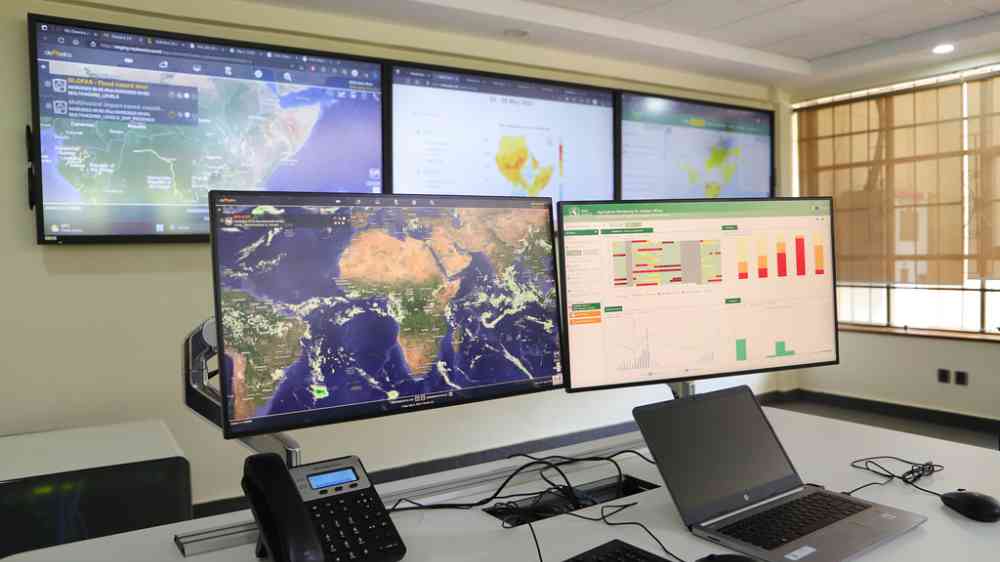
Probability-based forecasts can better inform weather-based decision-making, according to new Met Office research.

Met Office
Research briefs

UConn research gives insights into regional weather differences that complicate grid resilience.

University of Connecticut
Waves crash on the rocky coast of Lake Superior at Michigan's Pictured Rocks National Lakeshore in autumn (USA)
Research briefs

A Q&A with the authors of a Reviews of Geophysics study that examines meteotsunamis, their data, research tools, coastal impacts, how scientists investigate them, and the key unanswered questions that still drive this field.

Eos - AGU