Research briefs

Keep up to date with the latest research on disaster risk and resilience on the PreventionWeb knowledge base.

Explore cutting-edge research on disaster risk reduction and resilience through PreventionWeb's dedicated research briefs section. Our platform curates and highlights the most recent academic studies, providing valuable insights into disaster risk management. Each research brief distills key findings from peer-reviewed journals and academic publications.

Submit a research brief.

These briefs are designed to keep you informed about the latest scientific advances. Links to the full publications are always included, ensuring easy access to in-depth knowledge. Please note that this section exclusively features academic research, distinct from reports by international organizations or Non-Governmental Organisations.

Uploaded on
tourists cooling off in fountain heatwave Rome on a very hot day. Heat record in Italy - 08.06.2022
Research briefs

High‑resolution ocean models better capture how North Atlantic temperature anomalies trigger European heat waves, improving simulations of atmospheric blocking and heat‑wave patterns, though some biases still remain.

Max-Planck-Gesellschaft
Research briefs

Recent PhD graduate Gabrielle Migliato Marega (CivMin) developed an improved tool for estimating how much water from heavy rains ends up in sanitary sewers.

University of Toronto
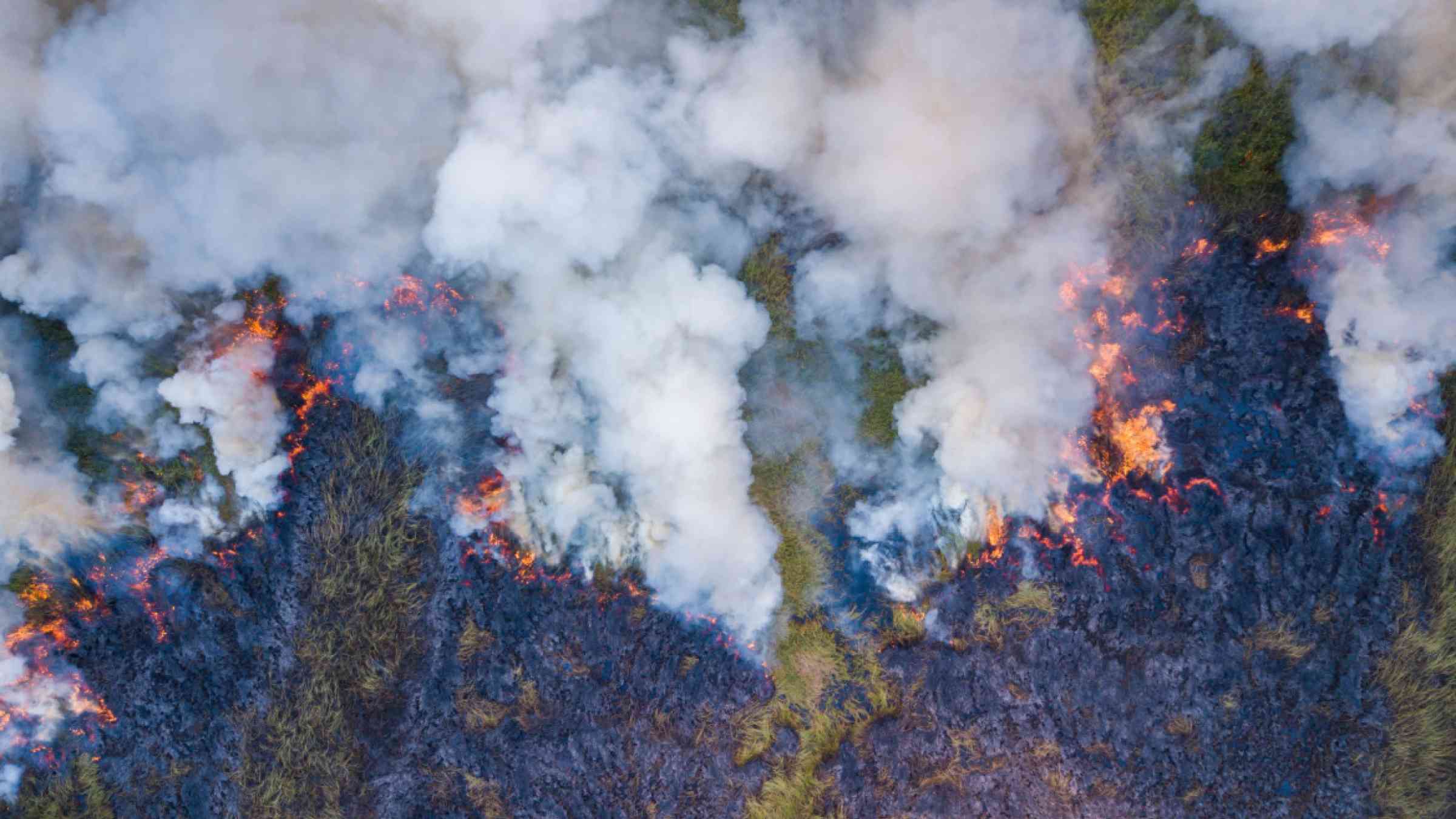
Aerial view of forest grass being burned
Research briefs

Forest damage in Europe caused by wildfires, storms and bark beetle outbreaks is projected to increase compared to recent decades under all analysed climate scenarios, according to an international study.

Potsdam Institute for Climate Impact Research
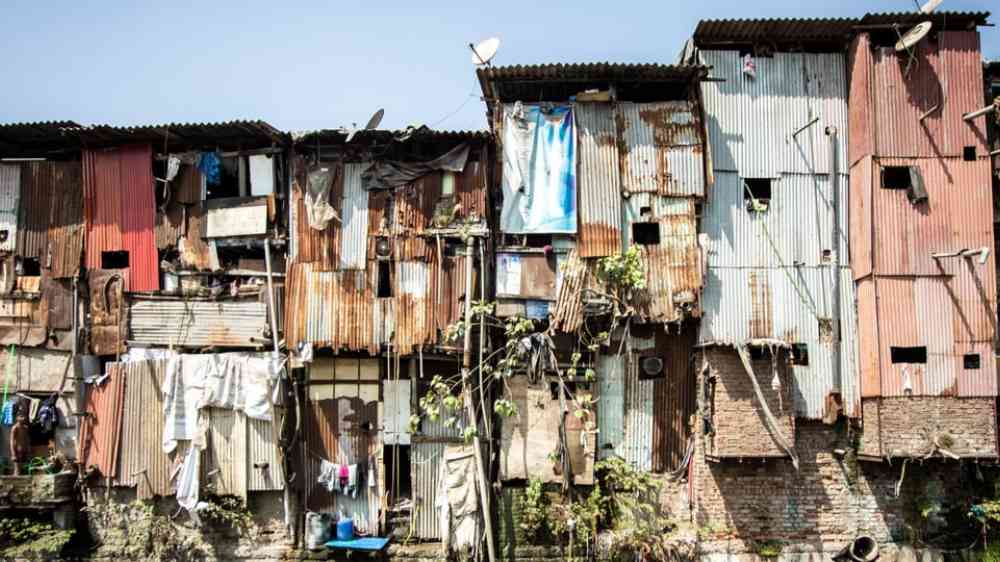
Dharavi slums on the banks of the river Mumbai
Research briefs

Research shows that the poorest may be least able to move away from harm.

Yale Climate Connections
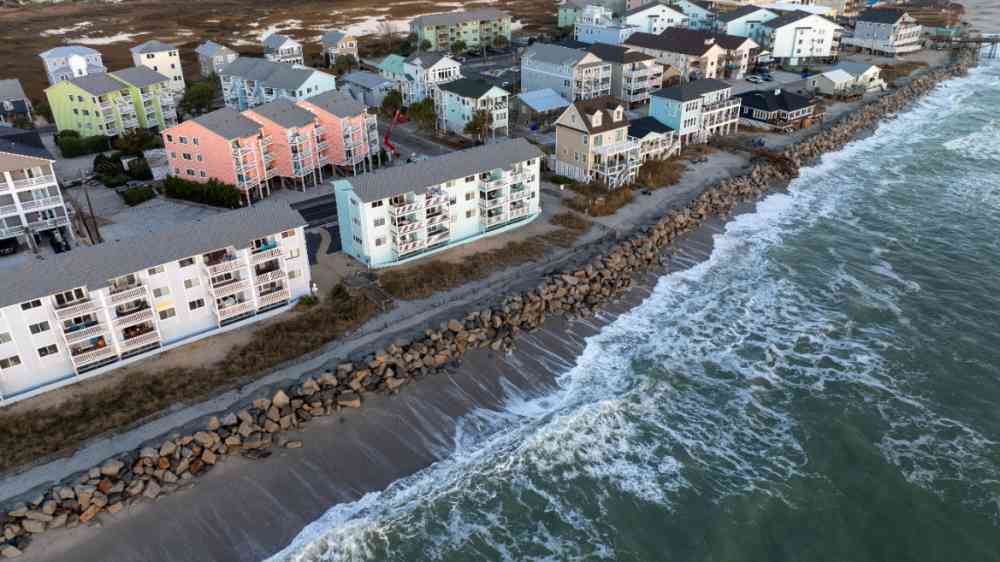
Coastal homes in Carolina Beach, NC, USA facing the Atlantic Ocean.
Research briefs

An international analysis has been published in Nature showing that actual sea levels are significantly higher than previously assumed in most studies of the consequences for coastal areas.

Deltares
Research briefs

Thunderstorms form more predictably than thought: soil‑moisture patterns aligning with wind shear help pinpoint where storms will rapidly grow, improving early warnings and forecasting on hot days.

PhysOrg, Omicron Technology Ltd
Brick field workers rest after hard work, wearing just baked brick from the kiln in truck
Research briefs

Research on Hurricane Beryl shows recovery workers face extreme, often overlooked heat risk, worsened by power outages and climate change. Tailored safety measures and staffing are needed to protect crews.

Grist Magazine
Thunderstorm over fields in South Africa.
Research briefs

Atmospheric rivers are becoming more frequent and intense, especially in the North Pacific, North Atlantic, Southern Ocean, and parts of the U.S. and Europe, increasing risks of heavy precipitation, snowfall, warm winters, and extreme heat.

Eos - AGU