Research briefs

Keep up to date with the latest research on disaster risk and resilience on the PreventionWeb knowledge base.

Explore cutting-edge research on disaster risk reduction and resilience through PreventionWeb's dedicated research briefs section. Our platform curates and highlights the most recent academic studies, providing valuable insights into disaster risk management. Each research brief distills key findings from peer-reviewed journals and academic publications.

Submit a research brief.

These briefs are designed to keep you informed about the latest scientific advances. Links to the full publications are always included, ensuring easy access to in-depth knowledge. Please note that this section exclusively features academic research, distinct from reports by international organizations or Non-Governmental Organisations.

Uploaded on
Research briefs

The tool flagged vulnerable mangrove patches a decade in advance, offering a path toward preventive conservation.

Scripps Institution of Oceanography
Research briefs

Free, community-friendly tool makes it easier for scientists to model how electromagnetic waves affect high-energy particles in space.

University of Birmingham
Research briefs

U.S. National Science Foundation-supported researchers discovered that incorporating a better representation of carbon-based chemicals  found in smoke into advanced models enables more accurate  predictions of air pollutants to help improve air quality.

National Science Foundation (NSF)
Shade produced by trees in a city street in southern France
Research briefs

Urban parks are often seen as natural refuges from summer heat, but Concordia research shows that, depending on the time of day, the way trees are arranged within parks can influence whether those spaces cool people down or trap heat.

Concordia University
Indian farmer working in a field in front of a water sprinkler
Research briefs

Coastal groundwater is a key source of drinking water in many regions of the world. However, it is threatened by overabstraction and the potential for salinization.

PhysOrg, Omicron Technology Ltd
Fatigued female worker sits against shipping container, wiping sweat from her forehead while holding a water bottle and hard hat.
Research briefs

Heat prevention plans across Europe are already saving thousands of lives during extreme heat, leading to a reduction of about 25% in excess deaths attributable to extreme heat.

Centro Euro-Mediterraneo sui Cambiamenti Climatici (CMCC)
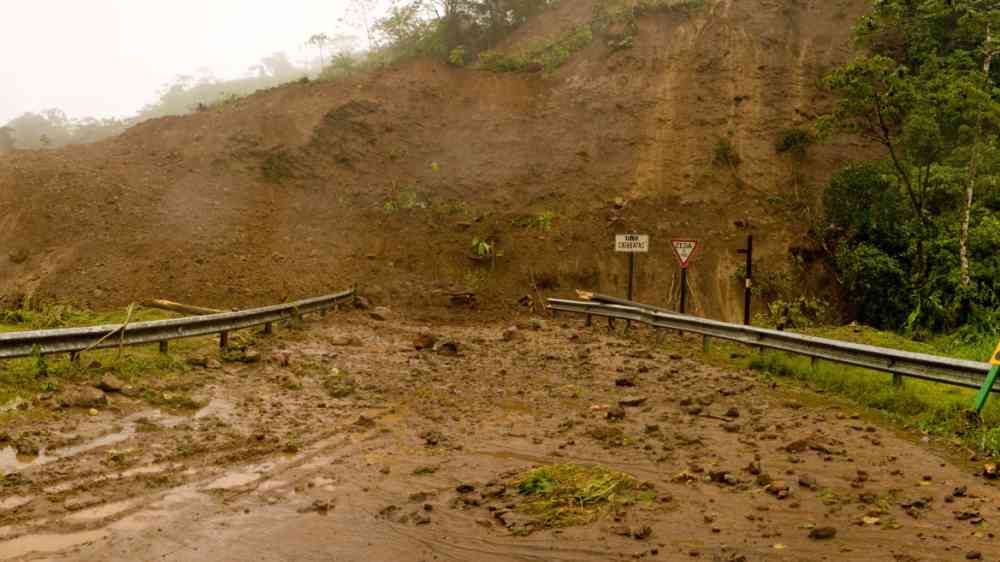
Mudslide blocking a road in Costa Rica
Research briefs

A new paper Fidan et al. (2026) demonstrates that wealth and the rate of land-cover change play a key role in determining the occurrence of fatal landslides in mountain areas.

Eos - AGU
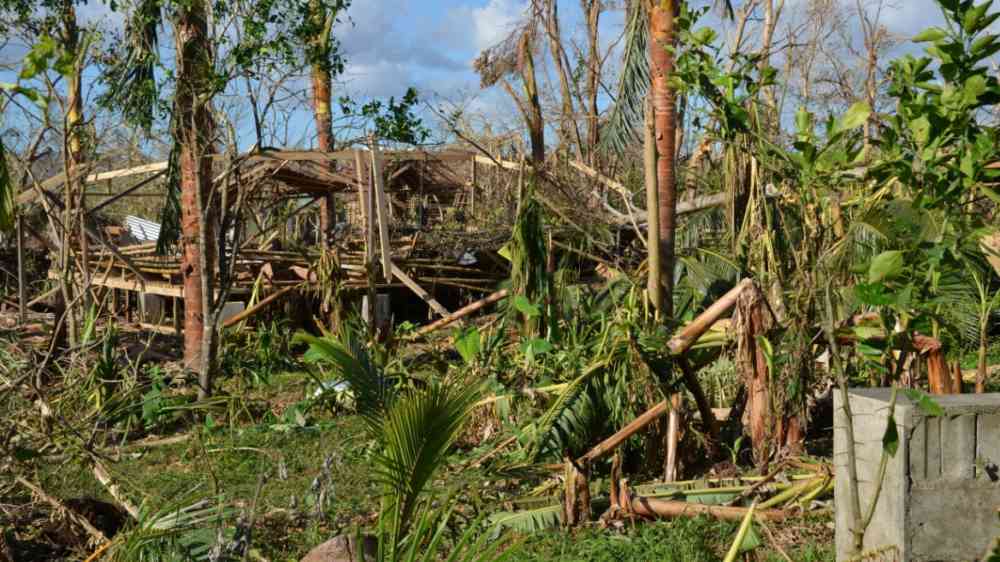
Destroyed house by cyclone Pam that struck Vanuatu in March 2015.
Research briefs

Tropical cyclones that rapidly intensify when passing over marine heatwaves can become “supercharged”, increasing the likelihood of high economic losses, a new study finds.

Carbon Brief