Research briefs

Keep up to date with the latest research on disaster risk and resilience on the PreventionWeb knowledge base.

Explore cutting-edge research on disaster risk reduction and resilience through PreventionWeb's dedicated research briefs section. Our platform curates and highlights the most recent academic studies, providing valuable insights into disaster risk management. Each research brief distills key findings from peer-reviewed journals and academic publications.

Submit a research brief.

These briefs are designed to keep you informed about the latest scientific advances. Links to the full publications are always included, ensuring easy access to in-depth knowledge. Please note that this section exclusively features academic research, distinct from reports by international organizations or Non-Governmental Organisations.


Uploaded on
Research briefs

Even if greenhouse gas emissions were to cease altogether, the volume of ice in the European Alps would fall by 34% by 2050. If the trend observed over the last 20 years continues at the same rate, however, almost half the volume of ice will be lost.

University of Zurich
River in a forest
Research briefs

A collaborative team of researchers led by Michael Mann has uncovered key mechanisms behind 2021's Pacific Northwest ‘Heat Dome.’

University of Pennsylvania
Digital thermometer showing a high temperature in a town
Research briefs

Concentrated across tropical Asia and Africa, informal settlements, commonly known as “slums”, are on the front line of climate exposure. The shortfalls in climate monitoring leave these communities dangerously vulnerable to rising humid heat.

Conversation Media Group, the
Research briefs

Deglaciation during the Holocene has had significant impacts on the surrounding mountainous environments as glaciers retreated and left distinct landforms in their wake, such as debris ridges (moraines) deposited at the snout during retreat.

PhysOrg, Omicron Technology Ltd
Research briefs

The world is currently experiencing a worsening polycrisis, caused by an entanglement and nonlinear amplification of many of the world’s crises, like the Covid-19 pandemic, climate change and armed conflicts such as Russia’s war on Ukraine.

Potsdam Institute for Climate Impact Research
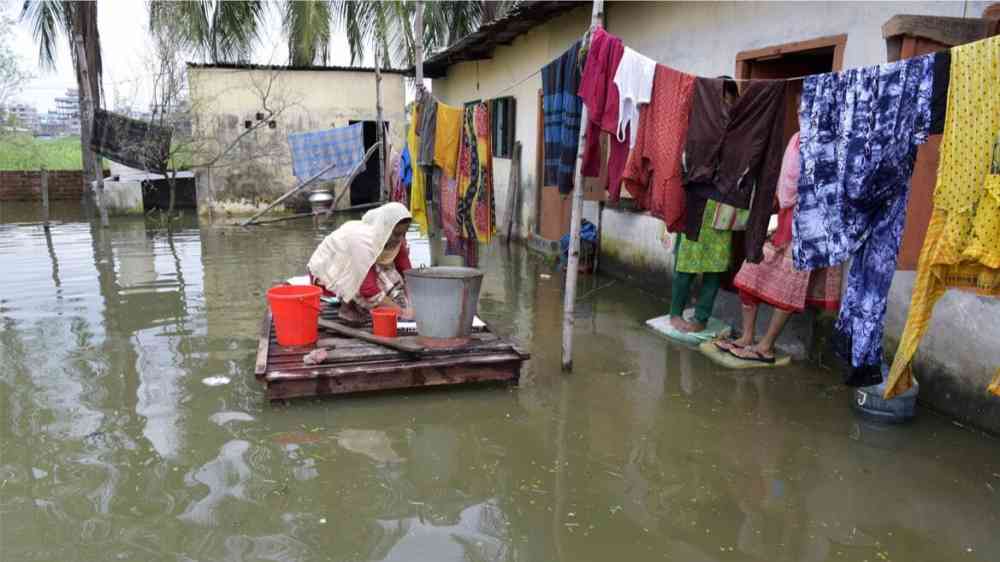
Bangladeshi woman washing clothes in a flooded house
Research briefs

Rising sea levels can cause an increase in the salt concentration of the underlying aquifer, in turn, possibly increasing the release of arsenic from sediments into the drinking well water by the salt effect.

PLOS ONE
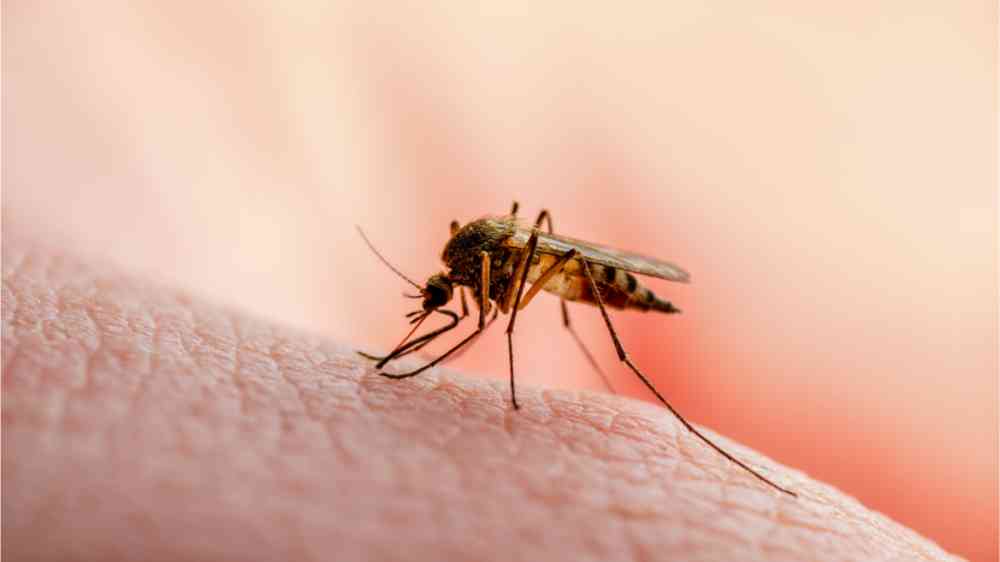
This image shows a mosquito sitting on human skin.
Research briefs

A new study looks into how residential structure damage from severe weather complicates the prevalence of malaria in Mozambique.

University of Minnesota
Research briefs

In 2019, the tailings dam at a Brazilian iron ore mine failed. The mudslide caused a catastrophe for people and the environment.

ETH Zurich