Research briefs

Keep up to date with the latest research on disaster risk and resilience on the PreventionWeb knowledge base.

Explore cutting-edge research on disaster risk reduction and resilience through PreventionWeb's dedicated research briefs section. Our platform curates and highlights the most recent academic studies, providing valuable insights into disaster risk management. Each research brief distills key findings from peer-reviewed journals and academic publications.

Submit a research brief.

These briefs are designed to keep you informed about the latest scientific advances. Links to the full publications are always included, ensuring easy access to in-depth knowledge. Please note that this section exclusively features academic research, distinct from reports by international organizations or Non-Governmental Organisations.


Uploaded on
Eyjafjallajökull erupting above its ice cap in Iceland
Research briefs

A new tool created using AI could help forecast volcanic eruptions around the world, following breakthrough research from a University of Canterbury-led team.

University of Canterbury
Row of contemporary houseboats in IJburg district at sunset in Amsterdam, Netherlands.
Research briefs

A new study by Deltares sheds light on the role of ‘living with water’ (in Dutch: Meebewegen) as a strategy for climate adaptation in the Netherlands.

Deltares
Research briefs

Scientists hope their model will enable risk assessments to more holistically capture the human impact of disasters.

The Society for Risk Analysis (SRA)
Research briefs

A new study reviews the use of artificial intelligence (AI) to deepen the understanding of extreme climate phenomena, with the aim of developing more reliable and precise prediction systems.

University of Valencia
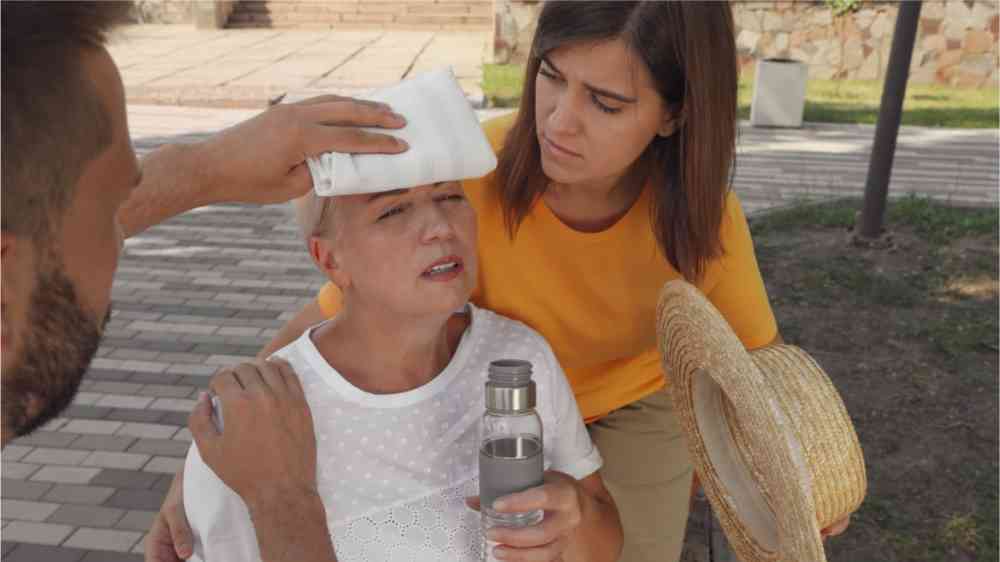
Two people who are helping a woman who is feeling unwell due to the heat in the city.
Research briefs

Extreme temperature caused by unchecked climate change could claim 2.3 million lives in Europe by 2100, a new study warns.

Eos - AGU
Research briefs

A study proposes a new method that combines the complementary strengths of different sea-level projections. The authors use their method to quantify the uncertainty of future sea-level rise.

Conversation Media Group, the
Research briefs

As temperatures warm around the globe, more people are turning to food delivery services to avoid the sweltering heat — but that's putting delivery workers increasingly in harm's way.

The Cool Down
An image of a yellow buoy resting on the dried Rhine riverbed
Research briefs

Researchers use tree ring records to help reconstruct hydroclimate patterns and isolate drivers of drought.

Eos - AGU