Research briefs

Keep up to date with the latest research on disaster risk and resilience on the PreventionWeb knowledge base.

Explore cutting-edge research on disaster risk reduction and resilience through PreventionWeb's dedicated research briefs section. Our platform curates and highlights the most recent academic studies, providing valuable insights into disaster risk management. Each research brief distills key findings from peer-reviewed journals and academic publications.

Submit a research brief.

These briefs are designed to keep you informed about the latest scientific advances. Links to the full publications are always included, ensuring easy access to in-depth knowledge. Please note that this section exclusively features academic research, distinct from reports by international organizations or Non-Governmental Organisations.

Uploaded on
Research briefs

The world's largest and most comprehensive study of the long-term health impacts of flooding has found an increased risk of 26 per cent of all diseases serious enough to require hospitalisation.

Monash University
Research briefs

Researchers found that wildfire survivors were less likely to stick with choices that offered greater long-term rewards.

University of California, San Diego
Research briefs

High vulnerability and exposure main driver behind Kinshasa’s deadly floods following heavy, but not unusual rainfall.

World Weather Attribution
Historic antarctic base before glacier and mountains in Antarctica, Stonington Island
Research briefs

Thunderstorms are rare in the cold, dry Arctic, but a surprising event in August 2019 has scientists rethinking how these storms form in polar regions.

Chinese Academy of Sciences
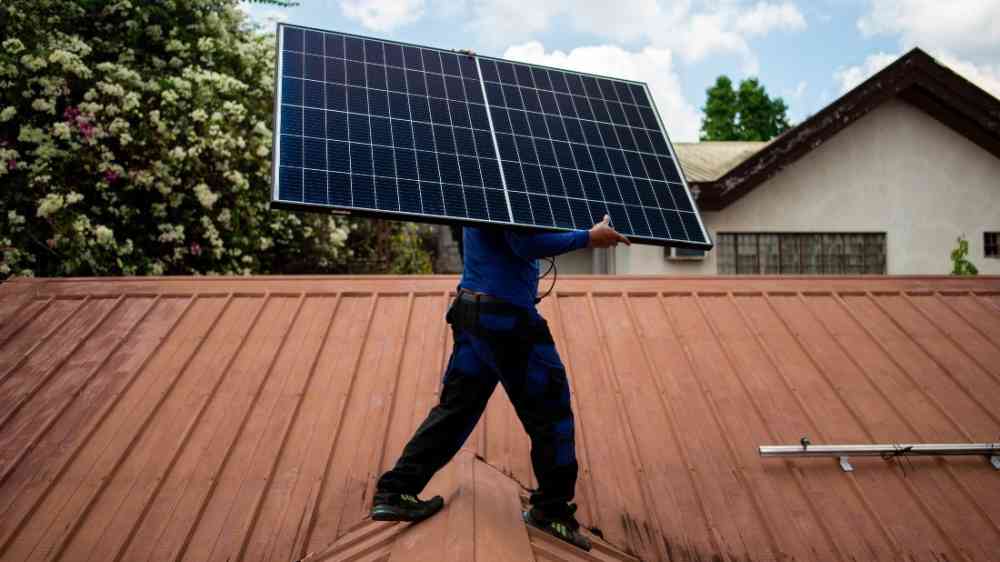
A worker from PHILERGY, a German-Filipino supplier and installer of solar energy, carries a solar panel during a home installation
Research briefs

More communities are relying on solar power as a source of renewable energy, but increasing demand and climate change threaten its reliability.

Eos - AGU
Research briefs

Barrier islands protect coastal communities and infrastructure — so what happens if they disappear?

Texas A&M University System
Research briefs

A team of environmental scientists has found that global warming has led to tripling the length of ocean surface heat waves.

PhysOrg, Omicron Technology Ltd
Yellow, dry maize field in the sun.
Research briefs

A new study warns of a dramatic rise in heatwave exposure across Central Asia's croplands by the end of the 21st century, viewing the combined effects of climate change and shifting patterns of land use as dominant drivers.

Chinese Academy of Sciences