Research briefs

Keep up to date with the latest research on disaster risk and resilience on the PreventionWeb knowledge base.

Explore cutting-edge research on disaster risk reduction and resilience through PreventionWeb's dedicated research briefs section. Our platform curates and highlights the most recent academic studies, providing valuable insights into disaster risk management. Each research brief distills key findings from peer-reviewed journals and academic publications.

Submit a research brief.

These briefs are designed to keep you informed about the latest scientific advances. Links to the full publications are always included, ensuring easy access to in-depth knowledge. Please note that this section exclusively features academic research, distinct from reports by international organizations or Non-Governmental Organisations.

Uploaded on
Mangroves at a river in Costa Rice.
Research briefs

New research by Deltares and TU Delft shows that broad mangrove forests more than 500 metres wide can reduce incoming wave energy by around 75% or more. This emphasises the importance of preserving and expanding these ecosystems.

Deltares
Research briefs

While the early pandemic effects were studied extensively, little is known about long-term impacts on vulnerable groups like the elderly. Researchers in Japan analyzed healthcare use and socioeconomic disparities among older adults during the pandemic.

Waseda University 早稲田大学
Research briefs

A team of atmospheric scientists at the University of Washington has found evidence that weather forecasters may be able to look ahead for up to 30 days when making predictions.

PhysOrg, Omicron Technology Ltd
Research briefs

As climate-related disasters grow more intense and frequent, an international team of researchers has introduced Aurora—a groundbreaking AI model designed to deliver faster, more accurate, and more affordable forecasts.

The University of Amsterdam
Research briefs

Researchers at University of Tsukuba analyzed the source process of a significant earthquake that occurred in Myanmar in March 2025 using a novel approach, the potency density tensor inversion method.

University of Tsukuba
View of the Bangaldesh coast
Research briefs

Research on one of the world’s most climate-exposed deltas offers important lessons for vulnerable coastal regions around the world.

University of Portsmouth
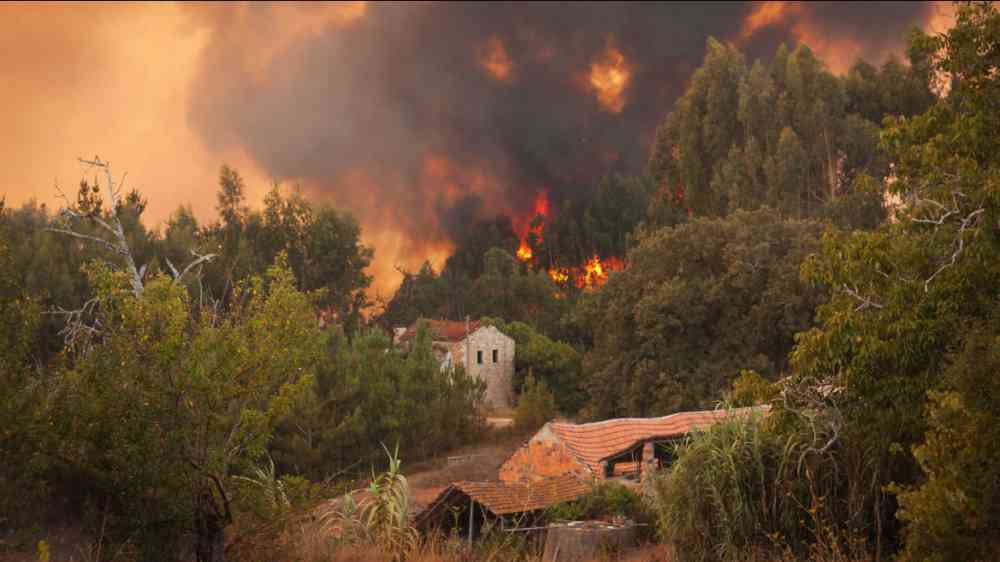
Forest Wild fire near houses on Portugal Summer
Research briefs

The European Insurance and Occupational Pensions Authority (EIOPA) released a new study today highlighting the importance of clearer, and more consumer-friendly information disclosures regarding the catastrophe coverage of home insurance policies.

European insurance and occupational pensions authority
Hurricane Beryl underscores need for urgent action on Disaster Risk Reduction
Research briefs

A new study from scientists from the University of Chicago found that neural networks cannot forecast “gray swan” weather events, which might not appear in existing training data but could still happen—like 200-year floods or massive hurricanes.

University of Chicago