1. Home
  2. Knowledge Base | PreventionWeb
  3. Themes

Science-policy-practice interface

This theme addresses how science can contribute to disaster risk reduction, including approaches and initiatives to bring scientific and technical knowledge into practice and policy, approaches for multidisciplinary engagement, good practice in scientific and technical aspects of DRR, and citizen science.

Latest Science-policy-practice interface additions in the Knowledge Base

Showing 1–10 of 1,998 results

WTAD Geneva Event 2 November 2026
Update

To commemorate World Tsunami Awareness Day – marked each year on 5 November – UNDRR held an innovation showcase and policy dialogue, generously hosted by the Permanent Mission of Japan in Geneva.

United Nations Office for Disaster Risk Reduction (UNDRR)
Meetings and conferences
Online
Online, 14 October 2026, 13:30–16:40 Costa Rica time. The University of Costa Rica’s XV Research Conference on Disaster Risk Management presents recent research from Costa Rica, Paraguay, Chile and the United States. Free and open to all.
Meetings and conferences
Adana
-
In person
Adana, Türkiye, 3–7 May 2027. The 12th International i-Rec Conference examines how disaster memory shapes post-disaster reconstruction and vulnerability reduction, with a graduate workshop, field visits in Adana and Hatay, and student competitions.
Update

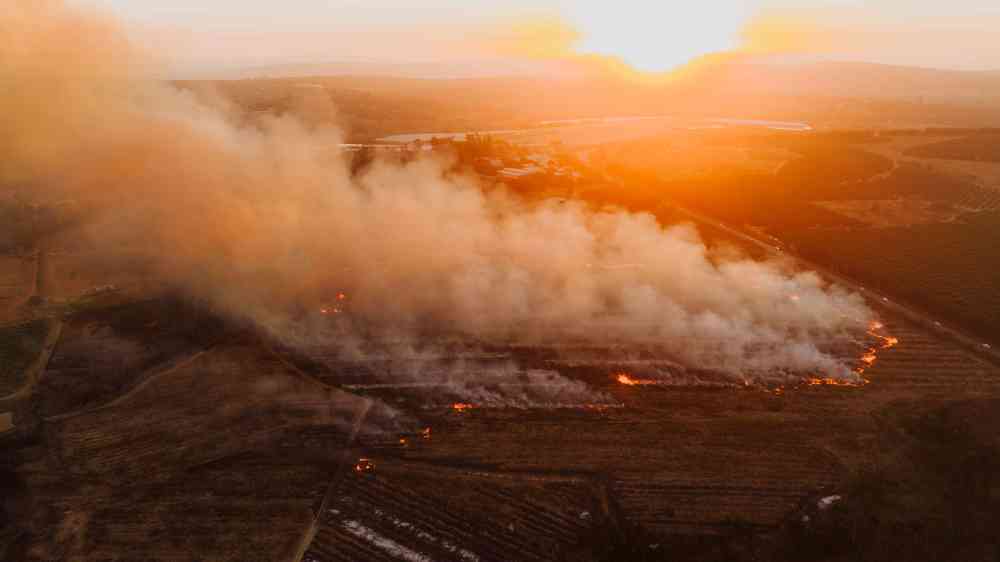
Federal agencies in the United States already use drones to map wildfires and detect hotspots. The Forest Service is now testing ground robots, and researchers are training machine-learning models on drone imagery to predict how fast a fire will spread.

Bulletin of the Atomic Scientists, The
Aerial shot of a wildfire near White River, South Africa, creating dramatic sunset scenery over the landscape.
Update

Firefighter and researcher Marc Castellnou sends weather balloons into towering wildfire plumes to measure temperature, wind and humidity, opening a new way to anticipate when a fire turns extreme – and why some keep burning fiercely at night.

Wageningen University and Research Centre
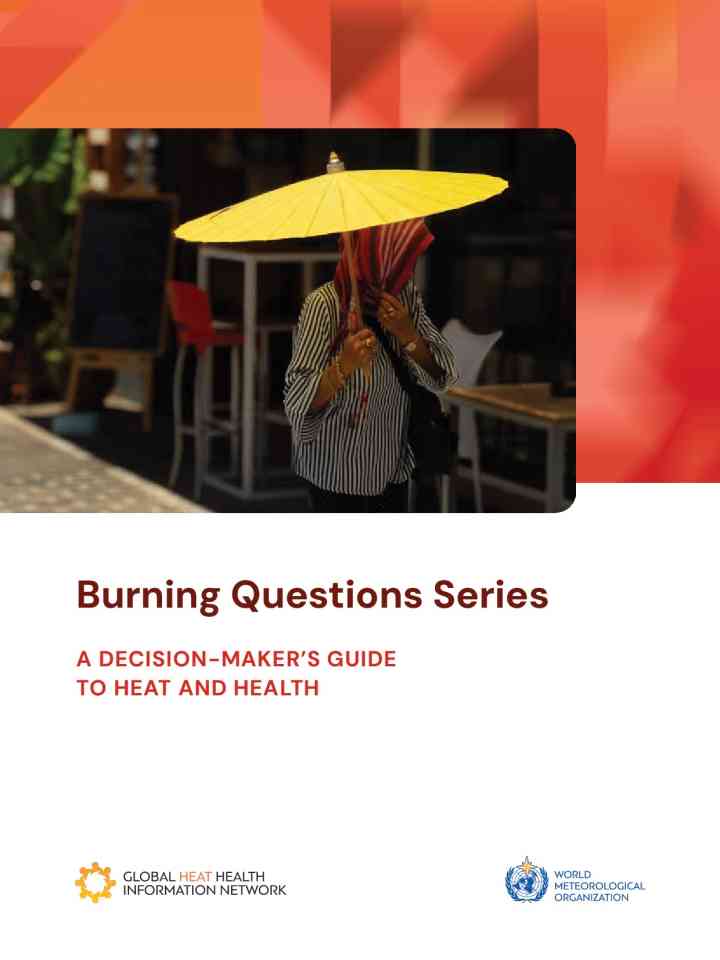
Burning questions series: A decision-maker’s guide to heat and health thumbnail
Documents and publications

This guide summarizes global evidence on extreme heat and health, showing rising heat-related illness, death and economic losses, and highlighting Heat-Health Action Plans, surveillance, governance and equitable adaptation as key responses.

Global Heat Health Information Network (GHHIN)
World Meteorological Organization (WMO)