Research briefs

Keep up to date with the latest research on disaster risk and resilience on the PreventionWeb knowledge base.

Explore cutting-edge research on disaster risk reduction and resilience through PreventionWeb's dedicated research briefs section. Our platform curates and highlights the most recent academic studies, providing valuable insights into disaster risk management. Each research brief distills key findings from peer-reviewed journals and academic publications.

Submit a research brief.

These briefs are designed to keep you informed about the latest scientific advances. Links to the full publications are always included, ensuring easy access to in-depth knowledge. Please note that this section exclusively features academic research, distinct from reports by international organizations or Non-Governmental Organisations.

Uploaded on
Research briefs

Once considered a fringe idea, the prospect of offsetting global warming by releasing massive quantities of sunlight-reflecting particles into Earth’s atmosphere is now a matter of serious scientific consideration.

Columbia University
Homeless person walking on front of Seoul Central Station, in South Korea
Research briefs

New Northeastern research details the dangers faced by low-income, socially vulnerable communities in the face of extreme weather events.

Northeastern University
Research briefs

For years, we believed the Himalayas were a climatic sanctuary—untouched, pristine, and resilient to the turbulence of modernization. But what happens when mountain cities begin to mimic the dynamics of megacities in the plains?

PhysOrg, Omicron Technology Ltd
A storm ocean wave crashes over the road and floods coastal houses.
Research briefs

Hurricanes are America’s most destructive natural hazards, causing more deaths and property damage than any other type of disaster. The No. 1 cause of the damages and deaths from hurricanes is storm surge.

Conversation Media Group, the
Firefighter battling a urban fire in Los Angeles
Research briefs

Wildfires across South America and Southern California were up to 30 times larger due to human-driven climate change, according to a major new international report.

University of Leicester
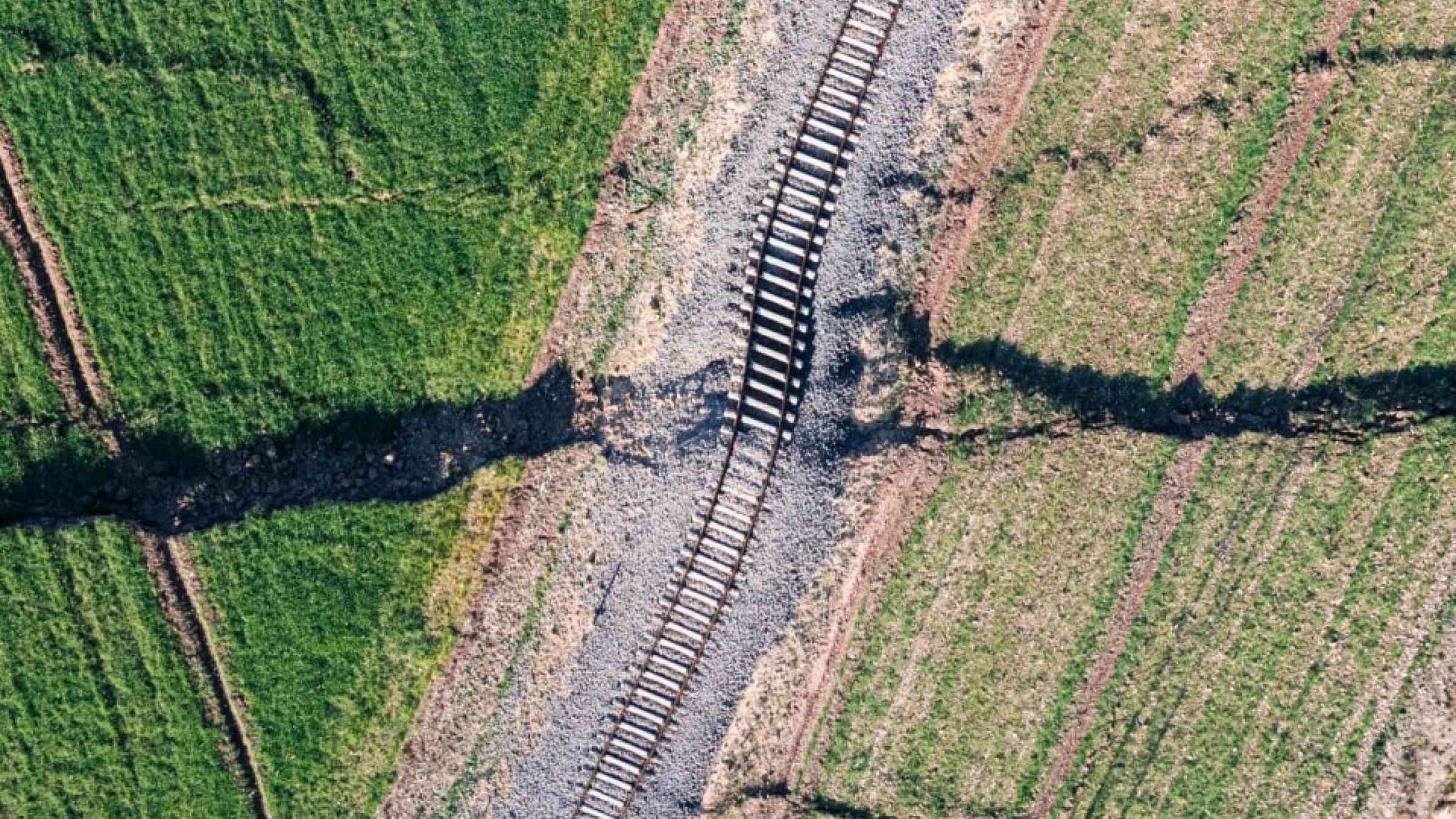
Surface fault which appeared following the 2022 Turkiye earthquake
Research briefs

Surface ruptures causing earthquakes pose risks to infrastructure and human lives, but advances in models and data in the last few decades have improved our ability to mitigate their effects.

American Geophysical Union
Phoenix in Arizona, USA.
Research briefs

A study led by University of Arizona researchers shows that decades of groundwater pumping by humans has depleted Tucson-area aquifers far more than natural climate variation.

University of Arizona Press
Research briefs

A global research effort shows that extreme, prolonged drought conditions in grasslands and shrublands would greatly limit the long-term health of crucial ecosystems that cover nearly half the planet.

The University of New Mexico