Research briefs

Keep up to date with the latest research on disaster risk and resilience on the PreventionWeb knowledge base.

Explore cutting-edge research on disaster risk reduction and resilience through PreventionWeb's dedicated research briefs section. Our platform curates and highlights the most recent academic studies, providing valuable insights into disaster risk management. Each research brief distills key findings from peer-reviewed journals and academic publications.

Submit a research brief.

These briefs are designed to keep you informed about the latest scientific advances. Links to the full publications are always included, ensuring easy access to in-depth knowledge. Please note that this section exclusively features academic research, distinct from reports by international organizations or Non-Governmental Organisations.
Uploaded on
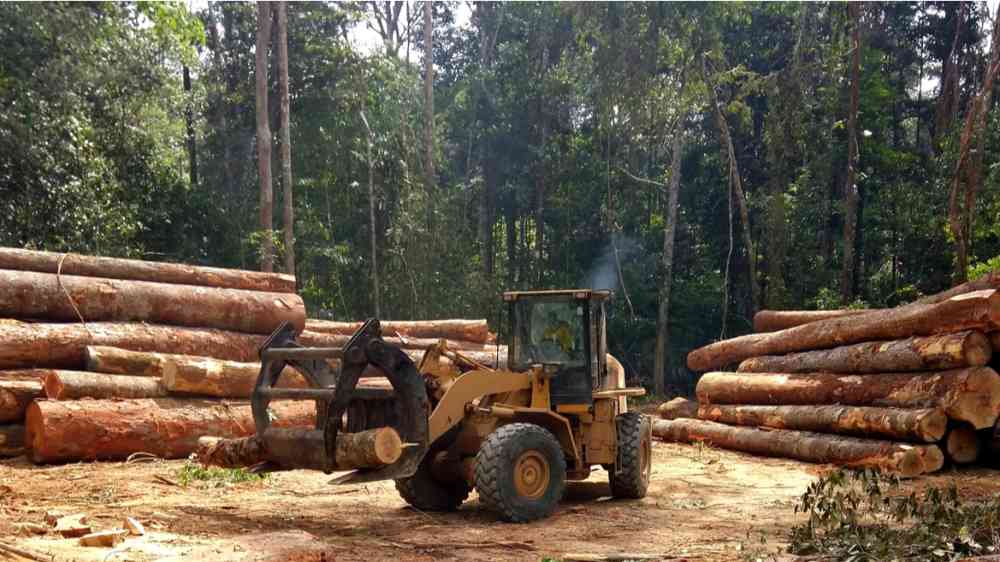
Wheel loader picking up the piles of wood from the Amazon forest region in Brazil
Research briefs

Deforestation is leading to temperature increases of up to 5°C in some tropical regions, according to data revealed in a new interactive map created by researchers at the University of Leeds.

University of Leeds
Research briefs

Cal Poly Humboldt study in partnership with Save the Redwoods League reveals how second-growth forests respond to modern wildfires and what managers can do to protect them.

California State Polytechnic University, Humboldt
Student gets his head wet to beat the heat of scorching sun
Research briefs

With heatwaves among Europe's deadliest climate hazards, a team of scientists led by CMCC has developed a prediction system capable of providing helpful information 4 to 7 weeks before summer, which gives valuable time to improve preparedness.

Centro Euro-Mediterraneo sui Cambiamenti Climatici (CMCC)
Research briefs

Early on October 28th, Hurricane Melissa made landfall on the southern coast of Jamaica as a Category 5 storm on the Saffir-Simpson scale, bringing extreme winds, torrential rainfall, and life-threatening storm surges to coastal areas.

World Weather Attribution
Research briefs

Findings suggest that the information in the messages was the primary factor in increasing people's understanding of the effects of climate change on extreme weather, and that emotional delivery played a minimal role in the effects of these messages.

Yale Program on Climate Change Communication
Research briefs

A research team has found that hailstorms in China have surged since the Industrial Revolution, likely due to human-driven climate warming. The study combines historical records, meteorological data, and AI to track long-term hailstorm trends.

Peking University
Low level of water is measured by a gauge on the Cantareira Jaguari dam during a severe drought in Sao Paulo state, Brazil.
Research briefs

A new study warns that day zero droughts—when reservoirs fail to supply taps—could become common within this decade.

Eos - AGU
Powerful hurricane Melissa seen from space with a clearly defined eye over the Caribbean sea, Octoner 2025.
Research briefs

Over the first two weeks, the largest increases were seen in deaths from kidney disease (up 92%) and injuries (up 21%) per cyclone-day in the first week. The more cyclone-days, the greater the cumulative risk.

Conversation Media Group, the