Research briefs

Keep up to date with the latest research on disaster risk and resilience on the PreventionWeb knowledge base.

Explore cutting-edge research on disaster risk reduction and resilience through PreventionWeb's dedicated research briefs section. Our platform curates and highlights the most recent academic studies, providing valuable insights into disaster risk management. Each research brief distills key findings from peer-reviewed journals and academic publications.

Submit a research brief.

These briefs are designed to keep you informed about the latest scientific advances. Links to the full publications are always included, ensuring easy access to in-depth knowledge. Please note that this section exclusively features academic research, distinct from reports by international organizations or Non-Governmental Organisations.

Uploaded on
Damaged building 2023 Türkiye-Syria earthquake
Research briefs

Machine learning models have demonstrated an ability to predict stick-slip laboratory earthquakes in small, centimeter-scale experiments, but this approach has not yet been applied to larger, more complex systems.

Kyoto University 京都大学
Research briefs

Landmark report forecasts water levels and temperature gain but avoids policy prescriptions.

Inside Climate News
Research briefs

A framework featuring a range of plausible future sea level rise scenarios could help coastal planners prepare critical infrastructure for the worst-case scenario.

Eos - AGU
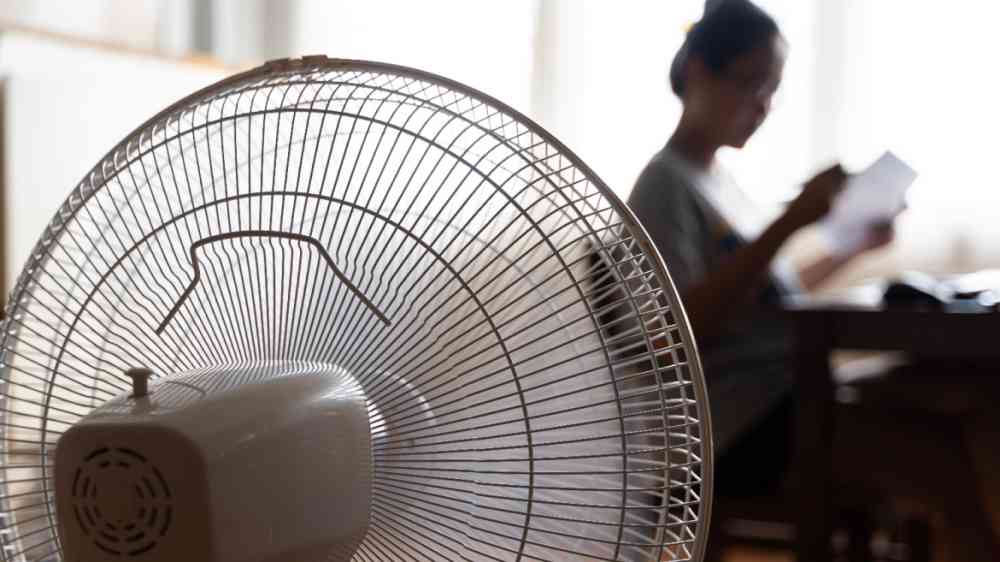
An electric fan cools down a resident inside her house
Research briefs

Weather patterns that produced 5 severe heat waves in Europe over the past 30 years could kill thousands more people if repeated in today’s hotter global climate, a new study finds.

Doerr School of Sustainability, Stanford University
The city of Santiago in Chile, with the Andes in the background
Research briefs

In light of the ongoing fifteen-year megadrought in Chile, a team of researchers addressed a bold future scenario. Their findings: by the end of the century, the considerably worn-out glaciers will not be able to buffer a similar megadrought.

The Institute of Science and Technology Austria (ISTA)
Research briefs

This research provides new technical support for predicting severe weather, managing water resources, and understanding regional climate change in some of the world's most complex and sensitive environments.

Institute of Atmospheric Physics, Chinese Academy of Sciences
Research briefs

Researchers have identified stormlike circulation patterns beneath Antarctic ice shelves that are causing aggressive melting, with major implications for global sea level rise projections.

University of California, Irvine
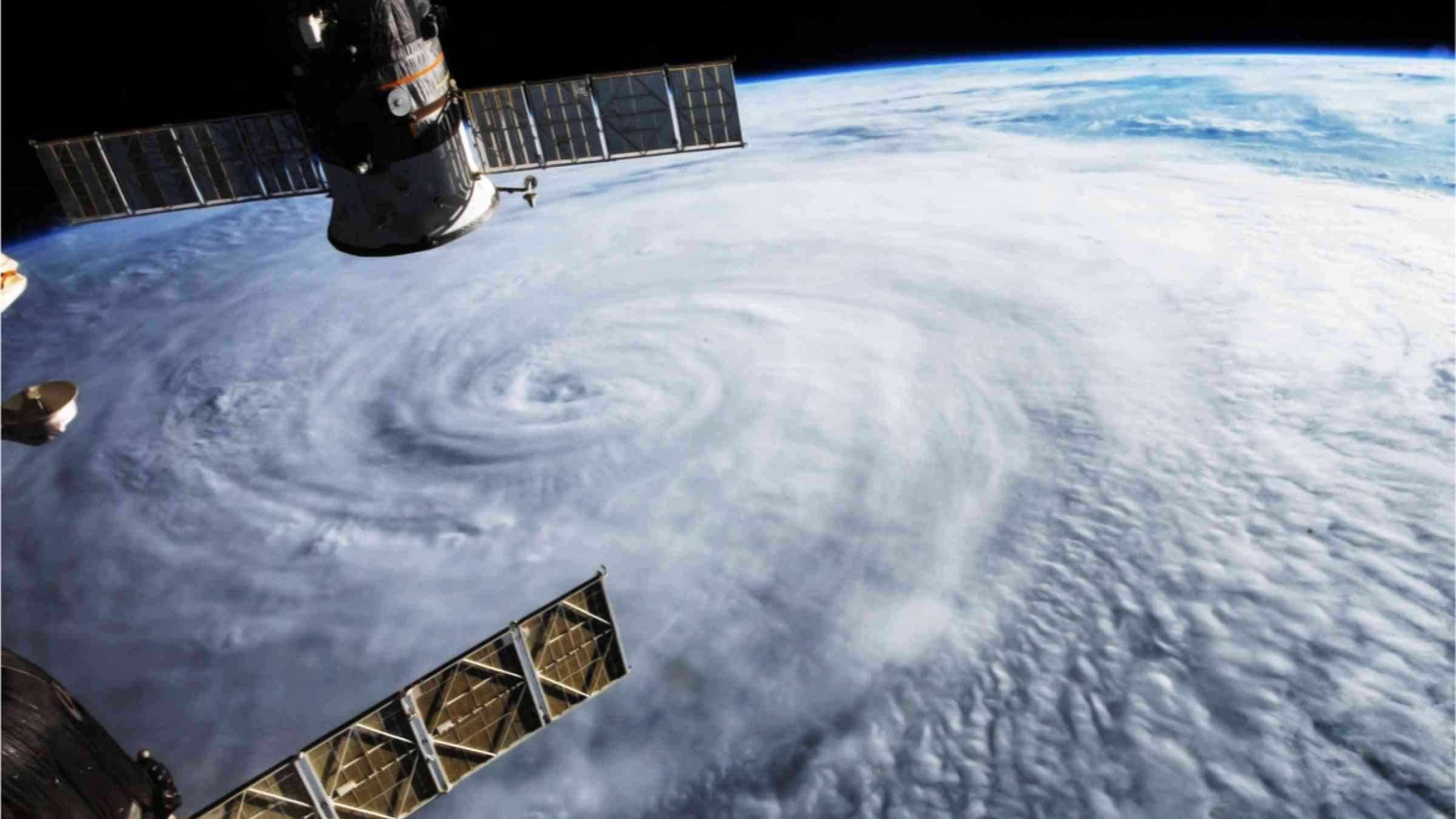
A satellite observes a hurricane from space
Research briefs

Satellite-based Earth observation can play a critical role in all stages of climate adaptation monitoring, as a comprehensive new study demonstrates.

European Space Agency