Research briefs

Keep up to date with the latest research on disaster risk and resilience on the PreventionWeb knowledge base.

Explore cutting-edge research on disaster risk reduction and resilience through PreventionWeb's dedicated research briefs section. Our platform curates and highlights the most recent academic studies, providing valuable insights into disaster risk management. Each research brief distills key findings from peer-reviewed journals and academic publications.

Submit a research brief.

These briefs are designed to keep you informed about the latest scientific advances. Links to the full publications are always included, ensuring easy access to in-depth knowledge. Please note that this section exclusively features academic research, distinct from reports by international organizations or Non-Governmental Organisations.

Uploaded on
Forest in California with panoramic aerial wildfire is burning trees smoke fire dry grass
Research briefs

Research shows every $1 the U.S. Forest Service spent to minimize wildfire risk prevented nearly $4 in damages.

Grist Magazine
Research briefs

When the world shut down due to the COVID-19 pandemic in early 2020, another crisis quietly grew behind closed doors.

Conversation Media Group, the
Research briefs

Researchers interviewed 15 Australian primary school children aged between nine and 12-years-old about environmental change, which includes things such as pollution, climate change and deforestation.

Conversation Media Group, the
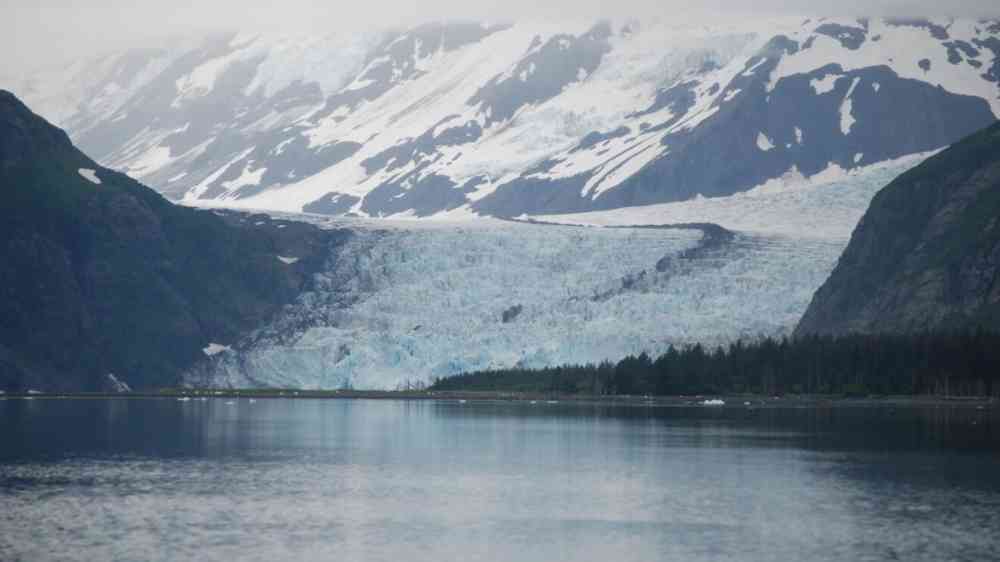
A view of Surprise Glacier from the ocean in western Prince William Sound, AK
Research briefs

On the evening of Aug. 9, 2025, passengers on the Hanse Explorer were taking photos and videos of the South Sawyer Glacier. Twelve hours later, a landslide collapsed into the fjord, initiating the second-highest tsunami in recorded history.

Conversation Media Group, the
Iluminated light bulb is located on soil and plant are growing.
Research briefs

World Resources Institute and The Rockefeller Foundation today announced new research, which finds that early investment in climate health solutions in low- and middle-income countries can yield between US$4 and US$68 in benefits for every US$1 invested.

World Resources Institute
Research briefs

In 2023 and 2024, Earth’s average surface temperature spiked nearly 0.3 degrees Celsius above what was already expected from climate change. Each year was declared the hottest and coincided with deadly wildfires, heat waves and climate-related disasters.

Cornell University
Research briefs

The scars left by the 2020 Cameron Peak and East Troublesome fires remain stark: blackened hillsides, closed trails and bare slopes where forests once stood. Tthe fires caused significant and lasting declines in visitation at the burned sites.

Conversation Media Group, the
Shark in water
Research briefs

Research demonstrates how animal-borne sensors can work in tandem with traditional tools to improve ocean predictions.

University of Miami