Research briefs

Keep up to date with the latest research on disaster risk and resilience on the PreventionWeb knowledge base.

Explore cutting-edge research on disaster risk reduction and resilience through PreventionWeb's dedicated research briefs section. Our platform curates and highlights the most recent academic studies, providing valuable insights into disaster risk management. Each research brief distills key findings from peer-reviewed journals and academic publications.

Submit a research brief.

These briefs are designed to keep you informed about the latest scientific advances. Links to the full publications are always included, ensuring easy access to in-depth knowledge. Please note that this section exclusively features academic research, distinct from reports by international organizations or Non-Governmental Organisations.
Uploaded on
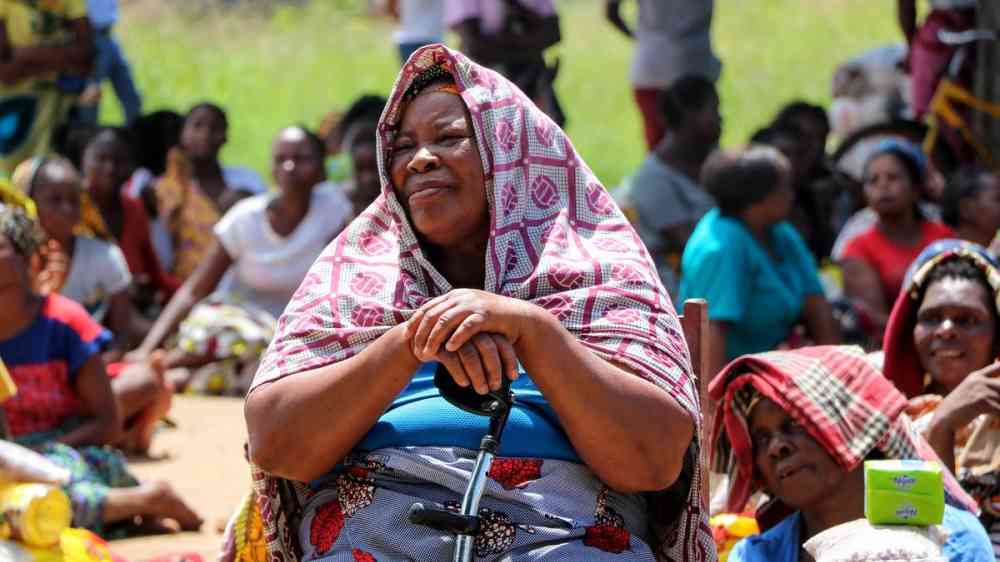
A woman after receiving her humanitarian kit after Cyclone Freddy - Mozambique
Research briefs

This research review, which looks at examples across Oceania, Africa and Asia finds that the people who are forced to adapt to the greatest extent are the ones that climate policies ignore the most.

Conversation Media Group, the
Earthquake on the ground
Research briefs

A recent study cautions that the Karoo, a potential target for shale gas exploration, might not be as seismologically calm as it appears.

Eos - AGU
Research briefs

Human-driven climate change is driving the rise of sea levels, worsening flood conditions and threatening coastal communities around the world. Not only is sea level rising, but it’s rising faster every year.

Eos - AGU
Flooded cars
Research briefs

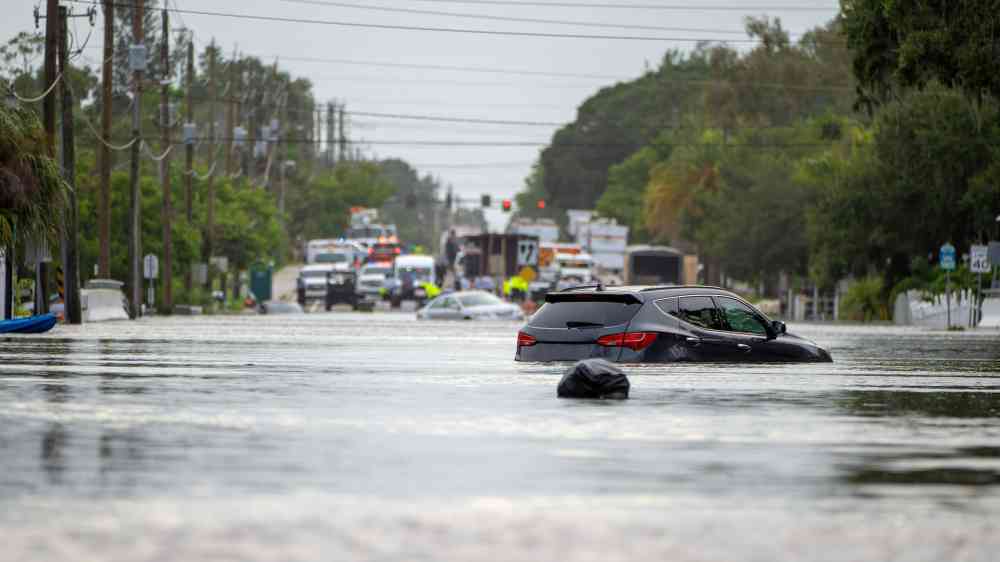
Average economic losses from floods with compounding hazards are almost three times higher than losses from floods alone.

European Commission Joint Research Centre
Research briefs

When people think about wildfires, they usually think about flames, smoke and evacuations. However, for many communities, some of the most important damage begins after the fire has passed.

Conversation Media Group, the
Research briefs

A new study in GSA Bulletin seeks to constrain how often and where faults cause earthquakes under the heart of Seattle

Geological Society of America, the
Research briefs

A recent study has uncovered a detailed mechanism through which intense storms over the Himalayas contribute to increasing moisture in the lower stratosphere—a layer of the atmosphere crucial to global climate regulation

Chinese Academy of Sciences
Research briefs

Normally after a storm, tidal wetlands can recover by themselves. Due to the increased frequency & intensity of hurricanes, they are losing that recovery capacity. So after a hurricane, there is need to provide a proactive management plan to help recover

University of Connecticut