Research briefs

Keep up to date with the latest research on disaster risk and resilience on the PreventionWeb knowledge base.

Explore cutting-edge research on disaster risk reduction and resilience through PreventionWeb's dedicated research briefs section. Our platform curates and highlights the most recent academic studies, providing valuable insights into disaster risk management. Each research brief distills key findings from peer-reviewed journals and academic publications.

Submit a research brief.

These briefs are designed to keep you informed about the latest scientific advances. Links to the full publications are always included, ensuring easy access to in-depth knowledge. Please note that this section exclusively features academic research, distinct from reports by international organizations or Non-Governmental Organisations.
Uploaded on
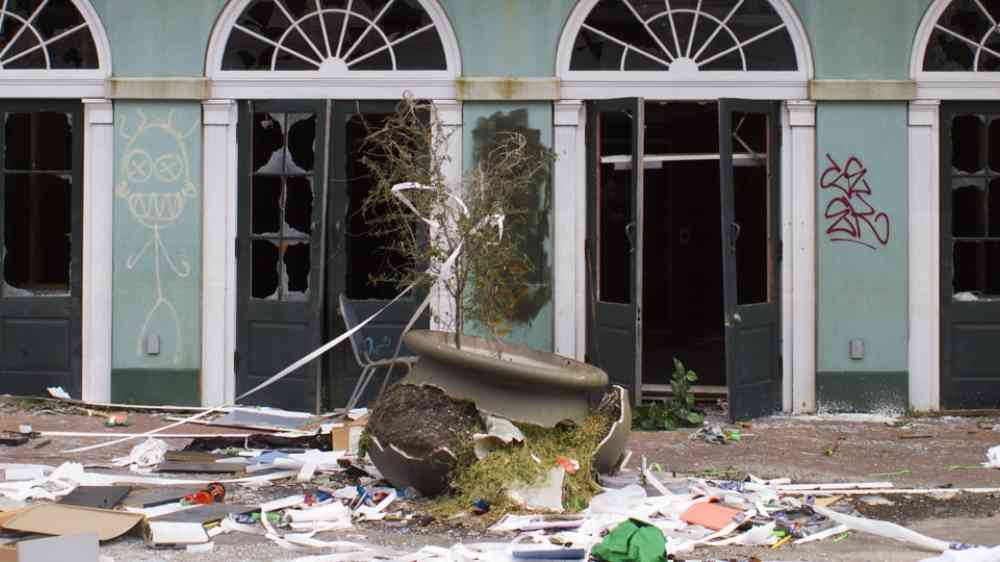
 A look inside the abandoned six-flags of New Orleans destroyed by Hurricane Katrina
Research briefs

Human-caused sea-level rise has significantly increased the frequency of extreme coastal flooding worldwide, according to a new study led by a Tulane University researcher.

Tulane University
Research briefs

Climate change could make historically rare tropical cyclones more common in Southern California, significantly expanding landslide risk across the region by 2050.

Doerr School of Sustainability, Stanford University
Research briefs

A team from the SLF studied ten different debris-flow channels in Switzerland to gain a fuller understanding of flows. The findings pave the way for the next generation of debris flow models.

WSL Institute for Snow and Avalanche Research (SLF)
Research briefs

Research published in the journal Environmental Research: Climate found that extreme heat is already influencing how people with cancer manage daily life, access care, and make treatment-related decisions.

University of Miami
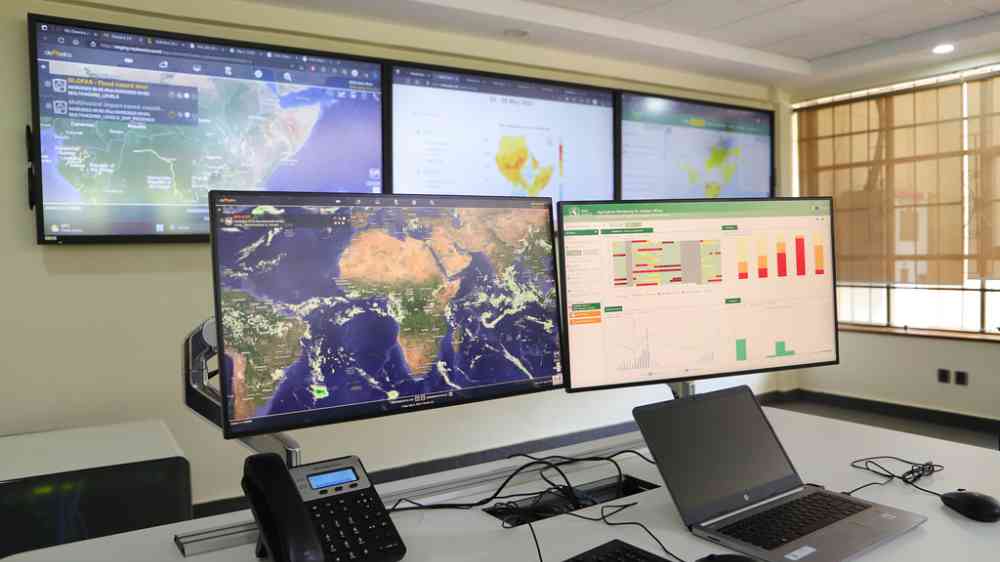
Computer screens showing maps and data
Research briefs

Researchers at the Institute of Industrial Science, The University of Tokyo (UTokyo-IIS) have developed a real-time data assimilation system that substantially improves streamflow and flood forecasting accuracy across Japan.

University of Tokyo 東京大学
Wave surge during a storm in northern France, in 2019.
Research briefs

Spring storms forming over the North Atlantic have become more common than they were 80 years ago, and this is due to climate change.

University of Gothenburg
Bulk sub-sea industrial glass fiber optic cable on a metal spool on a ship's stand. The yellow data line is coiled around a black reel in a storage yard. Internet communications spool storage yard.
Research briefs

Research led by the National Oceanography Centre has revealed that the greatest risks to subsea telecommunications cables serving small island nations are often concentrated close to island coastlines, where natural hazards and human activity overlap.

National Oceanography Centre
Person stretching arm for an Earth model at COP
Research briefs

Our novel artificial intelligence model can predict extreme storm surges with high accuracy, including under future climate conditions.

Conversation Media Group, the