Research briefs

Keep up to date with the latest research on disaster risk and resilience on the PreventionWeb knowledge base.

Explore cutting-edge research on disaster risk reduction and resilience through PreventionWeb's dedicated research briefs section. Our platform curates and highlights the most recent academic studies, providing valuable insights into disaster risk management. Each research brief distills key findings from peer-reviewed journals and academic publications.

Submit a research brief.

These briefs are designed to keep you informed about the latest scientific advances. Links to the full publications are always included, ensuring easy access to in-depth knowledge. Please note that this section exclusively features academic research, distinct from reports by international organizations or Non-Governmental Organisations.

Uploaded on
GPS satellite in the Earth's orbit
Research briefs

Researchers have developed a method of measuring the speed of river flows. Their analysis techniques could enhance the way governments and land managers currently monitor rivers, and improve the ways that floods are predicted.

University of Glasgow
Children's shadow in front of a wildfire
Research briefs

Prolonged reminders of death from long-term disasters affect people’s choices and behaviours, finds a new study by King’s College London researchers.

King's College London
Research briefs

Two new studies show that renters living along the East and Gulf coasts of the United States face rent increases, higher eviction rates, and a lack of affordable housing in the aftermath of a hurricane.

The Society for Risk Analysis (SRA)
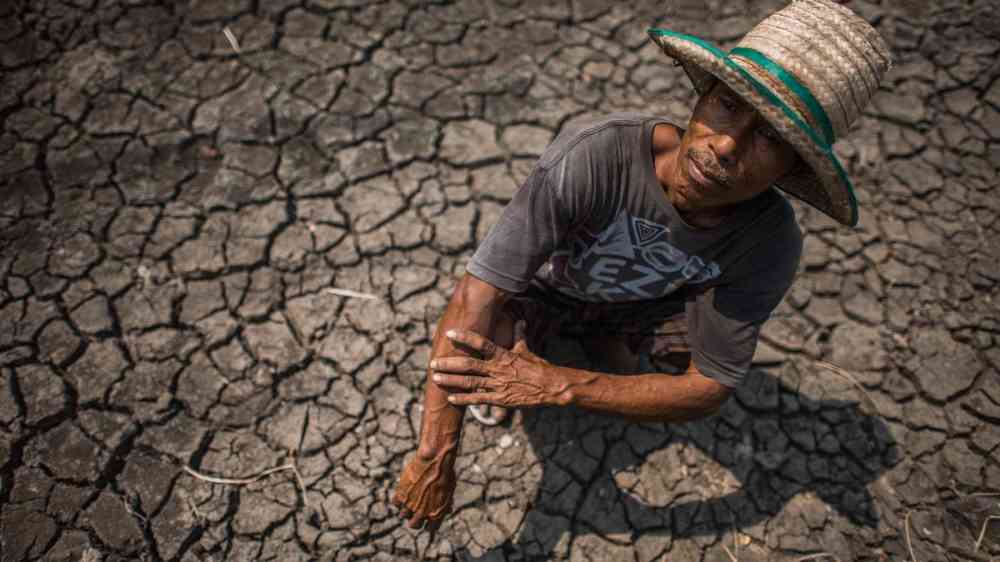
Farmer in drought-struck field
Research briefs

A new paper finds that Caribbean Islands are uniquely susceptible to sudden droughts, and advocates for alternative methodologies to more accurately measure dry conditions in the region.

Virginia Tech
Research briefs

In a new analysis of data spanning more than three decades in the eastern United States published Monday, a team of scientists found a concerning trend – an increasing number of wildfires across a large swath of America.

University of Florida
A helicopter drops water on a raging bushfire
Research briefs

Study finds radar tech could improve current wildfire prediction systems.

Ohio State University
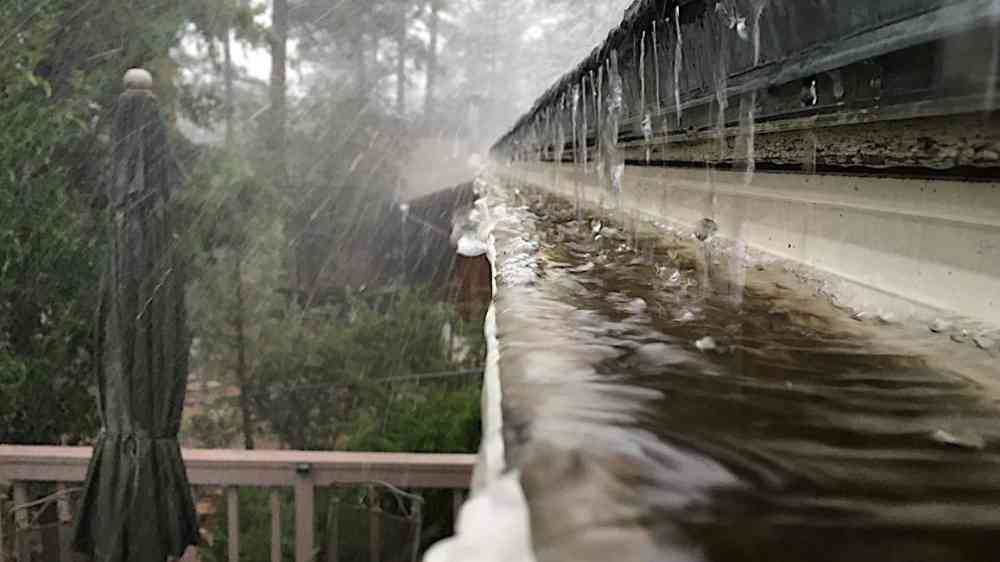
Monsoon rains in south western USA
Research briefs

Researchers of Karlsruhe Institute of Technology (KIT) have now developed a first method based on artificial intelligence (AI), by means of which the precision of coarse precipitation fields generated by global climate models can be increased.

Karlsruhe Institute of Technology
Research briefs

New research from Stanford University shows wildfires can transform a natural element in soils into a cancer-causing and readily airborne metal known as chromium.

Stanford University