Research briefs

Keep up to date with the latest research on disaster risk and resilience on the PreventionWeb knowledge base.

Explore cutting-edge research on disaster risk reduction and resilience through PreventionWeb's dedicated research briefs section. Our platform curates and highlights the most recent academic studies, providing valuable insights into disaster risk management. Each research brief distills key findings from peer-reviewed journals and academic publications.

Submit a research brief.

These briefs are designed to keep you informed about the latest scientific advances. Links to the full publications are always included, ensuring easy access to in-depth knowledge. Please note that this section exclusively features academic research, distinct from reports by international organizations or Non-Governmental Organisations.
Uploaded on
Research briefs

Forests in the coolest, wettest parts of the western Pacific Northwest are likely to see the biggest increases in burn probability, fire size and number of blazes as the climate continues to get warmer and drier, according to new modeling.

Oregon State University
Research briefs

DRI’s Anne Heggli is partnering with the National Weather Service to understand flood risk from rain-on-snow storms in real-time, protecting communities and enabling water conservation throughout Nevada and California

Desert Research Institute (DRI)
Research briefs

Recent research has brought to light the very high increase in premature births and the severe health outcomes children face due to the impacts of extreme climate change.

Earth.com
Research briefs

Extreme wildfires in coastal-central Chile have been fueled by intense and persistent fire-conducive weather conditions in the region since the beginning of the year favoring the spread of severe fires in Viña del Mar (33°S, 71°W) in early February.

World Weather Attribution
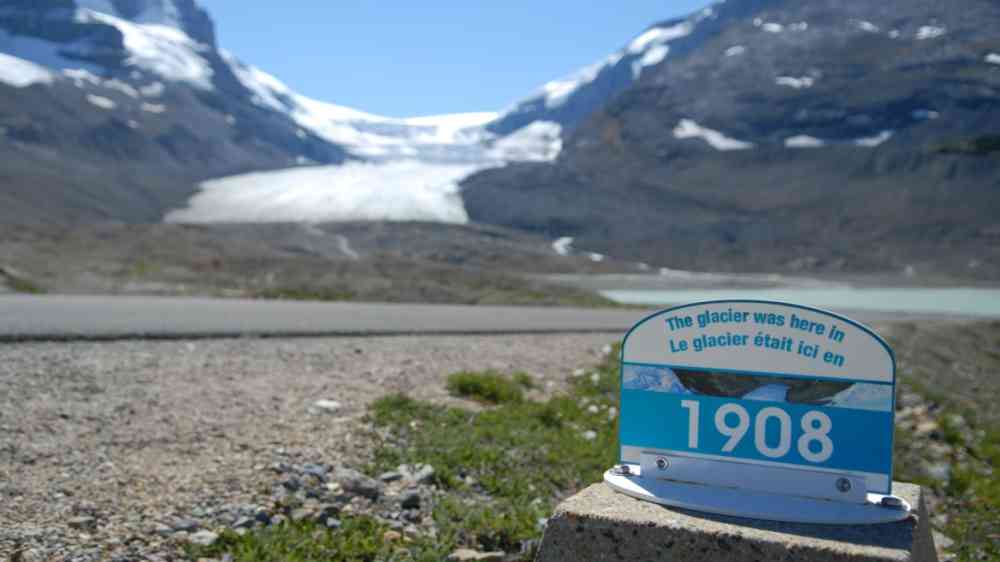
Location and date marker for glacier in Jasper National Park in Canada. Clear evidence of global warming.
Research briefs

It is not a secret that glaciers are melting, and that it causes a problem with sea levels rising, but a new way of reading, collecting, and analyzing data using AI, can make us better understand what is happening with the glaciers in the Arctic.

EurekAlert
American Association for the Advancement of Science
Research briefs

An Emory University study published Feb. 15 in Nature Mental Health shows wildfires lead to an increase of anxiety-related emergency department visits in the western United States.

Emory University
Research briefs

Scientists have successfully applied a pair of advanced computer models to simulate last year’s wildfire that devastated the Hawaiian town of Lahaina. The development could lay the groundwork for more detailed predictions of wildfires.

National Center for Atmospheric Research (NSF NCAR)
GPS satellite in the Earth's orbit
Research briefs

A novel method includes new algorithm to glean important information about atmospheric rivers from satellite observations.

Pacific Northwest National Laboratory