Research briefs

Keep up to date with the latest research on disaster risk and resilience on the PreventionWeb knowledge base.

Explore cutting-edge research on disaster risk reduction and resilience through PreventionWeb's dedicated research briefs section. Our platform curates and highlights the most recent academic studies, providing valuable insights into disaster risk management. Each research brief distills key findings from peer-reviewed journals and academic publications.

Submit a research brief.

These briefs are designed to keep you informed about the latest scientific advances. Links to the full publications are always included, ensuring easy access to in-depth knowledge. Please note that this section exclusively features academic research, distinct from reports by international organizations or Non-Governmental Organisations.

Uploaded on
Research briefs

Rice is a staple food for more than half of the world’s population, but estimates of how climate change will affect production vary widely.

Potsdam Institute for Climate Impact Research
Research briefs

Chinese scientists have developed an AI-physics based ensemble forecast system for typhoons.

Institute of Atmospheric Physics, Chinese Academy of Sciences
Research briefs

UCLA and UC Davis researchers found the strongest associations on very smoky days and in areas with cleaner air overall.

University of California, Los Angeles
Research briefs

Researchers at the FAMU-FSU College of Engineering and Florida State University’s Resilient Infrastructure and Disaster Response Center have identified how hurricane flooding can affect health long after a storm passes.

FAMU-FSU College of Engineering
Research briefs

Authors conclude rising temperatures are intensifying fire-promoting weather across Southern Europe. Although fewer fires are occurring, those that occur could be harder to control. They recommend minimizing risk through improvements in fire management.

University of Groningen
Research briefs

The University of Tokyo (UTokyo-IIS) developed a real-time data assimilation system that has significantly improved streamflow and flood forecasting accuracy across Japan and outperformed the country’s current early warning systems.

Climate Adaptation Platform (CAP)
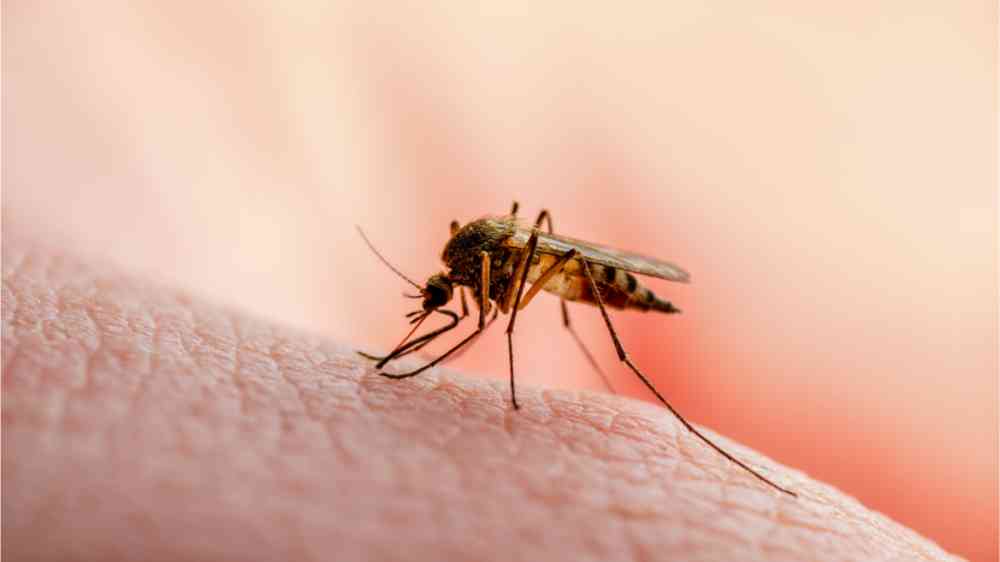
This image shows a mosquito sitting on human skin.
Research briefs

Study finds that ocean temperatures thousands of kilometers away shape soil moisture in Malawi, offering a potential tool for forecasting malaria outbreaks months in advance.

Eos - AGU
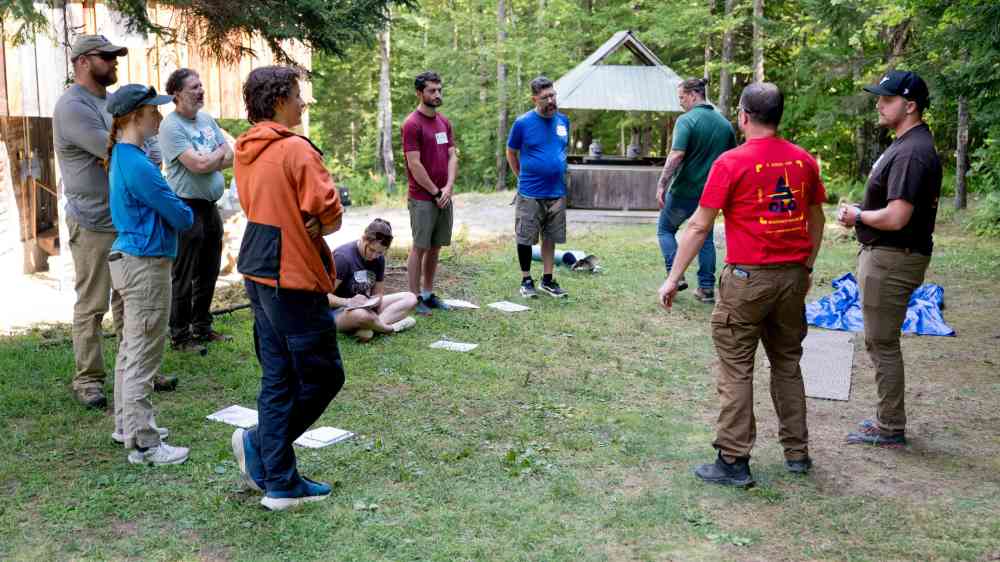
Community coming together for a briefing
Research briefs

As climate change drives more frequent disasters, rethinking disaster management is increasingly urgent. Communities already hold the knowledge, and recognising that can make disaster preparation, response and recovery far more effective.

University of New South Wales