Research briefs

Keep up to date with the latest research on disaster risk and resilience on the PreventionWeb knowledge base.

Explore cutting-edge research on disaster risk reduction and resilience through PreventionWeb's dedicated research briefs section. Our platform curates and highlights the most recent academic studies, providing valuable insights into disaster risk management. Each research brief distills key findings from peer-reviewed journals and academic publications.

Submit a research brief.

These briefs are designed to keep you informed about the latest scientific advances. Links to the full publications are always included, ensuring easy access to in-depth knowledge. Please note that this section exclusively features academic research, distinct from reports by international organizations or Non-Governmental Organisations.
Uploaded on
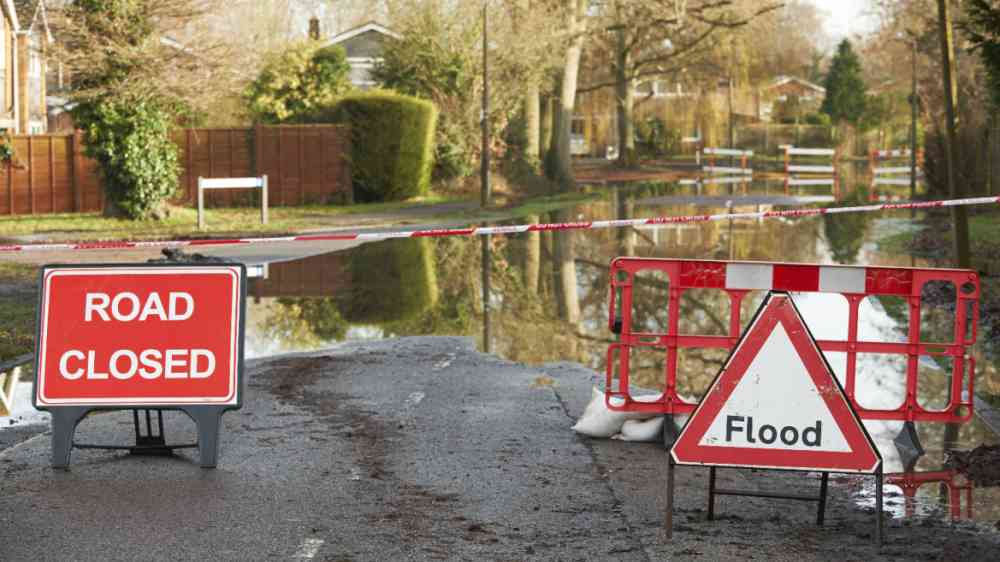
Closed road signs on an empty flooded road
Research briefs

A global flood hazard map at 30-meter resolution is constructed using latest hydrology, topography, and climate data, and its accuracy is approaching that of local to regional scale flood inundation maps.

Eos - AGU
Research briefs

A recent study analysed the use of adaptive pathways worldwide over the period of 10 years. It found that adaptive pathways planning helps to accelerate adaptation, generate new ideas, and identify path-dependency, barriers and opportunities.

Deltares
Research briefs

An international collaboration known as the Coupled Model Intercomparison Project enables teams to compare and combine various models according to standardized frameworks, strengthening climate predictions and illuminating paths for model advancement

Eos - AGU
Research briefs

Anyone who's spent their winter months around the Great Lakes has probably had the uncanny experience of living through three seasons in a single weekend. According to new research, these wild weather swings are poised to become even more common.

University of Michigan
Wildfire raging near houses
Research briefs

Researchers at Stanford Engineering have developed a sprayable gel that creates a shield to protect buildings from wildfire damage. It lasts longer and is more effective than existing commercial options.

Stanford University
Bird's eye view of El Salvador beaches
Research briefs

Bioinspired process makes marine sand more durable, resistant to erosion

Northwestern University
Silhouette electricity pylons during sunset
Research briefs

Stanford research suggests that more integrated management of electricity resources across the region could significantly reduce the risk of power outages and accelerate the transition to clean energy.

Stanford University
Research briefs

UC Davis research suggests wildfires can help management efforts.

University of California, Davis