Research briefs

Keep up to date with the latest research on disaster risk and resilience on the PreventionWeb knowledge base.

Explore cutting-edge research on disaster risk reduction and resilience through PreventionWeb's dedicated research briefs section. Our platform curates and highlights the most recent academic studies, providing valuable insights into disaster risk management. Each research brief distills key findings from peer-reviewed journals and academic publications.

Submit a research brief.

These briefs are designed to keep you informed about the latest scientific advances. Links to the full publications are always included, ensuring easy access to in-depth knowledge. Please note that this section exclusively features academic research, distinct from reports by international organizations or Non-Governmental Organisations.
Uploaded on
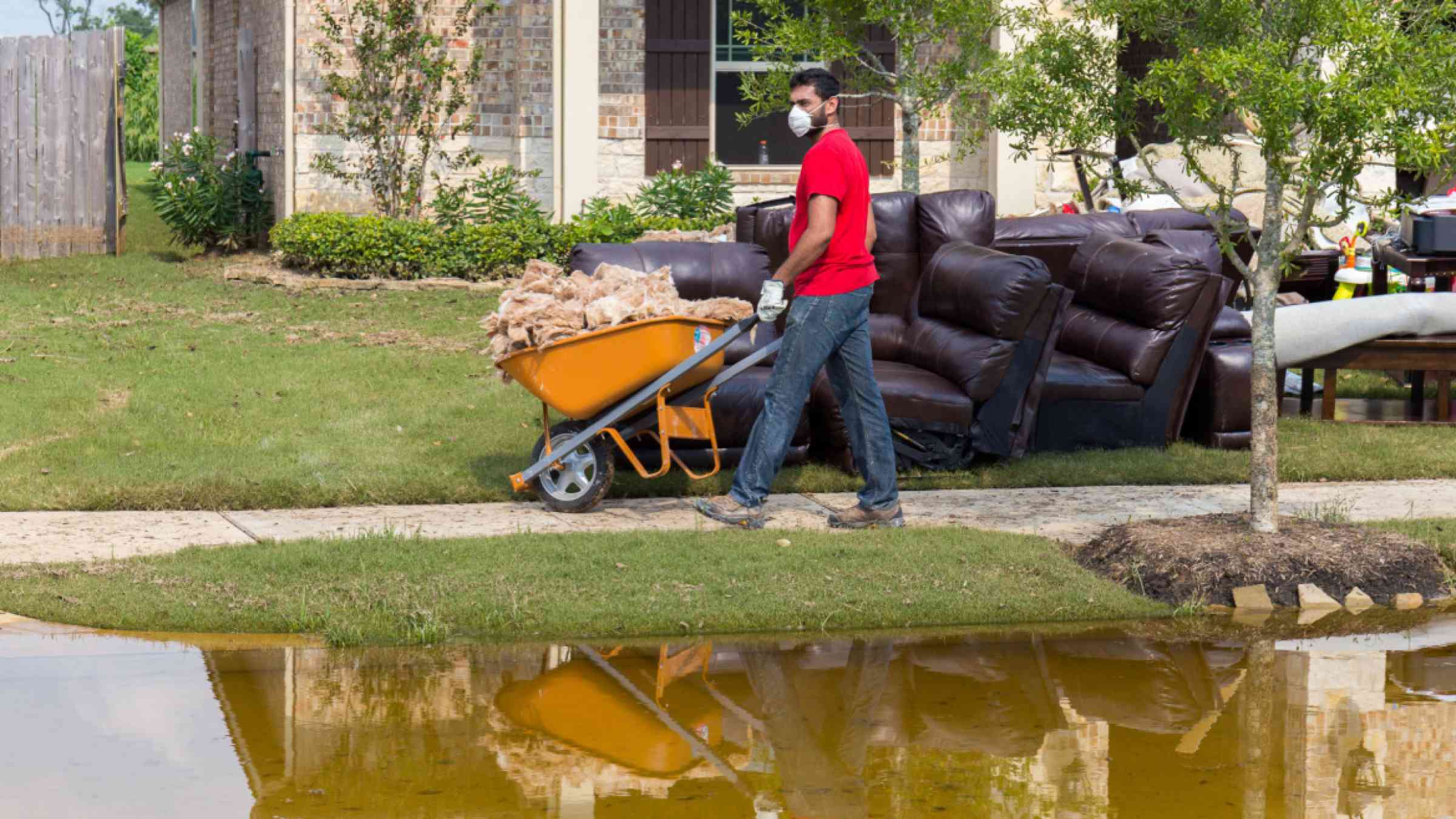
A resident of Houston, Texas carries away debris after flooding brought about by Hurricane Harvey
Research briefs

U.S. tropical cyclones, including hurricanes, indirectly cause thousands of deaths for nearly 15 years after a storm. Understanding why could help minimize future deaths from hazards fueled by climate change.

Stanford University
Avalanche on a mountain close to a building
Research briefs

Analysis of forty years of data shows the importance of intervention from fellow excursionists.

European Academy of Bozen/Bolzano
Research briefs

The findings underscore the importance of further research to enhance our understanding of urban heat dynamics in subtropical and tropical regions, ensuring that heat mitigation efforts are informed by the most accurate data available.

University of Miami
Research briefs

Until now, the cause of the Hunga Tonga volcano eruption has remained largely a mystery to the scientific community, yet a student-led team of ANU seismologists has been able to shed new light on the natural explosion that initiated the event.

Australian National University
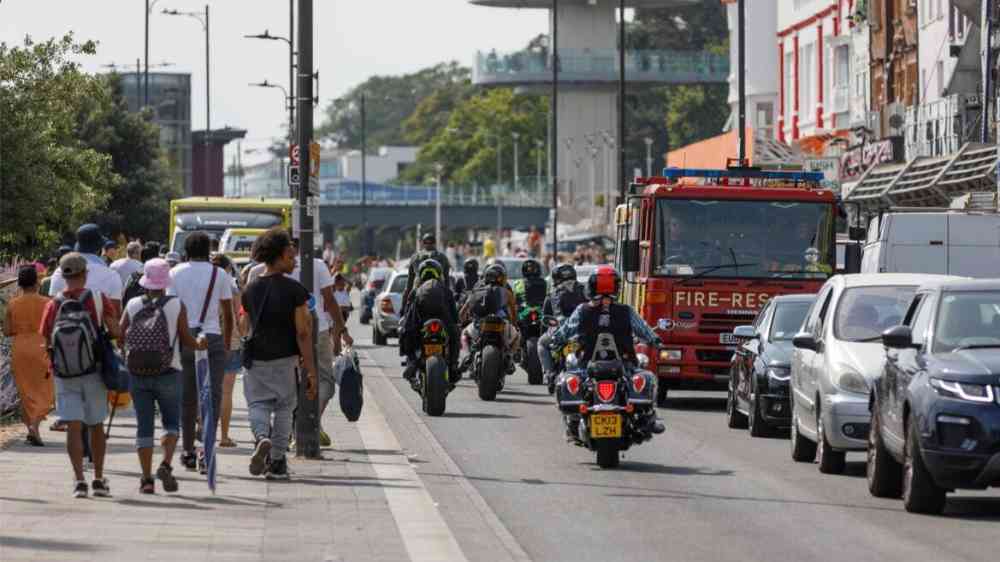
Street busy with people and traffic during the UK heatwave
Research briefs

A groundbreaking new study by a team of researchers from Arizona State University, University of Washington and the University of Texas at Austin reveals that extreme heat significantly alters how people go about their daily lives.

Arizona State University
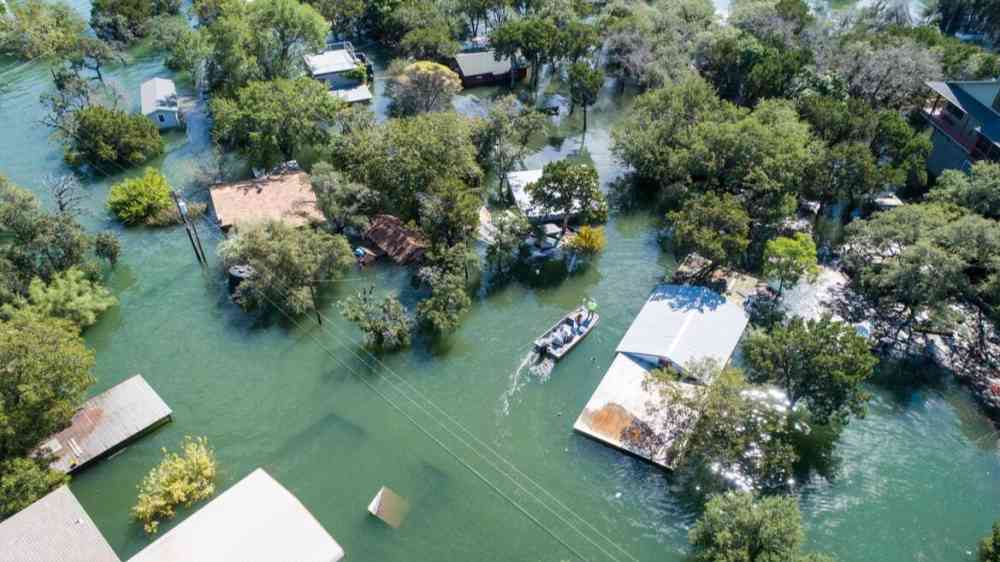
Aerial picture of a flooded Texan residential area
Research briefs

The US federal government instituted a program in 1990 that helps reduce flood insurance costs in communities enacting measures to better handle flooding. However, a new study shows that the effects of the program differ greatly from place to place.

MIT Press, the
Prison
Research briefs

MIT researchers found that overcrowding, poor staffing, and restricted movement worsen heat risks in U.S. prisons. Southwestern prisons face the highest heat, and climate change is worsening conditions, especially for non-white and Hispanic populations.

MIT News, Massachusetts Institute of Technology
A helicopter drops water on a raging bushfire
Research briefs

The number of days per year that are simultaneously extremely hot, dry, and have a high fire risk have as much as tripled since 1970 in some parts of South America.

PhysOrg, Omicron Technology Ltd