Research briefs

Keep up to date with the latest research on disaster risk and resilience on the PreventionWeb knowledge base.

Explore cutting-edge research on disaster risk reduction and resilience through PreventionWeb's dedicated research briefs section. Our platform curates and highlights the most recent academic studies, providing valuable insights into disaster risk management. Each research brief distills key findings from peer-reviewed journals and academic publications.

Submit a research brief.

These briefs are designed to keep you informed about the latest scientific advances. Links to the full publications are always included, ensuring easy access to in-depth knowledge. Please note that this section exclusively features academic research, distinct from reports by international organizations or Non-Governmental Organisations.


Uploaded on
Research briefs

Despite high flood risk and development pressure, 85% of New Jersey towns avoided floodplain development by consistently applying zoning and building regulations. Tailored use of standard tools effectively limited construction in flood-prone areas.

Earth Observatory of Singapore - Nanyang Technological University
Sea level rise in Tangier VA
Research briefs

A new study finds that providing risk-exposed coastal residents with maps of projected sea-level rise was found to reduce individual concern. By contrast, emphasizing infrastructure disruptions increased concern among all coastal residents.

Yale Program on Climate Change Communication
People carrying umbrellas to protect themselves from the sun and heat in the USA.
Research briefs

Researchers discovered that trees, rather than roof treatments, provided the best relief from the heat in the most vulnerable areas of Houston.

The University of Texas at Austin
Research briefs

The World Weather Attribution (WWA) initiative was founded in 2014 aiming to study where climate change played a key role and where other factors were the main drivers of the events.

World Weather Attribution
Research briefs

From rockfall to ice avalanches, climate change is altering natural hazards in the Alps.

Swiss Federal Research Institute for Forest, Snow and Landscape Research (WSL)
Big storm approaching the coastal front in Australia
Research briefs

The acceleration is primarily driven by intensified atmospheric winds, leading to increased oceanic currents that are both stronger and shallower, with potential impacts on regional and global climate patterns, including El Niño and La Niña events.

University of Miami
Bushfire, Australia
Research briefs

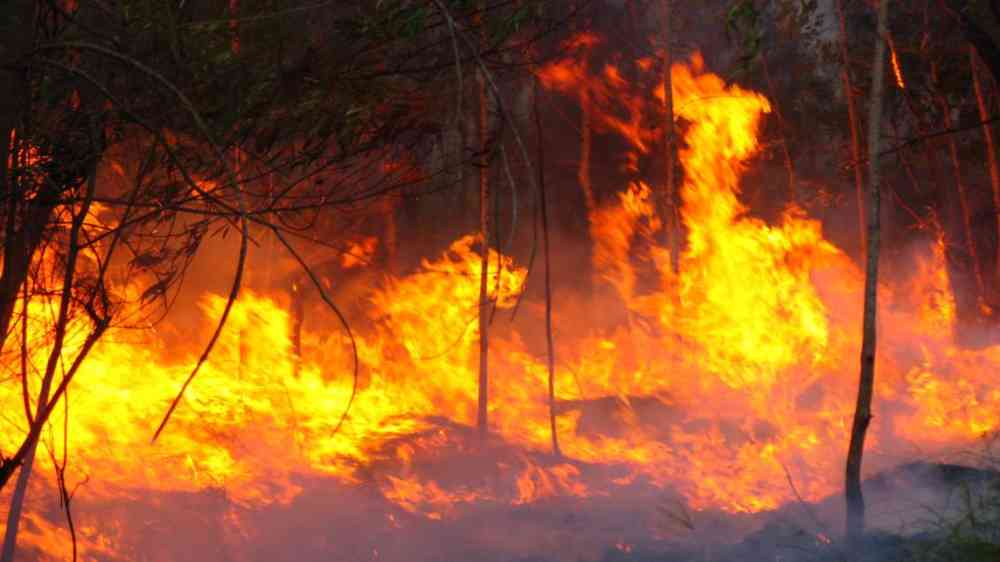
Deep-time research shows how important Indigenous cultural practices were for reducing dangerous high-intensity fires. It also suggests a way forward in Autralia's current fire crisis, which climate change is making worse.

Conversation Media Group, the
Research briefs

Climate change is causing more extreme fire weather in Australia, rising sea levels, more intense and frequent marine heatwaves, and more acidic oceans. Serious consequences await Australia's environment and communities.

Conversation Media Group, the