Research briefs

Keep up to date with the latest research on disaster risk and resilience on the PreventionWeb knowledge base.

Explore cutting-edge research on disaster risk reduction and resilience through PreventionWeb's dedicated research briefs section. Our platform curates and highlights the most recent academic studies, providing valuable insights into disaster risk management. Each research brief distills key findings from peer-reviewed journals and academic publications.

Submit a research brief.

These briefs are designed to keep you informed about the latest scientific advances. Links to the full publications are always included, ensuring easy access to in-depth knowledge. Please note that this section exclusively features academic research, distinct from reports by international organizations or Non-Governmental Organisations.

Uploaded on
Coast of Tenerife island
Research briefs

A new study, uses novel and innovative approaches – involving km-scale models captured in the figure below and compared with global and regional models – to produce relevant climate projections over vulnerable territories.

Centro Euro-Mediterraneo sui Cambiamenti Climatici (CMCC)
Research briefs

A new study reveals that over 37 million people-more than 11 percent of the US population-are at high risk from compounded effects of environmental hazards such as water shortages, air pollution, wildfires, flooding, and impaired water quality.

University of Tennessee Knoxville
Research briefs

A new study highlights the “safe development paradox,” where areas adjacent to regulatory “high risk” zones are less expensive to develop and viewed as safe for home buyers, driving up risky development in potentially vulnerable areas.

United States Geological Survey (USGS)
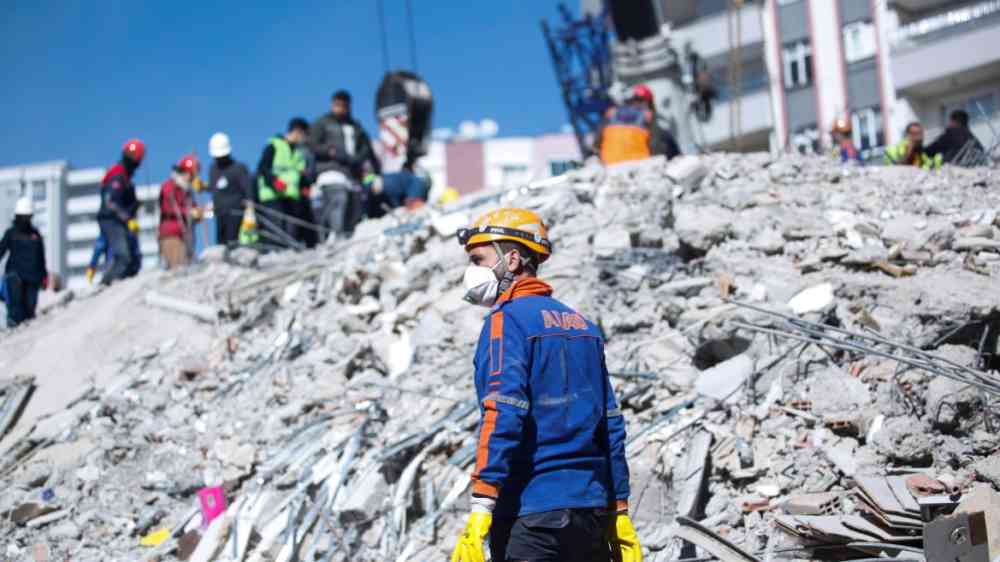
A 7.8 earthquake struck Turkiye and Syria in February 2023.
Research briefs

A new study finds how migration plays a role in concentrated earthquake fatalities in suburban areas. Migrant workers in the suburbs are especially at risk as they tend to live in low-quality housing that is likely to suffer greater earthquake damage.

University of Washington
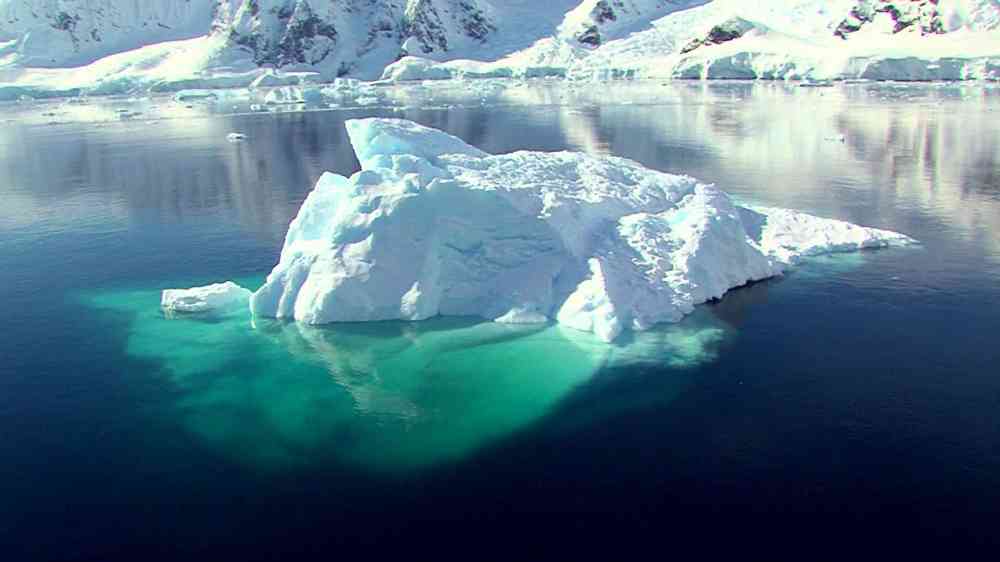
An iceberg floats in the sea
Research briefs

A study finds that increased crevassing in the Greenland ice sheet could lead to a feedback loop that accelerates ice loss from the glacier, which ultimately raises sea levels.

University of Florida
Research briefs

A new study reveals that people under 35 are surprisingly vulnerable to extreme heat, accounting for 75 percent of heat-related deaths.

Columbia University’s School of International and Public Affairs
Big storm approaching the coastal front in Australia
Research briefs

Both Guam and Vanuatu are exposed to climate change impacts such as sea level rise and intensifying extreme weather. However, their country-specific political and economic contexts mean that similar climate change impacts can have different implications.

Toda Peace Institute
A brown rat
Research briefs

Hotter weather makes it easier for rodents to feed and breed. Washington, D.C. saw a 390 percent increase in rats over the last decade.

Grist Magazine