Research briefs

Keep up to date with the latest research on disaster risk and resilience on the PreventionWeb knowledge base.

Explore cutting-edge research on disaster risk reduction and resilience through PreventionWeb's dedicated research briefs section. Our platform curates and highlights the most recent academic studies, providing valuable insights into disaster risk management. Each research brief distills key findings from peer-reviewed journals and academic publications.

Submit a research brief.

These briefs are designed to keep you informed about the latest scientific advances. Links to the full publications are always included, ensuring easy access to in-depth knowledge. Please note that this section exclusively features academic research, distinct from reports by international organizations or Non-Governmental Organisations.
Uploaded on
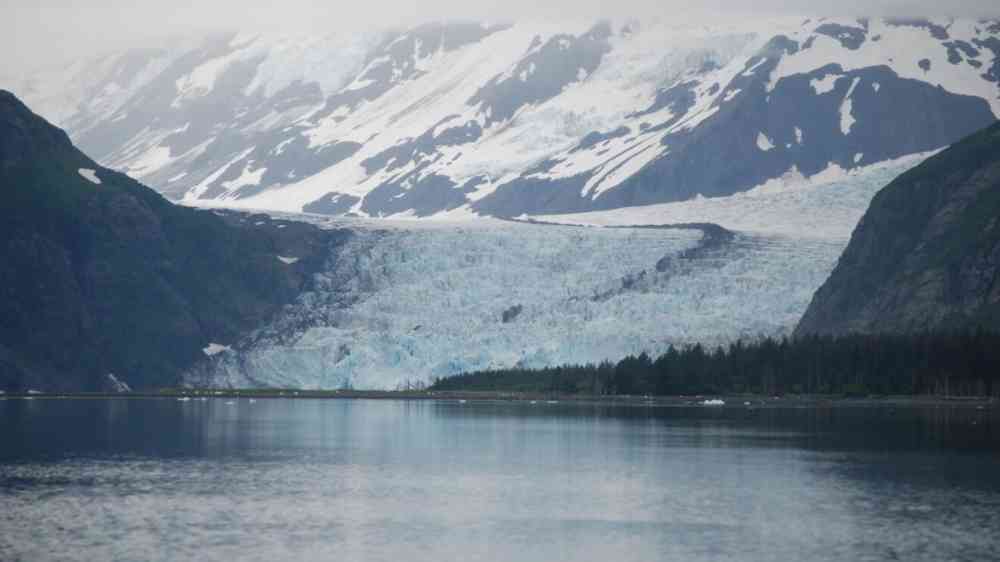
A view of Surprise Glacier from the ocean in western Prince William Sound, AK
Research briefs

An international effort involving 35 research teams finds that glaciers have been losing an average of 273 billion tonnes of ice per year since the year 2000 – but hidden within this average there has been an alarming increase over the last 10 years.

European Space Agency
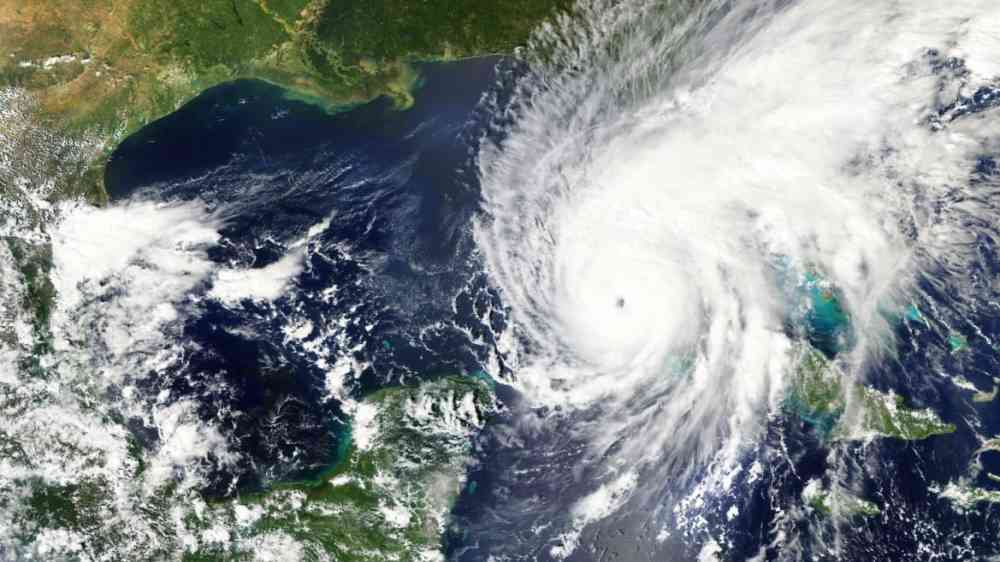
Satellite image of Hurrican Ian heading towards Florida, USA.
Research briefs

Hurricanes are likely to become more frequent and more intense in both the Atlantic and eastern Pacific oceans over the next decade, a new study has shown, spelling increased danger for coastal communities across North and Central America.

University of Reading
Research briefs

Extreme weather events are becoming more frequent as a result of climate change. Persistent cut-off low systems can lead to long periods of heavy precipitation and raise flood risks across Europe, Asia, and North America.

University of Graz
Research briefs

Tasmania has been burning for more than two weeks, with no end in sight. Almost 100,000 hectares of bushland in the northwest has burned to date. This includes the Tarkine rainforest and alpine ecosystems of Cradle Mountain that may never recover.

Conversation Media Group, the
Research briefs

Research examines how disaster risk informs housing location and design in New South Wales, Victoria and Western Australia. Authors spoke to planners, developers, insurers and housing providers, and found crucial problems that leave communities exposed.

Conversation Media Group, the
A man treks the banks of a lake high up Nepal near Mt. Everest
Research briefs

Although glaciers are melting worldwide and cause growing and potentially unstable lakes, many regions are threatened by smaller glacial lake floods, a new study finds.

University of Potsdam (UP)
Research briefs

New research shows that a 20 per cent increase in heatwave-related deaths due to human-induced climate change and that people living in cities are at a higher risk of dying from heatwaves than regional areas.

University of Queensland
Research briefs

For the first time scientists have integrated various modern space geodetic techniques, particularly satellite positioning data, to monitor the subsidence of vertical bedrock and successfully quantify summer water storage in the Greenland ice sheet.

Hong Kong Polytechnic University