Research briefs

Keep up to date with the latest research on disaster risk and resilience on the PreventionWeb knowledge base.

Explore cutting-edge research on disaster risk reduction and resilience through PreventionWeb's dedicated research briefs section. Our platform curates and highlights the most recent academic studies, providing valuable insights into disaster risk management. Each research brief distills key findings from peer-reviewed journals and academic publications.

Submit a research brief.

These briefs are designed to keep you informed about the latest scientific advances. Links to the full publications are always included, ensuring easy access to in-depth knowledge. Please note that this section exclusively features academic research, distinct from reports by international organizations or Non-Governmental Organisations.

Uploaded on
Firefighter battling a urban fire in Los Angeles
Research briefs

With intense, destructive fires often in the news, it can seem like more land is burning. Globally, however, our team of fire researchers also found that the total area burned actually declined by 26% over those two decades.

Conversation Media Group, the
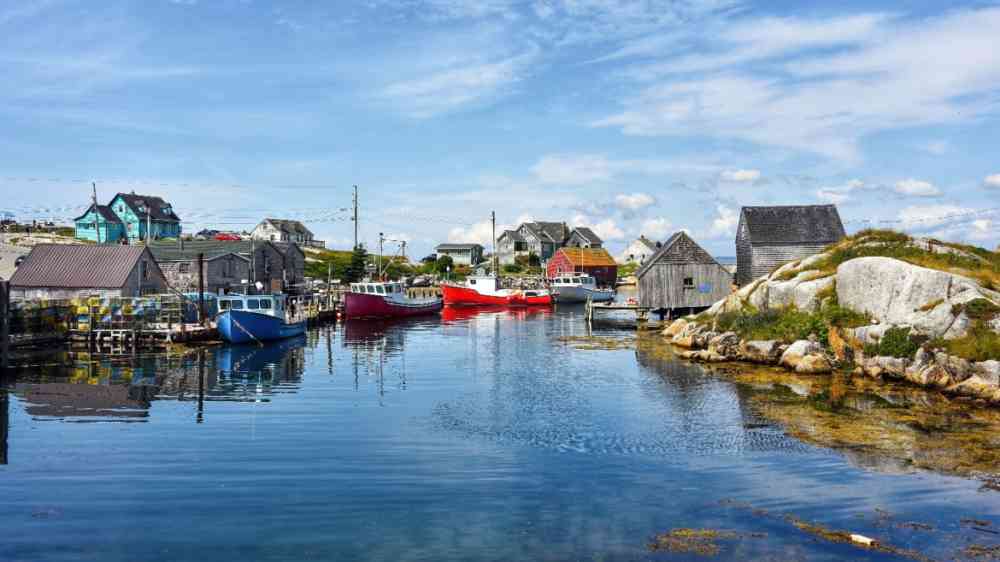
The fishing Village of Peggy's Cove, Nova Scotia, not far from Halifax, is a very popular tourist attraction for sight seeing
Research briefs

A research project I led with colleagues, Work-Life in Canada, reinforces this truth, revealing how climate change shapes not just what we do for work and under what conditions, but who we are and how we understand ourselves.

Conversation Media Group, the
Research briefs

Until now, systems that collect public health information haven’t been connected to data about the climate and environment, making it difficult to anticipate how climate change impacts people’s health.

Harvard T.H. Chan School of Public Health
Aerial view of a young eucalyptus forest plantation, in neat ordered rows
Research briefs

The odds of high-severity wildfire were nearly one-and-a-half times higher on industrial private land than on publicly owned forests, a new study found. Forests managed by timber companies were more likely to exhibit the conditions that megafires love.

University of Utah
Heatwave on the city
Research briefs

Heat waves — prolonged periods of abnormally hot weather — influence egg prices, energy bills and even public transit. And they’re becoming more common as temperatures increase.

University of Illinois Chicago (UIC)
The view of Nakhu river was flooded and hit the banks and houses during heavy rains in Lalitpur, Nepal
Research briefs

A new study has revealed a stark and growing inequality in urban flood exposure across the globe, with developing nations facing risks that are multiples higher than their wealthier counterparts.

Chinese Academy of Sciences
Research briefs

It seems severe weather alerts can indeed move stock prices. This was unexpected, as alerts are simply warnings, not actual disasters. Yet they are enough to shift market values.

Conversation Media Group, the
Research briefs

People who live near active volcanoes need alerts they can trust. False alarms wear down that trust, while missed warnings put lives at risk. Scientists are testing a signal within earthquake waves called shear-wave splitting that may help.

Earth.com