My account
Menu
Your experience on PreventionWeb

Please help us improve PreventionWeb by taking this brief survey. Your input will allow us to better serve the needs of the DRR community.

See the survey

Published on
19 April 2023
Status
Active

Underlining the risk and preventing disasters for Atakum Municipality

Expected duration
Jan 2023 - Jan 2024
SFVC commitment ID
20230130_001
Version
3.0
Author
cansu ergül
Upload your content

The Atakum Municipality is implementing measures to raise disaster awareness and preparedness in line with the Provincial Disaster Risk Reduction Plan (IRAP) of Turkey.

    Description

    The Provincial Disaster Risk Reduction Plan (IRAP) is a plan that reveals the disastrous nature of the province and the possible effects of disasters, and shows the actions to be taken without disasters in order to minimize these effects, and defines those responsible. With this system, the Disaster and Emergency Management Authority (AFAD) of Turkey identified risky places in the city and determined the liability of the risks to the municipalities.

    Atakum Municipality is taking part in this program to fulfill their obligations on the subject and support the implementation of the local disaster risk reduction plan. Atakum Municipality is committed to improving the disaster preparedness of the population through different measures including the creation of disaster and emergency assembly areas, establishment of the civil defence unit, formation of search and rescue team, and the use of a mobile earthquake simulation tool to build the population’s capacity to respond to disasters.

    In case of rain and flood, since the flowing mud prevents the flow, the drainpipe chimneys and grates need to be cleaned, the Atakum Municipality has also procured a vacuum truck service. There are 4 diesel submersibles, 6 electric submersibles, 11 gasoline submersibles, and 6 large submersible water pumps. In addition, there are 5 generators in certain areas of the municipality for emergency purposes.

    Did the Sendai Framework change or contribute to changes in your activities/organization? If so, how?

    In line with national government and provincial plans, Atakum Municipality is ensuring their contribution to meeting a key target in the Sendai Framework, Target (E) which seeks to increase the number of countries with national and local strategies for DRR.

    What led you to make this commitment/initiative?

    What was your position before making this Voluntary Commitment / prior to the Sendai Framework?

    Turkey is one of the top countries with the highest earthquake-related casualties and number of people affected. In addition to earthquakes, it is also prone to floods and landslides. Because of this, it is important to prepare the population for these risks to avoid disasters.

    Atakum is a central district in Samsun located in the northern coast of Turkey. While previous work has been done in Atakum District Municipality for disaster risk reduction and preparedness, it was found to be insufficient and limited. The local government of Atakum is keen to make the district safer and more resilient against natural hazards by building on the previous situation and implementing additional measures for disaster preparedness.

    Deliverables and Progress report

    Deliverables

    Deliverables are the end-products of the initiative/commitment, which can include issuance of publications or knowledge products, outcomes of workshops, training programs, videos, links, photographs, etc.

    Establishment of civil defense unit
    Intended date of delivery
    31 January 2023

    A civil defense regulation on disasters has been prepared. A new unit under the name of 'civil defense expertise' was established within the municipality. This unit will ensure that the regulations are adhered to and propose other activities to increase disaster resilience of the municipality.

    File
    Establishment of civil defense unit (3.21 MB)
    Creation of disaster and emergency assembly areas
    Intended date of delivery
    31 March 2023

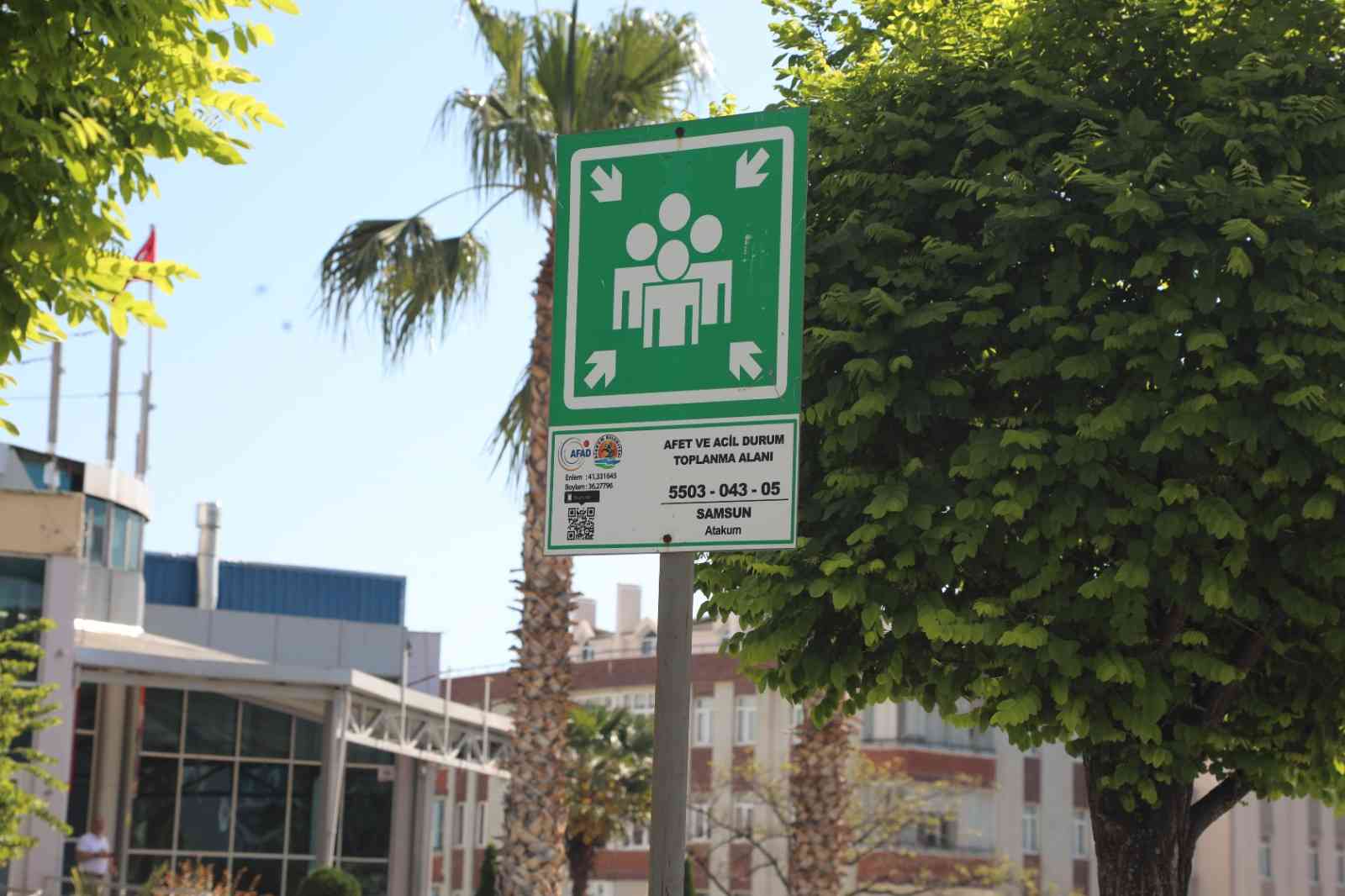
    166 disaster and emergency assembly areas have been determined in the district. Barcode 'disaster and emergency assembly area' signs have been placed in these areas. It will be ensured that the assembly areas are marked on the map on the municipality's website. This will ensure easy access of citizens to these areas and create disaster awareness among citizens.

    File
    teslimat 2 sistem.pdf (827.48 KB)
    Formation of search and rescue team
    Intended date of delivery
    30 June 2023

    A municipal search and rescue team will be formed in order to intervene immediately in disasters and emergencies. Teams will be given training on the necessary issues.

    Mobile earthquake simulation training tool
    Intended date of delivery
    31 October 2023

    Mobile Earthquake Simulation Training Tool will be purchased in order to contribute to the creation of the right reflex for the moment of disaster and ensure that communities are well prepared for disasters.

    Organizations and focal points

    Implementing Organization(s)

    • Atakum Belediyesi

    Focal points

    Main focal point
    cansu ergül (environmental engineer, Atakum municipality)
    Additional focal point(s)
    atilla küçükala (başkan yardımcısı, atakum belediyesi)

    Explore further

    Sendai priorities
    Priority 2Strengthening disaster risk governance to manage disaster risk
    Priority 4Enhancing disaster preparedness for effective response, and to «Build Back Better», rehabilitation and reconstruction
    Sendai targets and indicators
    A-1 (Compound)Number of deaths and missing persons attributed to disasters, per 100,000 population
    B-1 (Compound)Number of directly affected people attributed to disasters, per 100,000 population
    D-5 (Compound)Number of disruptions to basic services attributed to disasters (compound indicator)
    E-2 (Compound)Percentage of local governments that have adopted and implemented local disaster risk reduction strategies in line with national strategies
    Hazards Avalanche Earthquake Flood Landslide Technological hazard
    Themes Preparedness Early warning Education and school safety Fragility and conflict Risk identification and assessment
    Country and region Türkiye
    Sustainable Development Goals SDG11: Sustainable cities and communities
    Budget scale
    USD 10,000 to < 50,000
    Scope
    National (or local) - Türkiye
    Scale of beneficiaries
    More than 10,000 people
    Estimated number of beneficiaries
    238,702 people
    Secured budget size
    80%
    X (Twitter)
    https://twitter.com/atakumbeltr
    Related links
    Samsun Provincial Disaster Risk Reduction Plan

    Is this page useful?

    Yes No
    Report an issue on this page

    Thank you. If you have 2 minutes, we would benefit from additional feedback (link opens in a new window).

    PreventionWeb is the global knowledge sharing platform for disaster risk reduction (DRR) and resilience.

    • Newsletter
    • Submit your content
    • Blog pitches
    • Submission and publishing policy
    • About PreventionWeb
    • Contact us

    Hazards

    • Avalanche
    • Cold Wave
    • Cyclone, Hurricane and Typhoon
    • Drought and Desertification
    • Earthquake
    • Epidemic and pandemic
    • Flood
    • Heatwave, extreme heat and heat stress
    • Insect infestation
    • Land subsidence
    • Landslide
    • Nuclear, biological, chemical (NBC)
    • Sea level rise
    • Technological hazard
    • Thunderstorm
    • Tornado
    • Tsunami
    • Volcano
    • Wildfire

    Regions

    • Africa
    • Americas
    • Asia
    • Europe
    • Oceania

    Themes

    Understanding & managing risk

    • Preparedness
    • Early warning
    • GIS and mapping
    • Data and information management
    • Risk identification and assessment
    • Small Island Developing States
    • Earth Observation

    Natural environment

    • Climate change
    • Environment and ecosystems
    • Food security and agriculture
    • Water

    Cross-cutting

    • Systemic risk
    • Recovery

    Human development

    • Capacity development
    • Children and youth
    • Civil society / NGOs
    • Community-based DRR
    • Cultural heritage
    • Gender
    • Human mobility
    • Inclusion
    • Social impacts and resilience

    Science, knowledge & advocacy

    • Disaster risk communication
    • Traditional and Indigenous knowledges
    • Science-policy-practice interface

    State, governance & economy

    • Financing DRR
    • Fragility and conflict
    • Governance
    • Insurance and risk transfer
    • Private sector

    Infrastructure & critical services

    • Critical infrastructure
    • Education and school safety
    • Health and health facilities
    • Structural safety
    • Urban risk and planning
    Loading