Cold Wave
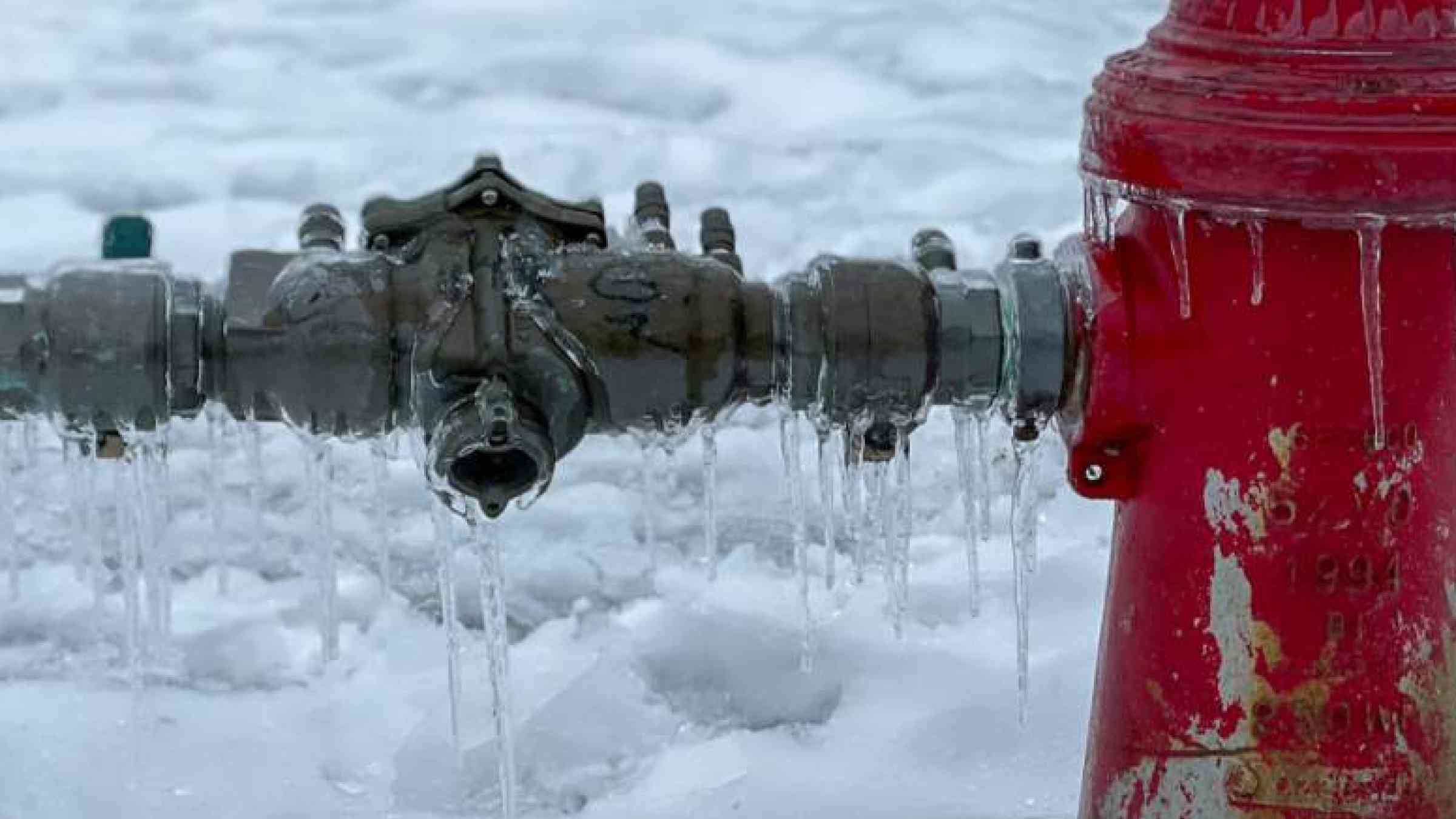
A cold wave is a period of marked and unusual cold weather characterized by a sharp and significant drop in air temperature near the surface (maximum, minimum and daily average) over a large area and persisting below certain thresholds for at least two consecutive days during the cold season (WMO, 2020).
The World Meteorological Organization guidelines on the definition and monitoring of extreme weather and climate events advise the following (WMO, 2020):
- Index: Daily values of Tmax, Tmin, and /or average temperature. Another index could be computed using temperature change in the 24 hours prior to the onset of the event.
- Threshold: Determined based on historical values of the index.
- Temporal: Station-level information on starting date, ending date, and duration of the event. Persistence of conditions for a cold wave are two days.
- Spatial: Calculate the area affected, by providing the percentage of stations where the threshold was surpassed; locate the coordinates of the impacted stations and the centre with the highest/lowest values of the indices; and optional, but recommended if resources are available, to use a geographical information system (GIS) to calculate the area affected by the event, the magnitude, and severity.
This hazard category also includes Dzud which is a cold-season disaster in which anomalous climatic (i.e., heavy snow and severe cold) and/or land-surface (snow/ ice cover and lack of pasture) conditions lead to reduced accessibility and/or availability of forage/pastures, and ultimately to high livestock mortality during winter–spring. This page also contains content on Blizzard which is a severe snow storm characterised by poor visibility, usually occurring at high-latitude and in mountainous regions.
Vulnerability
Human health impacts from cold waves include mortality from ischaemic heart disease and cerebrovascular disease, both of which increase in cold weather.
Living in a cold house can affect health at any age, not just in old age, for a variety of reasons. Although the extra deaths in elderly people are caused mainly by cardiovascular and respiratory disease, far greater numbers have minor ailments that lead to a huge burden of disease, costs to the health system, and misery.
Compared with those who live in a warmer house, respiratory problems are roughly doubled in children, arthritis and rheumatism increase, and mental health can be impaired at any age. Adolescents who live in a cold house have a five-fold increased risk of multiple health problems (Dear and McMichael, 2011).
Risk reduction measures
To reduce impacts related to cold waves, countries have used national alerting parameters for cold wave warning or cold weather plans, which help prevent major avoidable effects on health (HIP, 2021).