Extreme weather events attribution

Introduction
Can we really know how climate change has influenced the severity of extreme weather events?
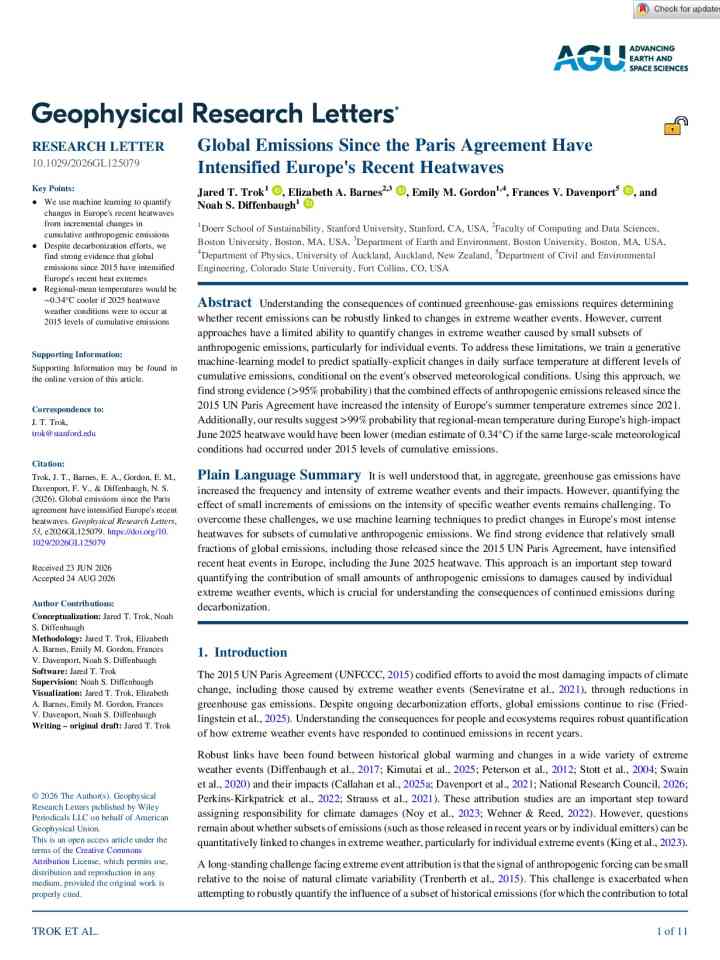
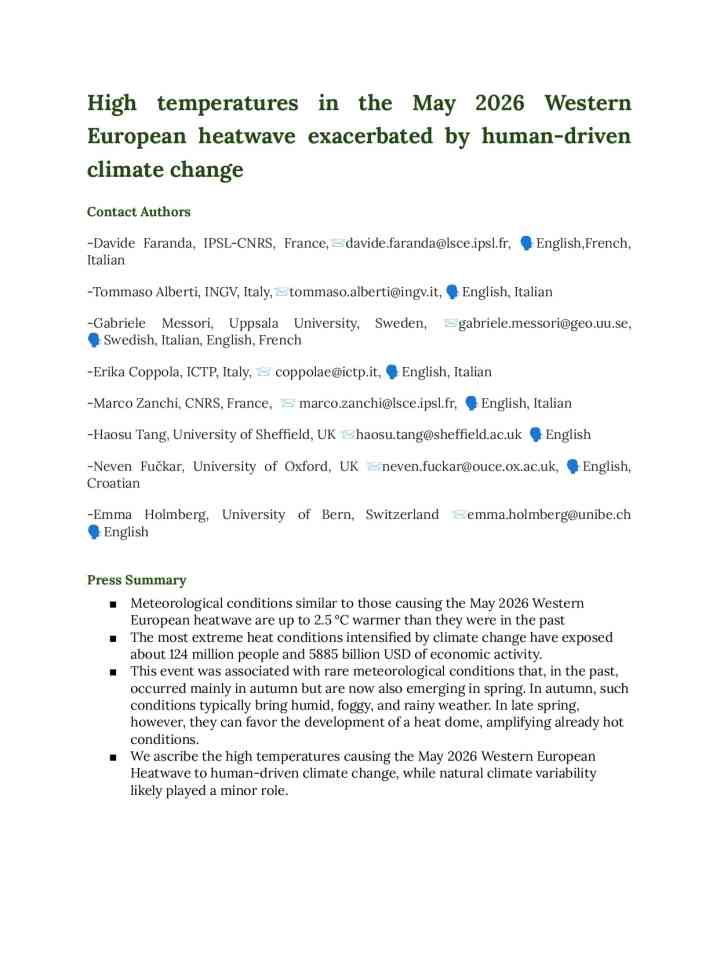
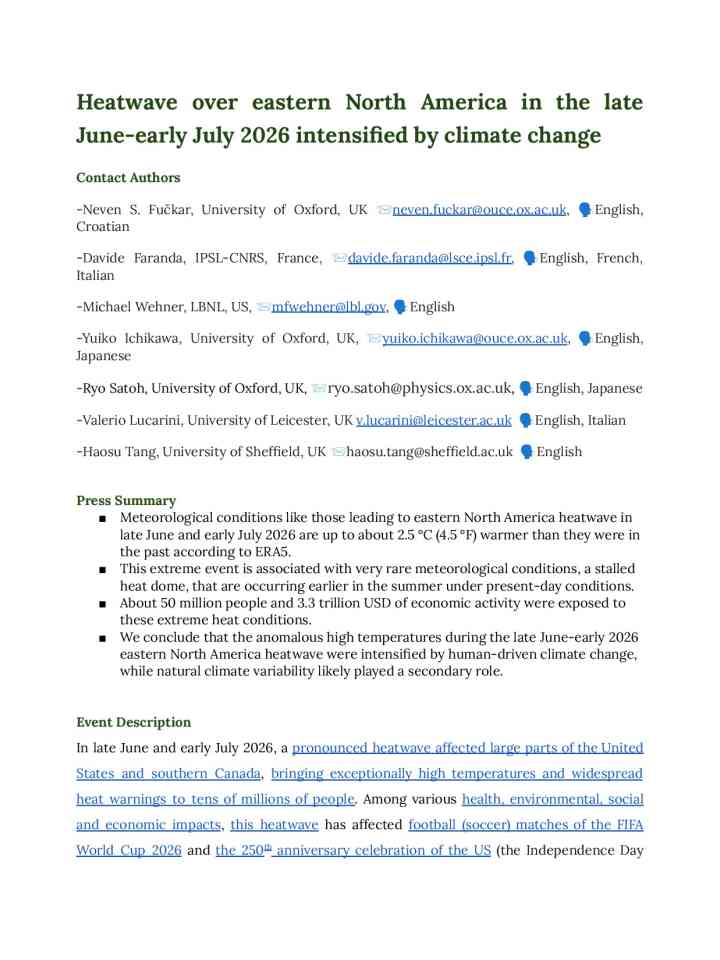
Attribution science works by comparing two versions of the same event: the climate we actually observed, and a modelled version without human-caused emissions. As computing power and climate science advance, these models keep getting sharper.
Scientists apply rigorous, objective methods to assess whether an individual heatwave, flood, wildfire, storm or drought was made more likely, more severe, and by how much.
This video explains attribution science, a rapidly growing field measuring how climate change affects extreme weather events.
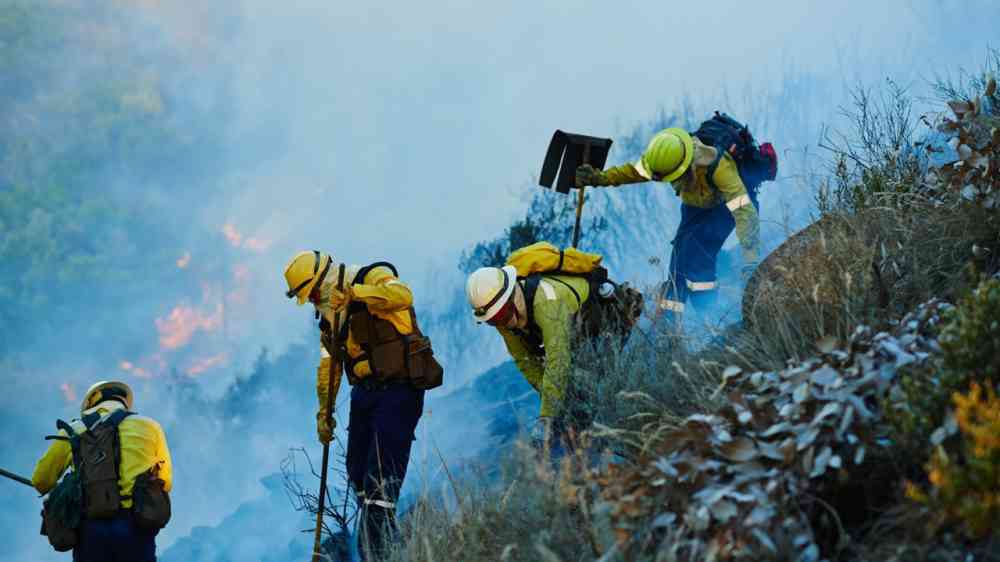
Our understanding of wildfires shows how far this field has come. A decade ago, wildfires ranked among the hardest hazards to attribute, given the complex mix of weather and vegetation driving individual fires. Scientists can now confidently attribute the hot, dry fire weather behind large wildfires, a hallmark of compound disasters where heat and drought fuel fires that trigger cascading impacts such as smoke and flooding.
That evidence base feeds directly into disaster risk reduction, climate action and resilience planning, giving decision-makers a clearer picture of how the changing climate connects to actual disasters being experienced. Explore attribution studies of specific disasters as well as resources on attribution science to communicate the linkages between extreme weather events and climate change.