
Test messages with real audiences before disasters strike.

Pre-testing is a critical step in effective disaster risk communication. It helps ensure that messages are clear, relevant, acceptable, and actionable before they are widely shared—especially in high-pressure emergency contexts where misunderstandings can have serious consequences.
Pre-testing involves sharing draft communication content with members of the intended audience to gather feedback and make adjustments. This can apply to many formats, including alerts, talking points, press statements, social media posts, radio programmes, videos, visuals, and public information campaigns.
Importantly, pre-testing does not need to be expensive or time-consuming. Even small, rapid tests can reveal whether a message resonates, creates confusion, or risks being misunderstood or culturally insensitive.
Importantly, pre-testing does not need to be expensive or time-consuming. Even small, rapid tests can reveal whether a message resonates, creates confusion, or risks being misunderstood or culturally insensitive.

What pre-testing helps you identify
Pre-testing can highlight issues such as:
Messages that are unclear, overly technical, or confusing
Information that is missing, misunderstood, or misinterpreted
Low engagement or lack of relevance for the target audience
Emotional reactions that may undermine trust or discourage action
Cultural, social, or contextual sensitivities
Accessibility barriers for people with disabilities or other marginalized or overlooked groups
Addressing these issues before dissemination strengthens trust and increases the likelihood that communication will lead to appropriate public action.
What to test: key feedback areas
When pre-testing risk communication content, consider testing not only whether messages are understood, but also how they are framed, delivered, and timed. In addition to audience reactions, pre-testing should help you compare options and assess practical usability.

What made you want to watch, listen to, or read this content?
What put you off or made you lose interest?
What put you off or made you lose interest?

Was the content easy to understand?
Was anything unclear or confusing?
Was anything unclear or confusing?

Did you find anything offensive, inappropriate, or uncomfortable?
Does the content feel respectful and credible?
Does the content feel respectful and credible?

How relevant is this content to your life or situation?
Do you see yourself reflected in the people, examples, or scenarios shown?
Do you see yourself reflected in the people, examples, or scenarios shown?

What does this content make you want to do?
How likely are you to do that? Why or why not?
How likely are you to do that? Why or why not?

What new information did you learn?
What information is missing?
What would you like to know more about?
What information is missing?
What would you like to know more about?
Test accessibility with persons with disabilities

Pre-testing should actively involve persons with disabilities to assess whether communication is accessible, usable, and actionable in real-world conditions. This means testing messages with people who have different sensory, physical, cognitive, and psychosocial disabilities, rather than assuming accessibility based on technical standards alone.
Ask whether information can be understood and acted upon using assistive technologies, whether language and visuals are clear and respectful, and whether formats work across different channels and access constraints. Testing with persons with disabilities helps identify barriers that may otherwise be overlooked and supports communication that enables informed decision-making and autonomy during emergencies.
Test alternatives, not just a single message
Where possible, test two versions of a key message, headline, soundbite, or call to action. Ask which version is clearer, more trustworthy, or more motivating. Small wording differences can significantly affect understanding and response—especially in high-stress situations.
Test formats and channels as well as content
Pre-testing should also assess whether the format and delivery channel are appropriate and trusted. For example, ask whether people would be more likely to notice or act on information delivered via SMS, radio, social media, short video, or community messengers.
Common pre-testing techniques
Different pre-testing techniques serve different purposes. Combining qualitative and quantitative methods often provides the most useful insights.
Qualitative methods: understanding meaning and motivation
These methods help explore emotions, perceptions, and reasoning behind people’s responses.
- Focus groups – small group discussions that explore shared reactions and collective understanding
- Semi-structured interviews – one-on-one conversations that allow deeper exploration of individual perspectives
- Ask-an-affected-person tests – brief conversations with someone directly affected by the risk or crisis
- Ask-a-friend tests – informal checks with someone unfamiliar with the content to assess clarity and first impressions
Quantitative methods: identifying patterns at scale
Surveys (online or offline) – useful for identifying trends, preferences, and levels of understanding across a broader audience, and for comparing different message versions or formats
Pre-testing with limited resources
Pre-testing does not need to be costly or complex to be effective. Even small, rapid tests can reveal whether messages are clear, relevant, trusted, and likely to prompt appropriate action.
To contain costs and resources for testing:
Collaborate with local organisations and trusted intermediaries—such as community groups, clinics, faith-based organisations, schools, or educators—to help recruit participants and conduct tests. These partners often have established relationships with the target audience and can facilitate quick, informal feedback.
Limit questions to what you truly need to know. Use clear, simple wording and favour closed or multiple-choice questions where appropriate to make feedback easier to gather and analyse. Avoid overloading participants, particularly in crisis contexts.
5
People
5
Questions
5
Minutes
Follow the 5–5–5 guide
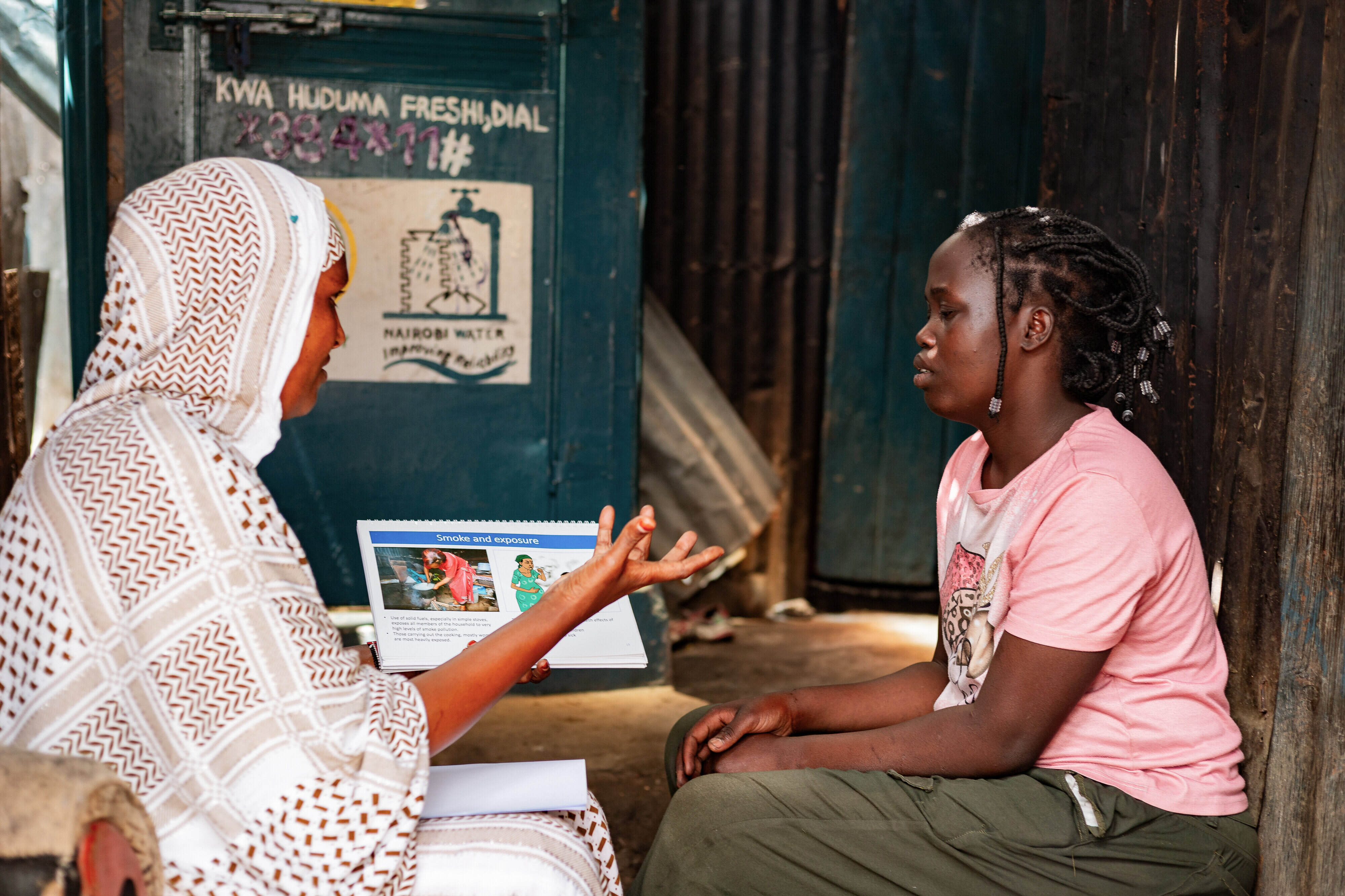
A practical rule of thumb for rapid testing: interview five people from your target audience, ask five key questions, keep the interaction under five minutes. This approach can be used in person, by phone, via email, or through messaging apps, and is often sufficient to identify major issues with clarity, relevance, or tone.
Close the feedback loop
Document what changes were made based on feedback and share this internally. Even brief notes help strengthen institutional learning and improve future communication efforts.