Planning disaster risk communication to support early warning and early action

Disaster Risk Communication Hub

Practical guidance and tools for effective risk communication
Collage of two big arms holding a dialogue bubble

The Disaster Risk Communication Hub supports practitioners across sectors to plan and deliver public risk communication that helps people understand risk and take informed action.

Drawing on practical guidance from the Risk Information for Early Action project (BBC Media, 2024), , the Hub supports practitioners through the main stages of a risk communication strategy:

ands pulls a thread from a tangled ball. Concept of problem solving and eliminating uncertainty.
1. Understand
Take time to assess the people, problems and context related to your topic – including the local media and communication context.
Collage with a woman's hand holding a light bulb. The collage is based on the study and education concept.
2. Plan
Consider exactly what you aim to achieve with your communication, how it will happen, and why you think it will work.
Collage with hands holding speech bubbles based on the concept of communication.
3. Do
Communicate in ways that reach and resonate with diverse audiences and support your specific aims.
Collage on the checklist concept
4. Improve
Learn from what worked and what did not, over the short-term and longer-term.

Main publications

This hub draws from the comprehensive guidelines presented in the Pocket guide and Guide for essential research publications, produced by BBC Media Action in partnership with UNDRR, which offer key insights into risk communication strategies. Access and download the documents below.

The project is funded by the United States Agency for International Development (USAID).

GAR logo
GAR2022: Our world at risk
This report explores how governance systems can evolve to better address the systemic risks of the future. It offers valuable recommendations for designing systems that consider how human minds make decisions about risk.

Expert pieces

Effective disaster risk communication goes beyond sharing information—it influences decisions and saves lives. In this section, experts share lessons from the field, unpack communication challenges and offer practical insights to improve how risk messages reach and resonate with people at risk.
The Bagmati River flood in Kathmandu, 2024.
Update

There were two “systems” that warned people about the impending danger that day: one built by the state relying on sensors and SMS messages, the other relying on community-based ties. Only the second worked reliably.

Mongabay
The Nevado del Ruiz volcano in Colombia, seen from above
Research briefs

Machine-learning techniques could help provide more warning. By detecting subtle changes in the continuous vibrations around a volcano, they can potentially identify signs of an impending eruption hours beforehand.

Conversation Media Group, the
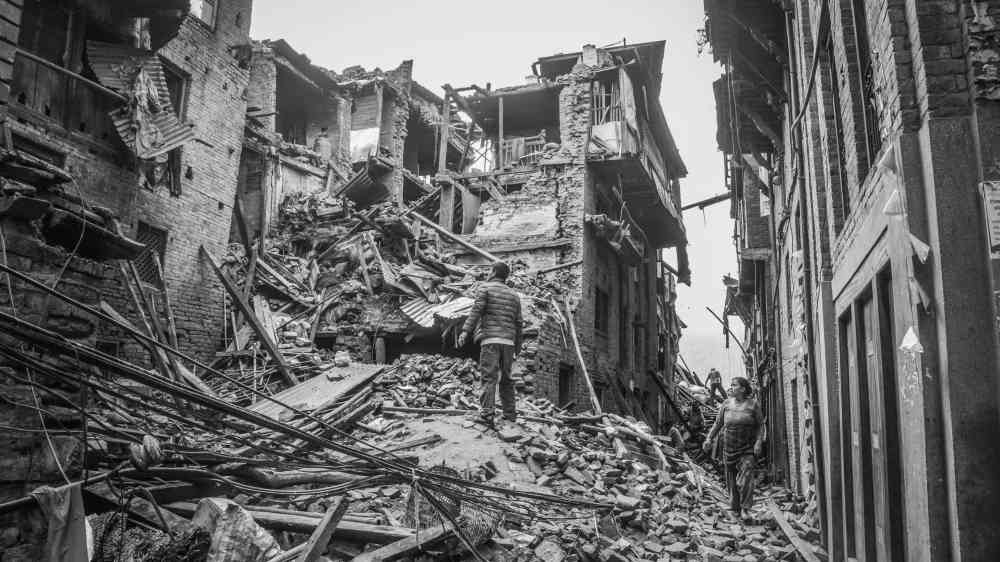
Rubble and destruction in Bhaktapur, Nepal, post-earthquake, capturing the aftermath and human resilience.
Ilan Kelman
Disasters are not natural but result from social vulnerabilities, inequality and policy choices. This blog argues that focusing on vulnerability, rather than labels such as “natural” or “hybrid” disasters, is key to reducing risk and preventing crises.
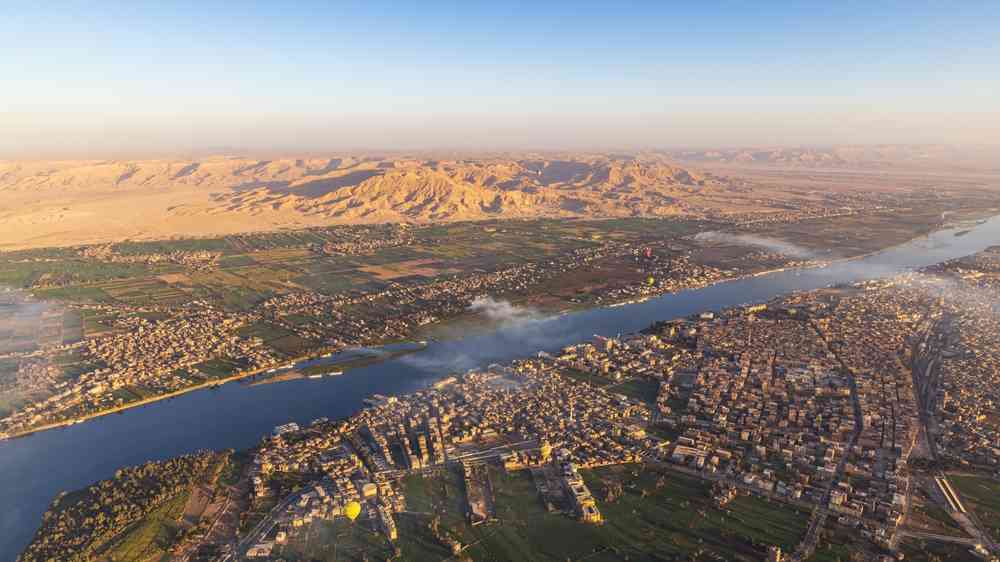
Luxor, Egypt. View of the Nile river from a hot air balloon in Luxor.
Update

A major climate adaptation programme is helping Egypt strengthen coastal resilience in the Nile Delta through nature-based coastal protection, climate-informed planning, coastal monitoring systems and integrated coastal zone management.

United Nations Development Programme (UNDP)
Firefighter combating a wildfire
Update

Most wildfires started by humans are still being called "wild", placing the fire outside human society. It implies there was no spark – and certainly no humans, and fails to widen the cause to include climate change, calling for new naming conventions.

Conversation Media Group, the
Workshop panel of four persons
Update

Journalists, editors, disaster management authorities and regional partners gathered in N'Djamena from 27–29 July for a regional workshop aimed at strengthening climate reporting and media resilience across one of Africa's most vulnerable regions.

United Nations Office for Disaster Risk Reduction (UNDRR)
United Nations Office for Disaster Risk Reduction - Regional Office for Africa
Wildfire myths debunked
Update

Wildfire misinformation spreads fastest in the hours right after a fire breaks out — checking a claim against a credible source before sharing it is the simplest way to slow it down.

United Nations Office for Disaster Risk Reduction (UNDRR)
Panoramic aerial view of Campo Mourão, Brazil, storm clouds gathering
Update

Five South American countries are joining forces under a new regional forecasting programme to improve severe weather warnings across the La Plata Basin.

World Meteorological Organization (WMO)
Spanish Civil Guard vehicle assisting at a summer wildfire near a roadside.
Update

Forest fires will continue, meaning we need ongoing investment in prevention, land management and firefighting resources. But we also need to pay more attention to human behaviour.

Conversation Media Group, the
Journalists
Opportunities

This briefing warns that climate disinformation is spreading through European media and online platforms, undermining public trust, distorting debate on climate action and highlighting the need for stronger policy and regulatory responses.

Climate Action Against Disinformation (CAAD)
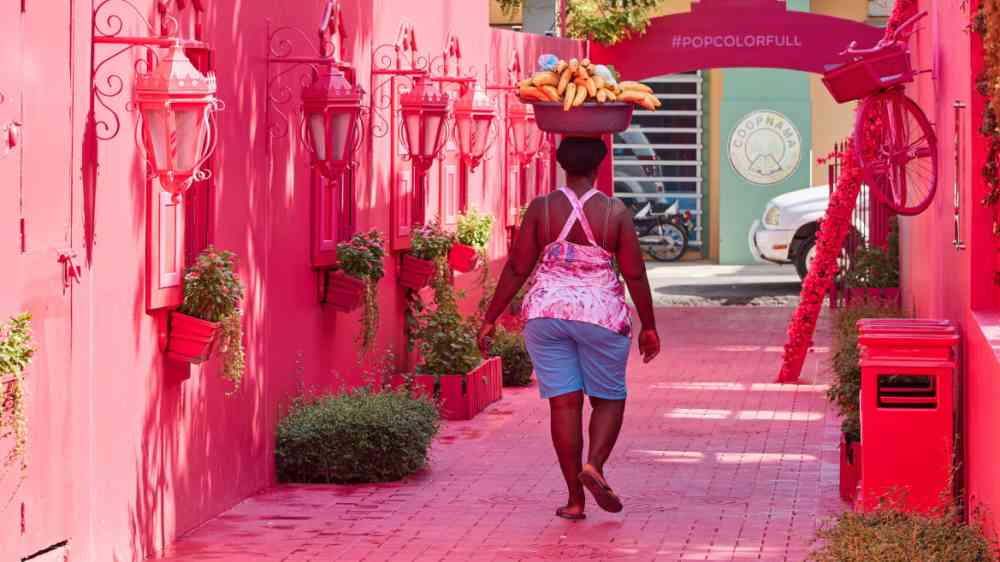
Woman carries a bowl of bananas on her head in Puerto Plata, Dominican Republic
Update

UNICEF activated U-Report as a tool for mass communication to raise awareness and share life-saving information with young people.

United Nations Children's Fund (UNICEF)
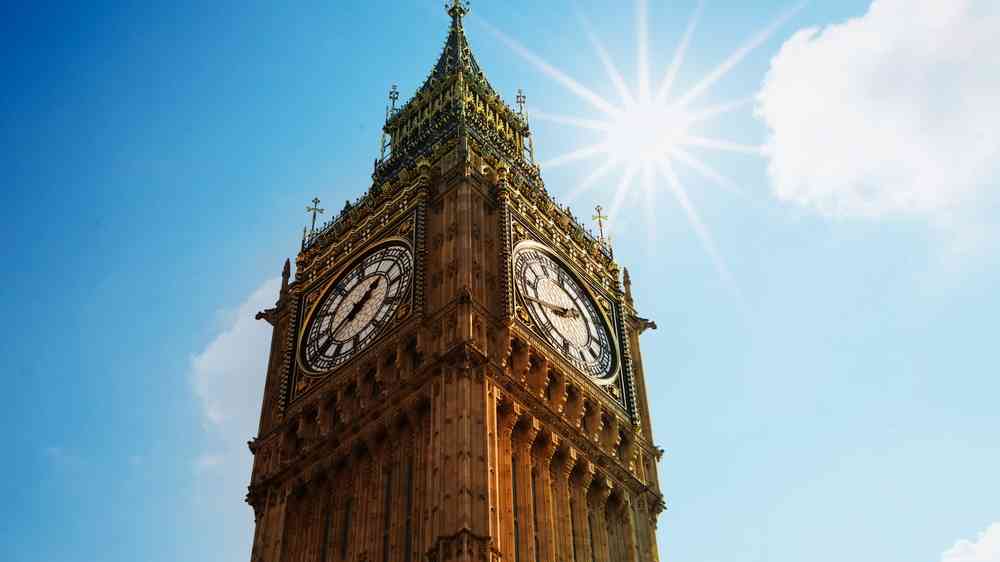
Extreme heat in London sun and Big Ben
Update

As people across the UK feel the effects of what could be one of the longest-lasting heatwaves since 1976, communities around the world are also suffering from periods of extreme heat.

Climate Outreach (formerly COIN)
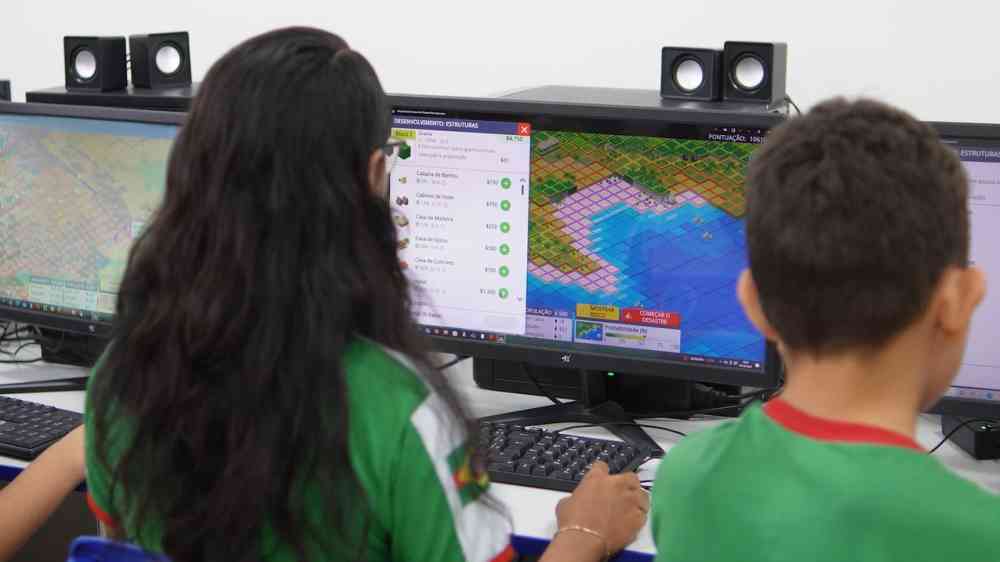
Schoolchildren playing the Stop Disasters game in Barcarena, Brazil, in the lead up to COP30 (October 2025).
Update

Dr Michael J Dillon and Professor Laura Bowater emphasise the significance of gamification in global health education amidst increasingly complex challenges

Open Access Government
Child girl draws a planet globe with a map of the world colored chalk on the pavement, asphalt.
Update

What would happen if a Category 5 tropical cyclone formed in the Mozambique Channel?

Red Cross / Red Crescent Climate Centre
Update

Adaptation is not a substitute for mitigation. Cutting emissions remains indispensable to preventing the worst outcomes of climate change. Even if we succeed in limiting warming to 1.5°C, we will still face more floods, heatwaves, and ecosystem losses.

Global Investigative Journalism Network (GIJN)
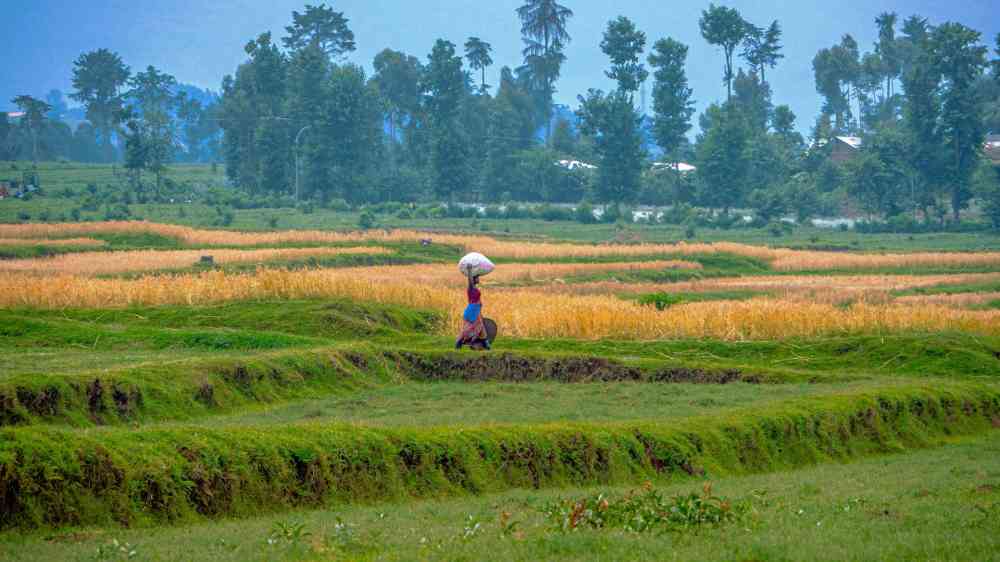
Rwanda wheat fields
Update

The farmer’s phone had vibrated just an hour earlier – a community alert of heavy rainfall expected within 48 hours. These messages now arrive regularly.

Water at the Heart of Climate Action
Satellite image of Hurricane Charley passing through in the Caribbean, 2004.
Update

The inland extent of watches and warnings will now be included, and an experimental cone will capture more areas at risk.

Yale Climate Connections
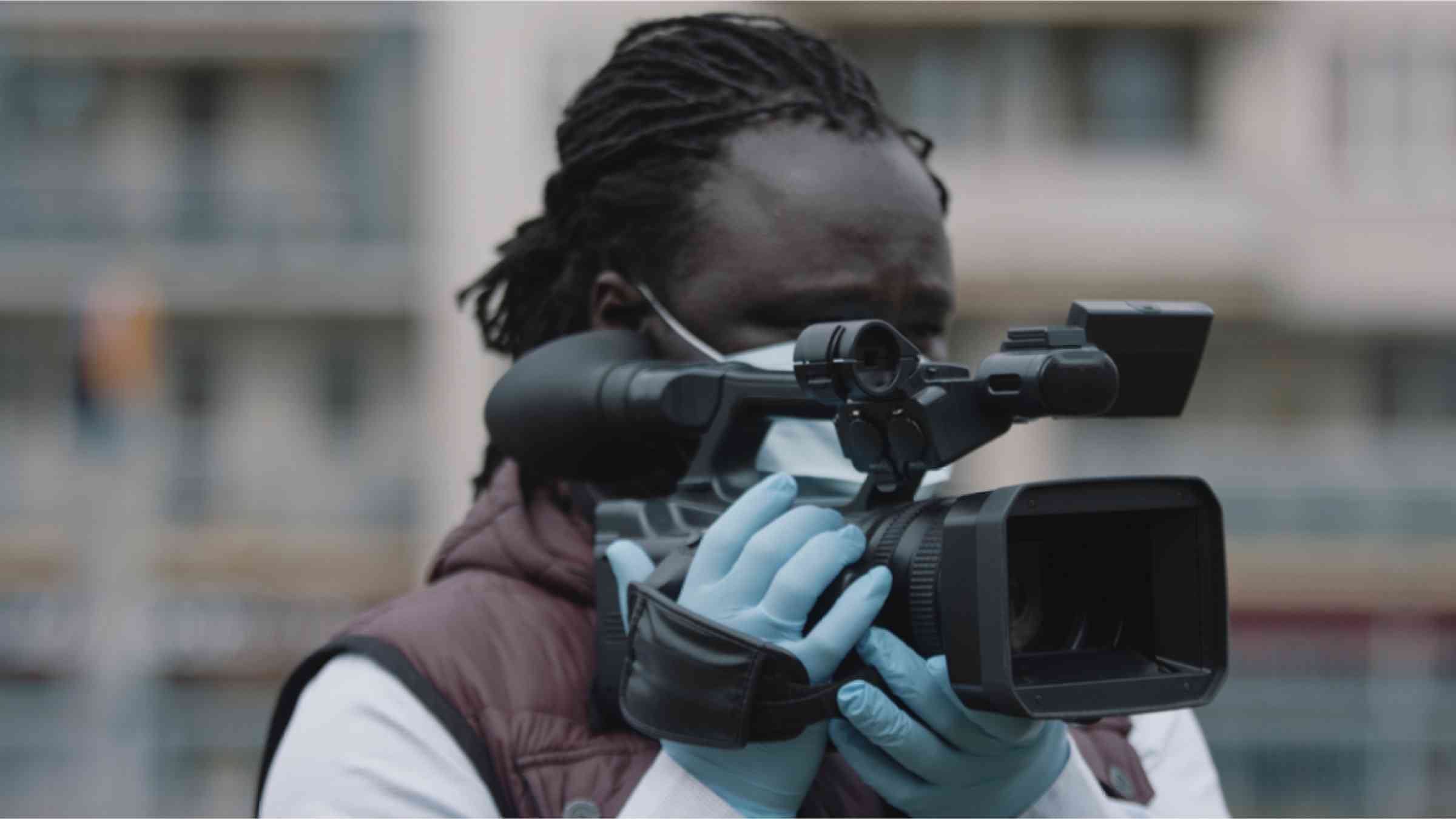
Close up of an African Black videographer looking through viewfinder on video camera.
Opportunities

Help shape a new pilot project by selecting priority hazards and recommending experts for the Technical Working Group. The survey takes 5 to 7 minutes and all responses are confidential.

International Science Council (ISC)
ARISE Japan Symposium 2026
Update

UNDRR & ARISE Japan joint symposium 2026 "Strengthening disaster risk reduction by advancing investment in resilience and translating science into Practical Action” as held in Tokyo with the presence of Mr. Kishore, Head of UNDRR, on 10 March 2026.

United Nations Office for Disaster Risk Reduction - Kobe Office
ARISE Japan
Women stands in the street in hot weather
Research briefs

Extreme weather is one of the most harmful impacts of climate change, posing a risk to human health and well-being worldwide. However, the types and impacts of extreme weather vary widely across countries.

Yale Program on Climate Change Communication
Press release

Digital technologies have revolutionized how we live, connect, and work, yet our growing reliance on these systems has created risks that often go unnoticed.

United Nations Office for Disaster Risk Reduction (UNDRR)
International Telecommunication Union (ITU)
Sciences Po
Taking a picture
Update

In an age of rapidly evolving digital media, helping young people to understand climate change requires more than just teaching the science. It is also about equipping them with the skills to navigate the information they encounter every day.

Royal Meteorological Society
Shinjuku area in Tokyo, full of shopping malls, electrical appliance stores, fashion stores, second-hand goods, and restaurants. It is the largest night entertainment area in Japan
Update

As record-breaking heat intensifies, Japan is pioneering a bold experiment in climate communication—using language, lived experience, and public participation to transform awareness of extreme weather into meaningful action

University of New South Wales
Schoolchildren playing the Stop Disasters game in Barcarena, Brazil, in the lead up to COP30 (October 2025).
Update

2025 marked a year of exceptional growth for the Stop Disasters game.

United Nations Office for Disaster Risk Reduction (UNDRR)
Dead corn under an orange sky, capturing the eerie silence of a once thriving agriculture crippled by climate change.
Update

Frightening headlines predicting a Super El Niño or even a Godzilla El Niño amp up anxiety levels for farmers and residents of bushfire-prone regions.

Conversation Media Group, the
People sitting during flooding in Liberia
Update

This paper is about how AI language limitations can hinder effective climate disaster response by misinterpreting local expressions and urgency in affected communities

Conversation Media Group, the
Forest in California with panoramic aerial wildfire is burning trees smoke fire dry grass
Update

In 2025, secondary perils – among them wildfires, severe convective storms and floods – accounted for a record 92% of total global natural catastrophe insured losses of USD 107 billion.

Swiss Reinsurance Company (Swiss Re)
Tsunami awareness event in Timor-Leste, 2025
Emiliano Rodriguez Nuesch
Tsunami risk is already well known in many coastal communities, but translating awareness into sustained engagement and action remains a challenge. For World Tsunami Awareness Day 2025, agencies explored whether music could help bridge that gap.
Man outdoors checking weather forecast on his mobile phone
Dr Susan Joslyn
In this instalment in the Careers in Resilience series, PreventionWeb interviewed Susan, reflecting on her career and exploring what it takes to support better decision-making in the face of uncertainty.
News
Sanjay Saifi
Risk communication is the bridge between science and preparedness. If academic research continues to prioritise prediction without equally focusing on how warnings are understood and acted upon, early warning systems will remain socially ineffective.
The Nevado del Ruiz volcano in Colombia, seen from above
Update

The article argues that the 1985 eruption of the Nevado del Ruiz volcano, which killed more than 23,000 people largely due to poor preparedness and miscommunication, became a turning point that highlighted the role of vulnerability in disasters.

University College London (UCL)
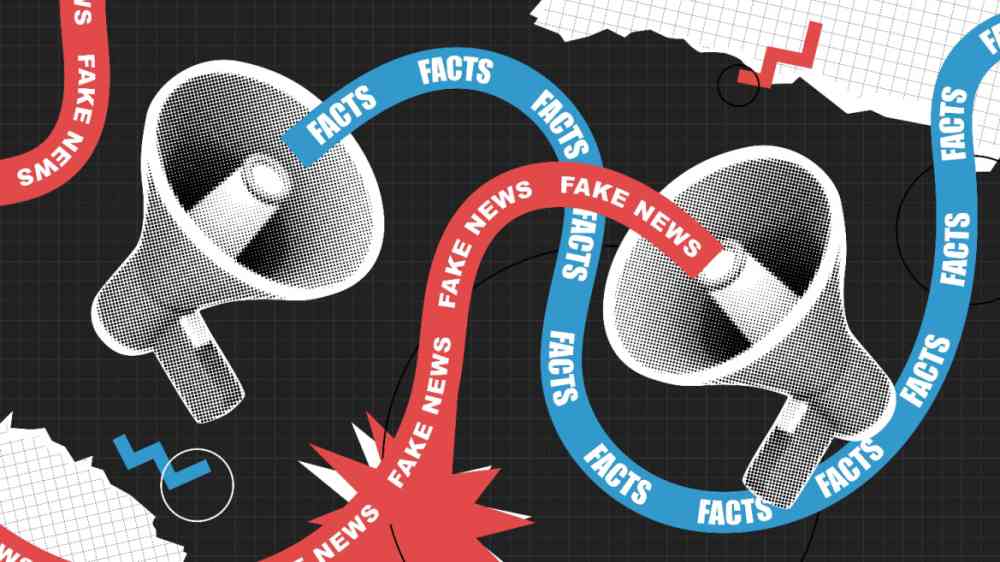
Art collage representing conflict between fake news and fact communication
Update

For the first time at the UN level, governments are explicitly committing to protect science-based climate information, support independent journalism, improve transparency, and counter disinformation that undermines public understanding.

Climate Action Against Disinformation (CAAD)
Vegetation, water, and a broadwalk overlaid with the conference name and dates.
Opportunities

UR26 invites practitioners, researchers, innovators, and policymakers to share ideas, tools, and experiences shaping the future of disaster risk management.

Global Facility for Disaster Reduction and Recovery, the (GFDRR)
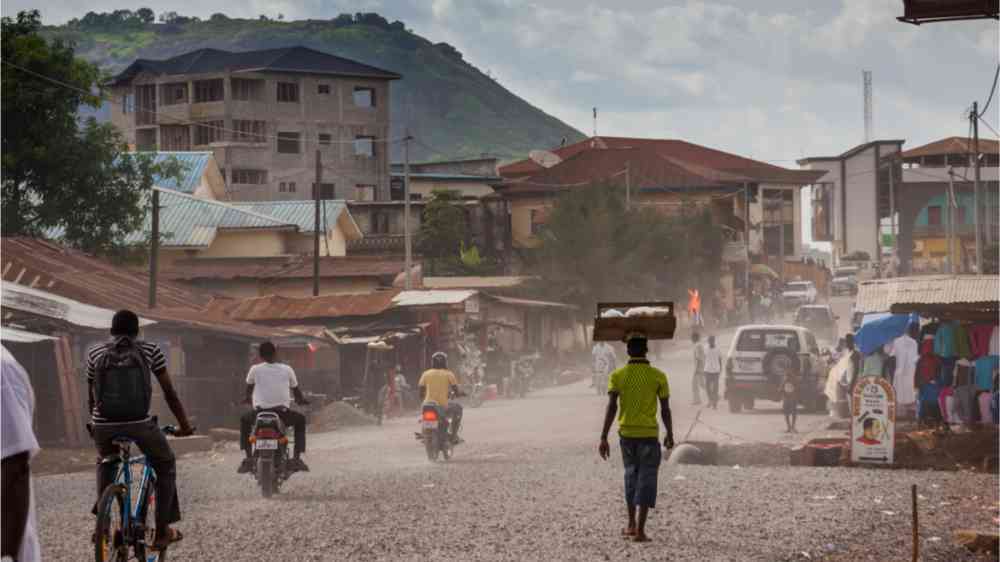
A group of people walk trought the heat along the Makeni highway in Sierra Leone
Pious Mannah
The blog highlights how overcoming language and literacy barriers through translation, audio tools and gamified learning has strengthened inclusive disaster risk communication and community resilience in Sierra Leone.
Shinjuku area in Tokyo, full of shopping malls, electrical appliance stores, fashion stores, second-hand goods, and restaurants. It is the largest night entertainment area in Japan
Patrick Cadwell
The last two decades in Japan reveal a steady increase in the language of inclusion, and a more detailed consideration of how to engage foreign nationals in DRR. There is a lot of good to take away from this more inclusive DRR policy in Japan.
People sitting outside during the UK heatwave
Research briefs

Climate change is making heat waves more frequent and severe, posing an increasing risk to human health. What is the best way for the news media and others to communicate these important facts about extreme heat?

Yale Program on Climate Change Communication
News
Update

A new report argues that English-only climate science and disaster alerts are excluding most of the world, and putting Indigenous communities at greater risk.

Grist Magazine
Aerial view of Solfatara of Pozzuoli, near Naples, Italy. It is a dormant volcano and part of the Phlegraean Fields volcanic area.
Update

The article argues that managing the multi-risk environment of Campi Flegrei system requires rethinking how science, governance, and communication operate under deep uncertainty.

European Geosciences Union
Photograph of a mobile phone with cyclone moving towards the coast shown. The background is yellow with warning sign.
Update

As dangerous extreme weather events increasingly affect communities across the nation, there’s an urgent need to share more timely, accessible, and actionable lifesaving information with all people—especially those who may experience added barriers.

Natural Hazards Center
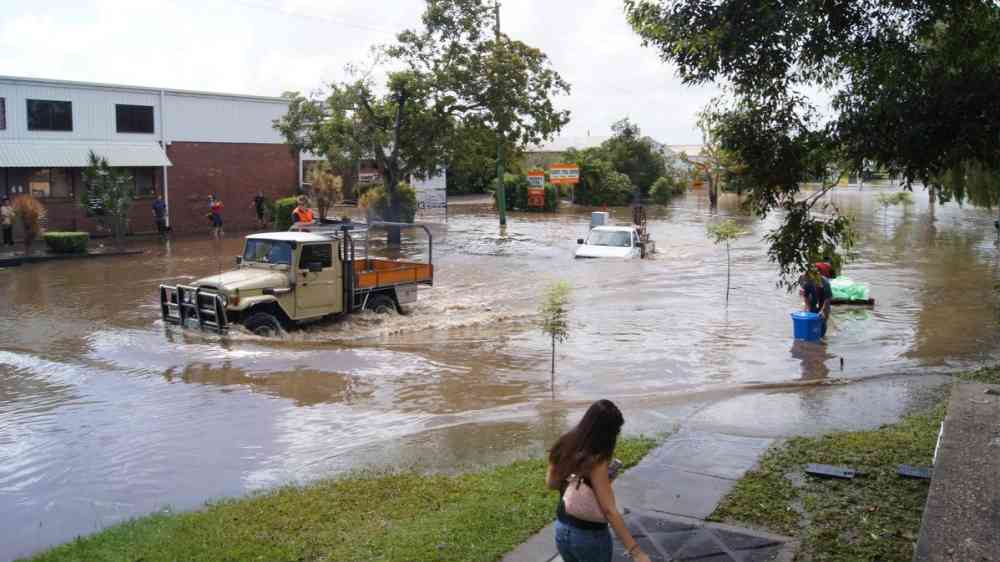
Flooded street, Quensland, 2011
Research briefs

What mattered was participatory learning over time: people being invited into respectful conversations, treated as capable decision-makers, and supported to work through risk in ways that made sense within their own lives.

Conversation Media Group, the
A mother and her two sons walk under the sun carrying an umbrella
Update

In recent years, India has experienced frequent and intense heat waves alongside some of the highest levels of air pollution in the world. To understand how different groups of people view these hazards 10,751 adults were surveyed nationwide.

Yale Program on Climate Change Communication
A man is shooting videos at the waterfront of Heng Fa Chuen on the east of Hong Kong Island when rough waves hit the promenade during Severe Typhoon Mangkhut's strike in 2018.
Ilan Kelman
To avoid disasters, our actions ought to be about cooperating and living with nature – and with each other – without harm, including without harming ourselves. We should recognise and implement the worldviews that humanity and nature are intertwined.
People walking on a pedestrian street in Hamadan, Iran
Update

For psychological scientists, the task ahead is to understand what makes risk communication effective and how to motivate communities to take protective action.

American Psychological Association
Heatwave on the city
Update

In Australia, the only severe weather events that receive formal names are tropical cyclones. Could there be benefits to giving a name to all of our extreme weather?

Conversation Media Group, the
EW4ALL National Platform Pillar Leads meeting
Update

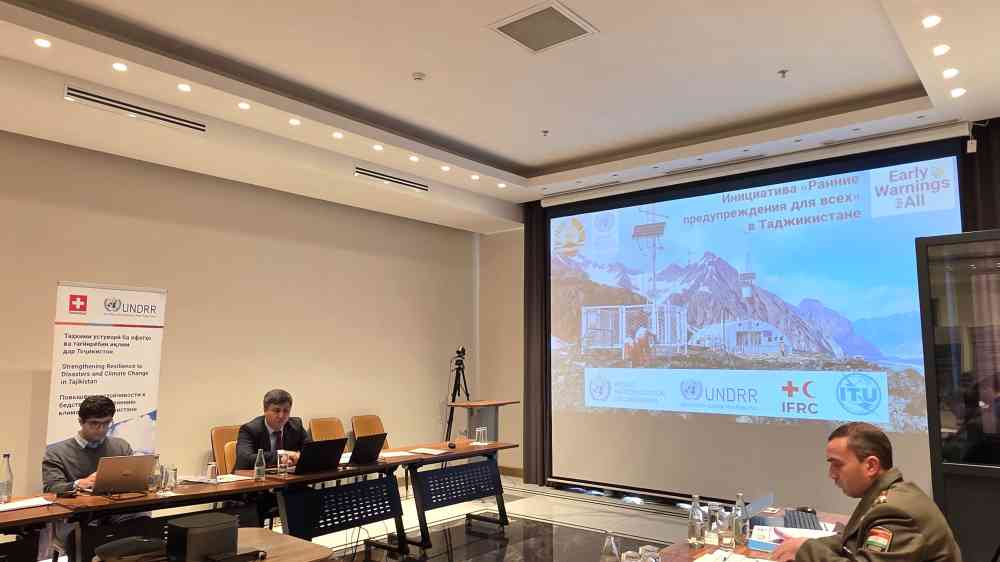
On 15 December 2025, Tajikistan National Pillar Leads convened a coordination meeting with the relevant state agencies to review the implementation of the National Roadmap on Enhancing Early Warning System in the country.

United Nations Office for Disaster Risk Reduction - Regional Office for Europe & Central Asia
Woman wearing hat and holding paper waving fan looking at street thermometer and extreme temperature marking 48 degrees celsius on hot summer day.
Update

Heat risk is crosscutting; therefore, no single sector or actor can tackle the challenge alone. The lessons below show what has been discovered about extreme heat and what it will take to respond in a world that will not cool down.

United Nations Office for Disaster Risk Reduction (UNDRR)
Villagers on Tanna Island, Vanuatu, perform traditional ceremonies in the shadow of Mt Yasur, an active volcano.
Maëlle Calandra
Maëlle Calandra, a disaster anthropologist and a research fellow was interviewed by PreventionWeb to find out how disasters on the island of Tongoa and the socio-cultural realities of its people interact in such a hazard-prone area.
Art gallery, a diverse group of visitors attending an exhibition with abstract paintings, contemporary artworks
Update

Sea level rise, local subsidence, canal siltation, ill-planned reclamation, and overstressed drainage systems together lengthen high tides, allowing slack water to linger for hours. Experts call it high-tide flooding or tidal flooding.

Mongabay
Yellow tsunami hazard zone warning sign in Bali, Indonesia
Update

It’s time to redefine the term so it more clearly conveys meaningful risks to coastal communities and prompts them to act when needed.

Eos - AGU
satisfaction survey
Opportunities

The United Nations Office for Disaster Risk Reduction invites your feedback on how the development community engages with its disaster risk reduction tools and information resources.

United Nations Office for Disaster Risk Reduction (UNDRR)
How can we empower at-risk communities to make informed decisions and reduce disaster risks?

Case studies

Explore a series of real-world case studies that highlight successful risk communication practices in diverse contexts. These examples offer valuable lessons for practitioners, illustrating how tailored communication approaches can lead to better outcomes in risk awareness and action.

Concept of colourful speech bubbles
Risk communication
Resources to help communications professionals develop effective strategies and craft compelling content about disaster risk.
Letters of scrable
The DRR Glossary
Get to know the key terms of disaster risk reduction and hazards that might cause disasters.
UNDRR
About PreventionWeb
PreventionWeb is the global knowledge sharing platform for disaster risk reduction (DRR) and resilience.

Hazards do not have to turn into disasters.

To break the vicious cycle of "Disaster, respond, recover, repeat.", we need a better understanding of disaster risk, in all its dimensions.