 |
Global Assessment Report on Disaster Risk Reduction 2013
From Shared Risk to Shared Value: the Business Case for Disaster Risk Reduction |
|
Global Assessment Report on Disaster Risk Reduction 2013
From Shared Risk to Shared Value: the Business Case for Disaster Risk Reduction |
|
|


|
238 Chapter 16
risk management (Aon Benfield, 2011
Aon Benfield. 2011.,Global Risk Management Survey 2011., Chicago,USA: Aon Risk Solutions.. . Businesses and their investors, therefore, are just starting to perceive disaster risk as a critical threat and the need to include disaster risk management as an integral component of corporate risk management. Evidence showing that investing in disaster risk management can give business a competitive edge is mounting. At the same time, as the market for corporate disaster risk management begins to develop, it creates major multiplier effects, as more and more business take investment decisions that reduce rather than increase disaster risk. In the same way that individual business investments over time can accumulate to generate systemic disaster
risk, risk-informed investments can over time reduce that systemic risk.
Global foreign direct investment (FDI) is projected to reach US$1.8 trillion in 2013 and US$1.9 trillion in 2014 (UNCTAD, 2012
UNCTAD (United Nations Conference on Trade and Development). 2012.,World Investment Report 2012: Towards a New Generation of Investment Policies., New York and Geneva.,. . Businesses able to estimate and manage their disaster risks will be less likely to invest in hazardprone areas. And if they do, they will more likely invest in measures to reduce the vulnerability of their plants and facilities. The same businesses will be
(Source: UNISDR)
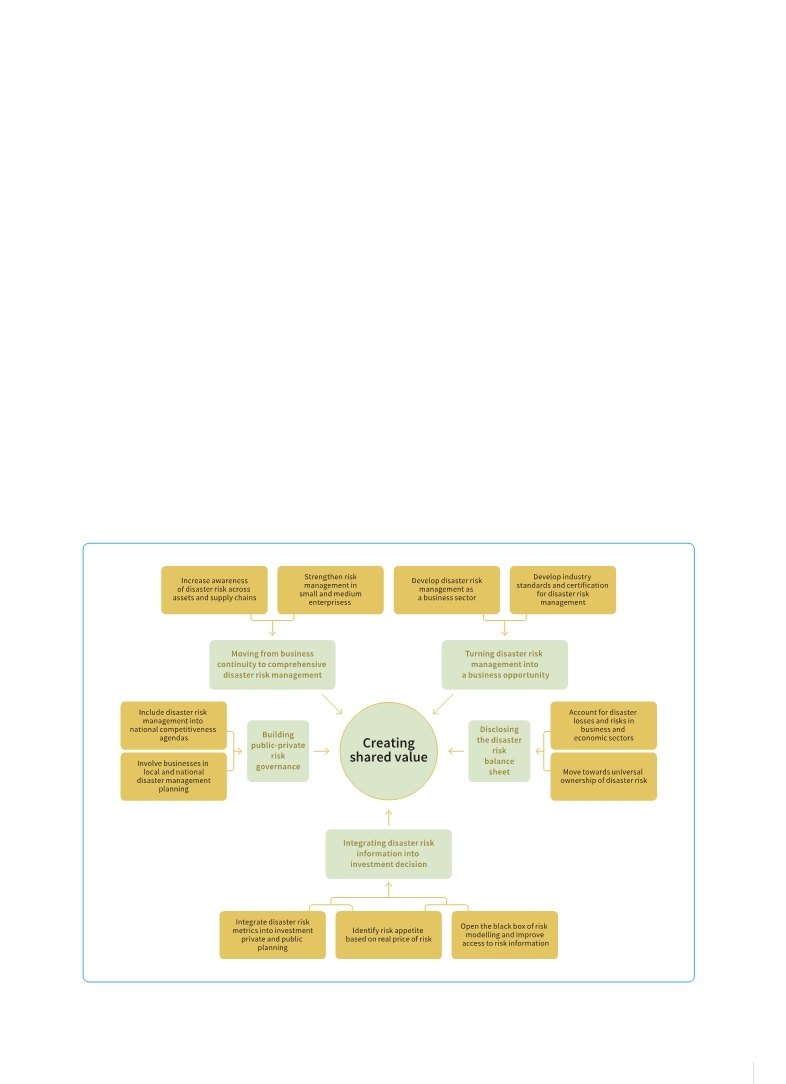
Figure 16.1 Key areas for the future of risk governance
|


 |