This position paper outlines how, through The Global Framework for Climate Services, products and services, experts from various disciplines and regions will work together to develop science-based climate and environmental information tailored to end-users’ needs. It is intended to contribute to adaptation to climate variability and change and disaster risk management as an integral part of overall United Nations system-wide efforts to make science accessible and relevant for decision-making at all levels, as a contribution to the United Nations Conference on Sustainable Development (Rio+20).
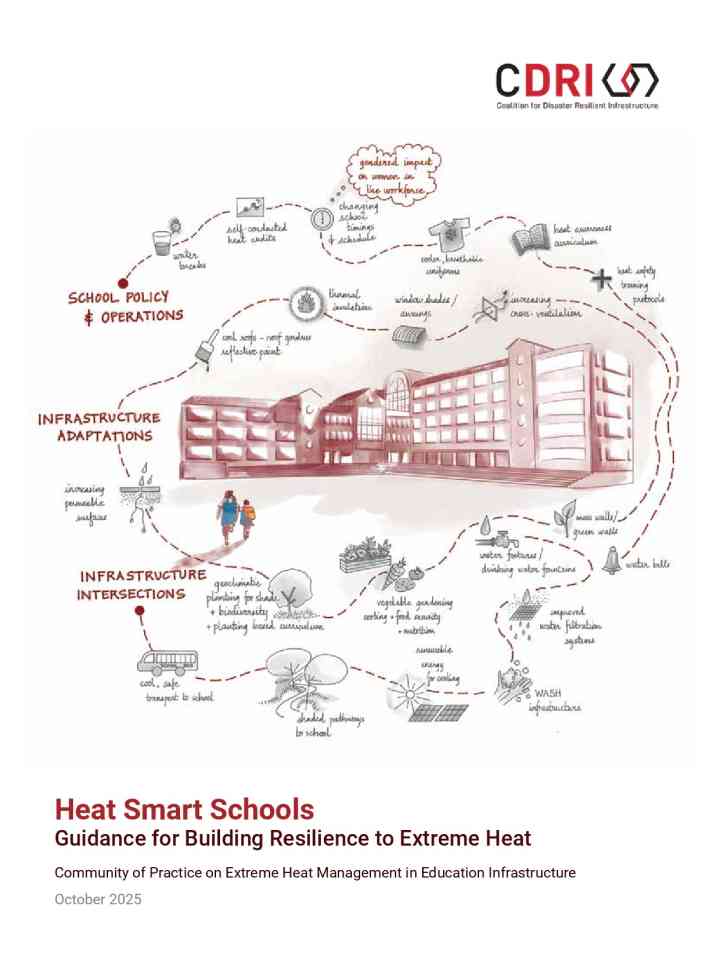
Developed by the World Meteorological Organization in conjunction with the broader UN system to provide the mechanism for the generation and use of climate knowledge, the Framework aims at:
• Reducing the risk of disasters and other climate hazards, the cost of which often burdens developing and least developed nations for years, aggravating extreme poverty;
• Improving and optimizing management of water resources to provide sustainable access to freshwater for drinking, irrigation and household use;
• Improving health, especially for women and children, by stemming the spread of disease vectors;
• Contributing to renewable energy research and strengthening the scientific basis of the green economy;
• Increasing agricultural productivity to improve food security and reduce hunger.