
Explore disaster risk, national policies and plans, and the institutions working to reduce risk. This profile brings together resources from PreventionWeb to help you understand the risk landscape and find information to support disaster risk reduction.
Latest publications and resources
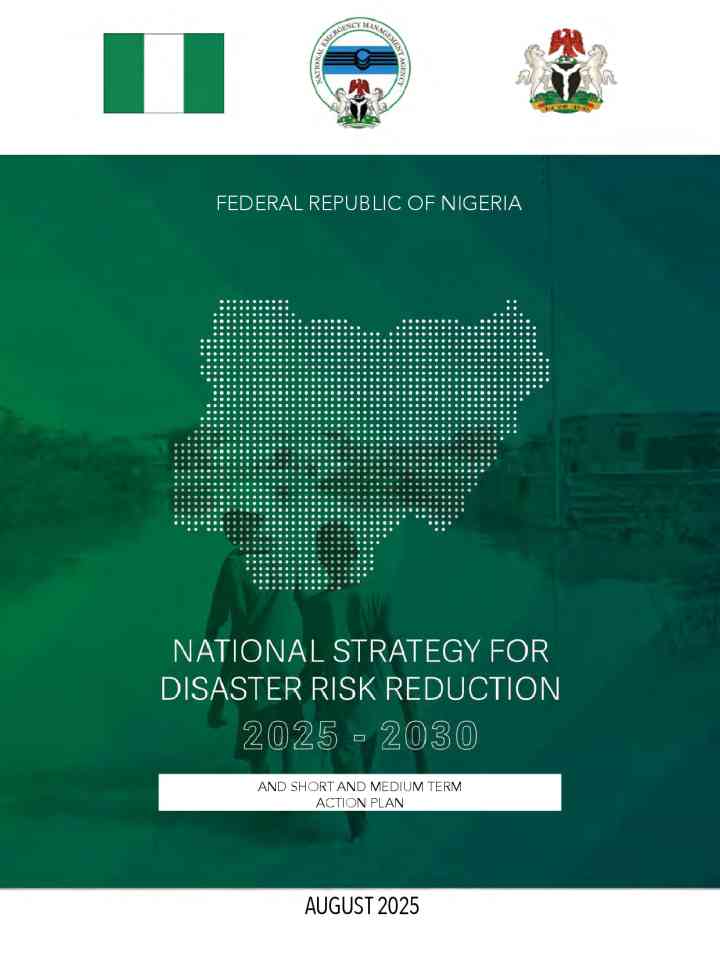
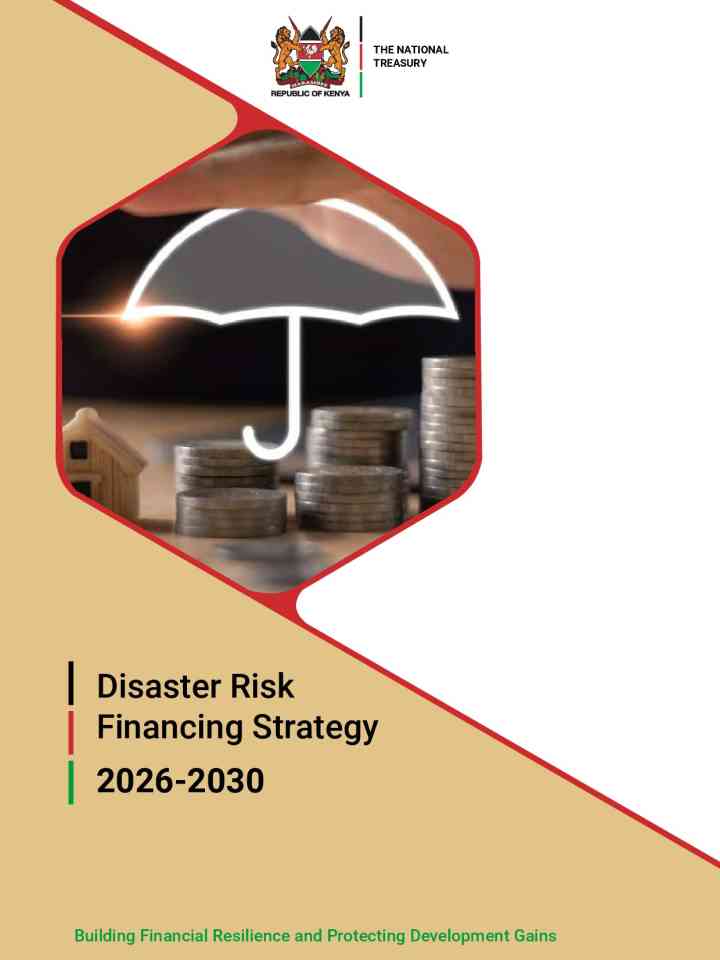
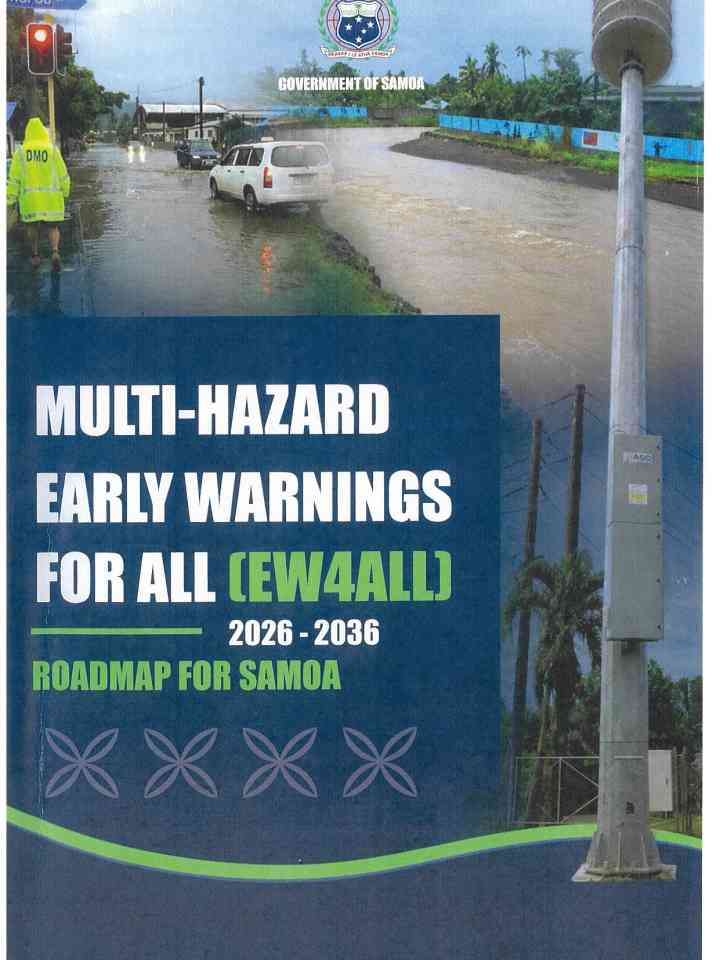
Recent publications and resources about disaster risk reduction in this country.
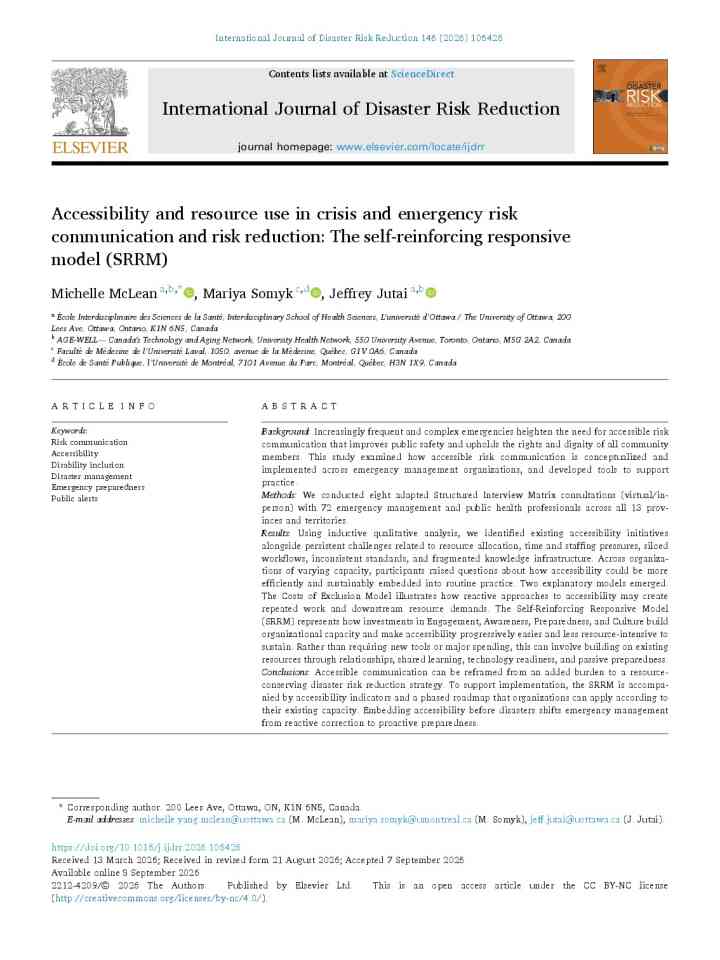
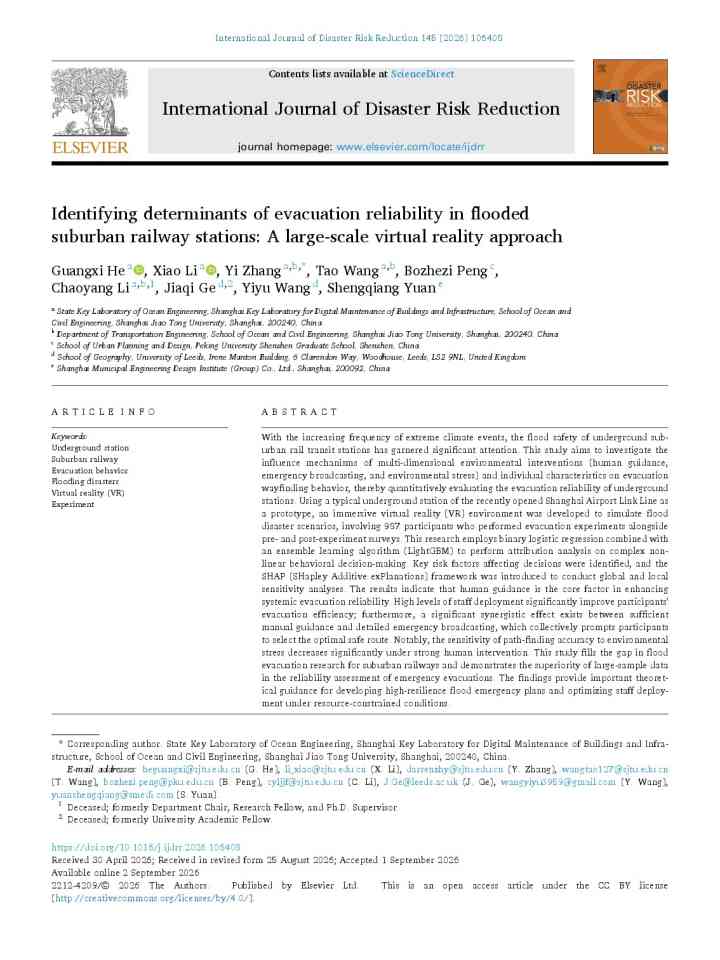
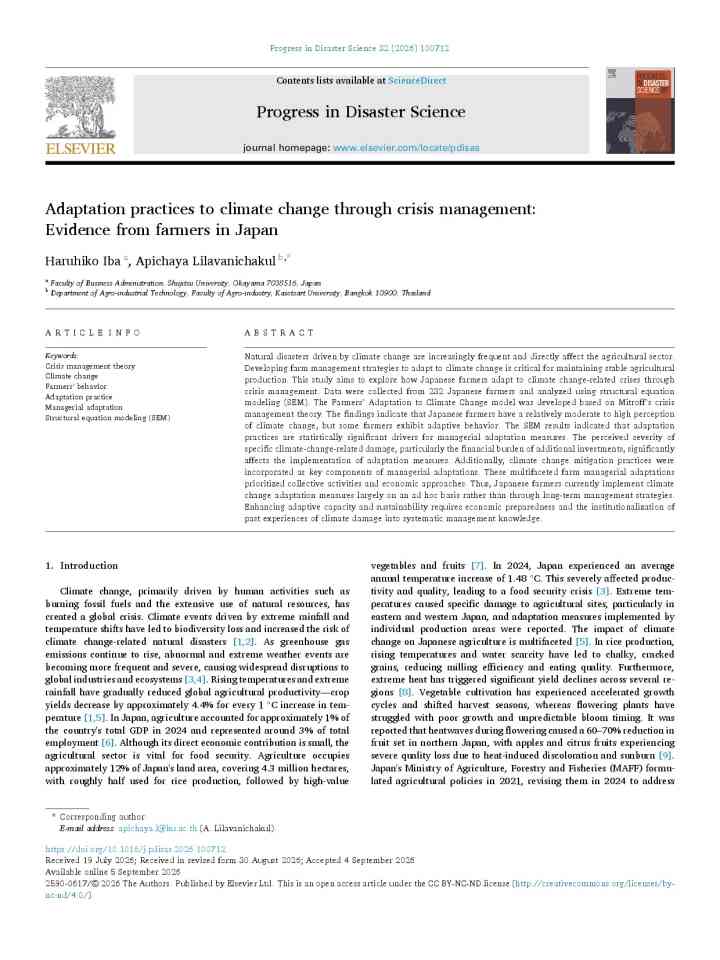

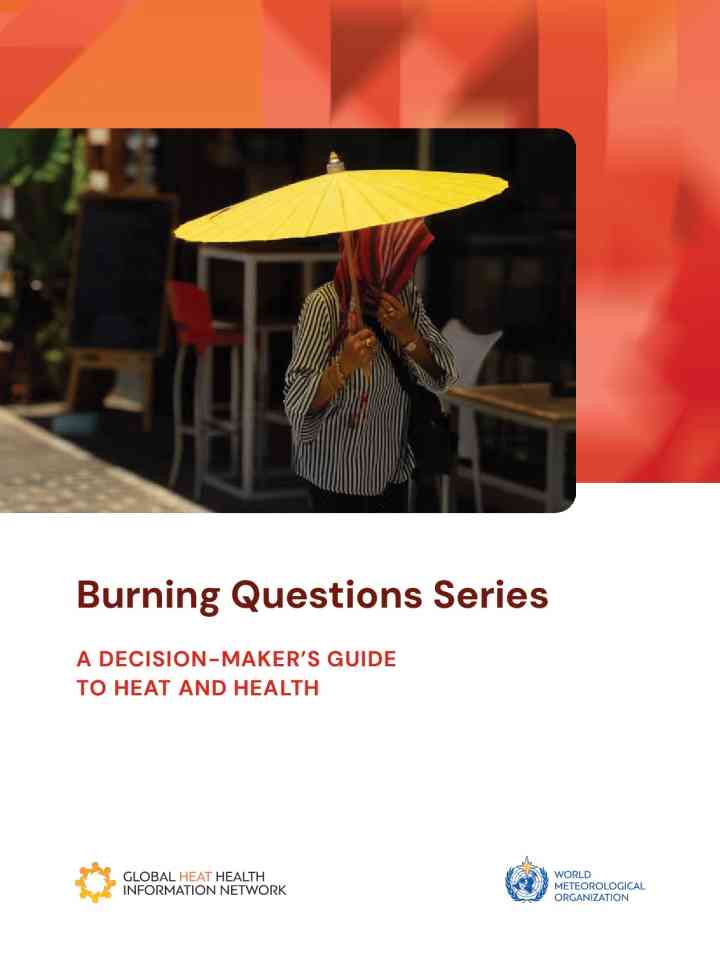
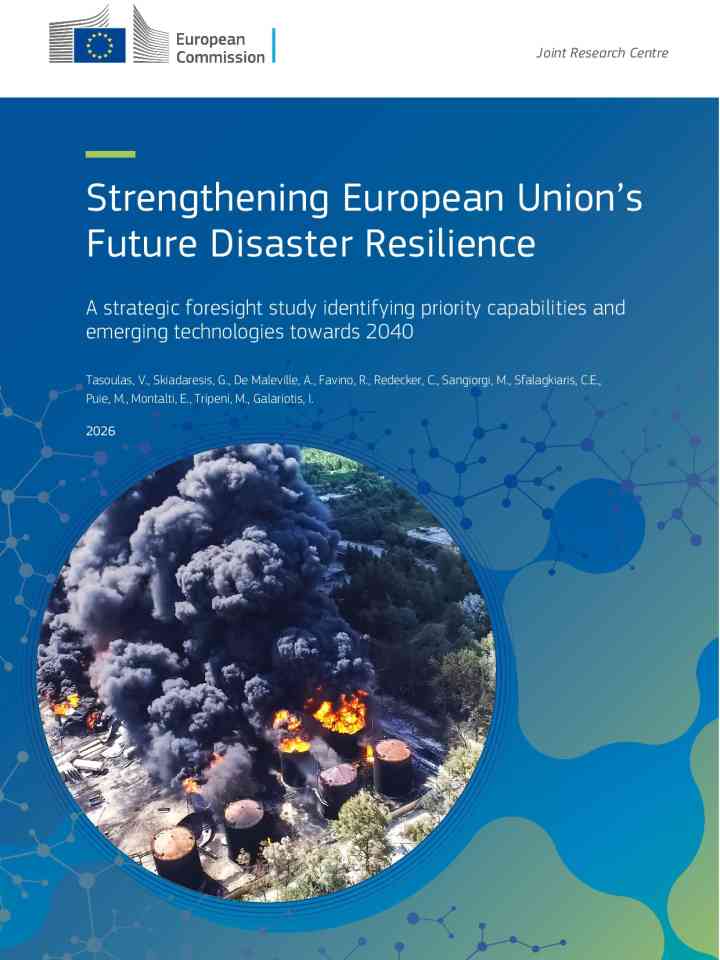

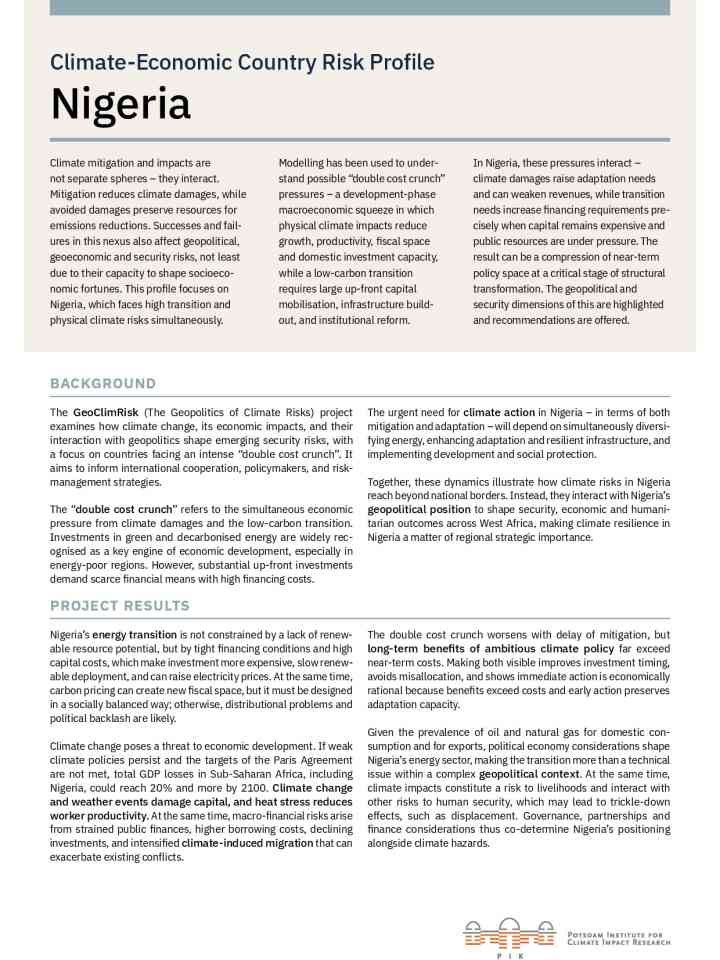

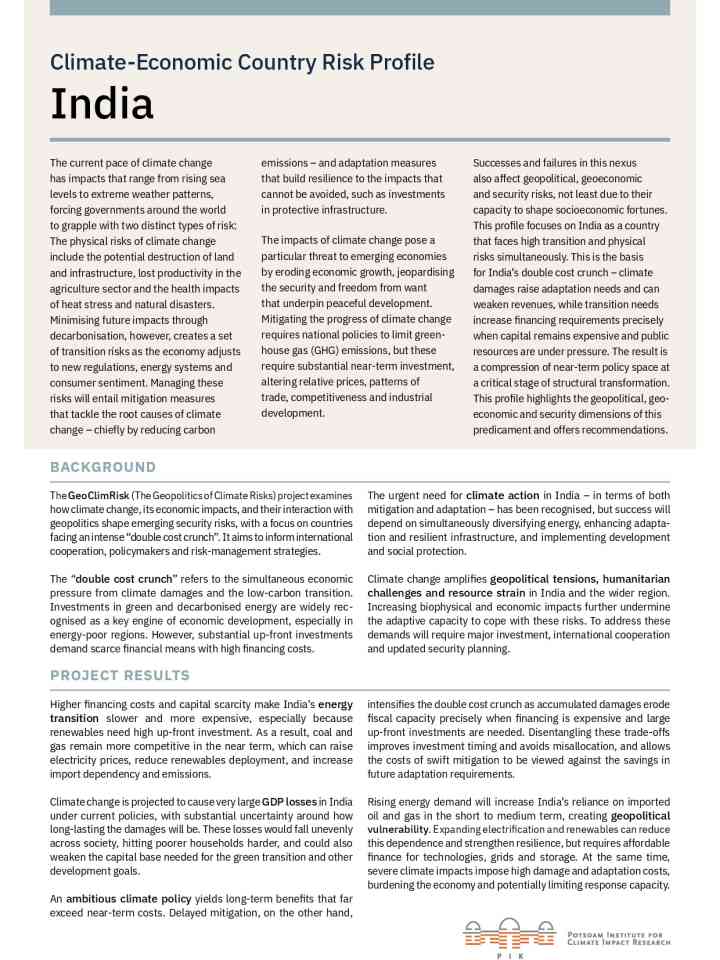

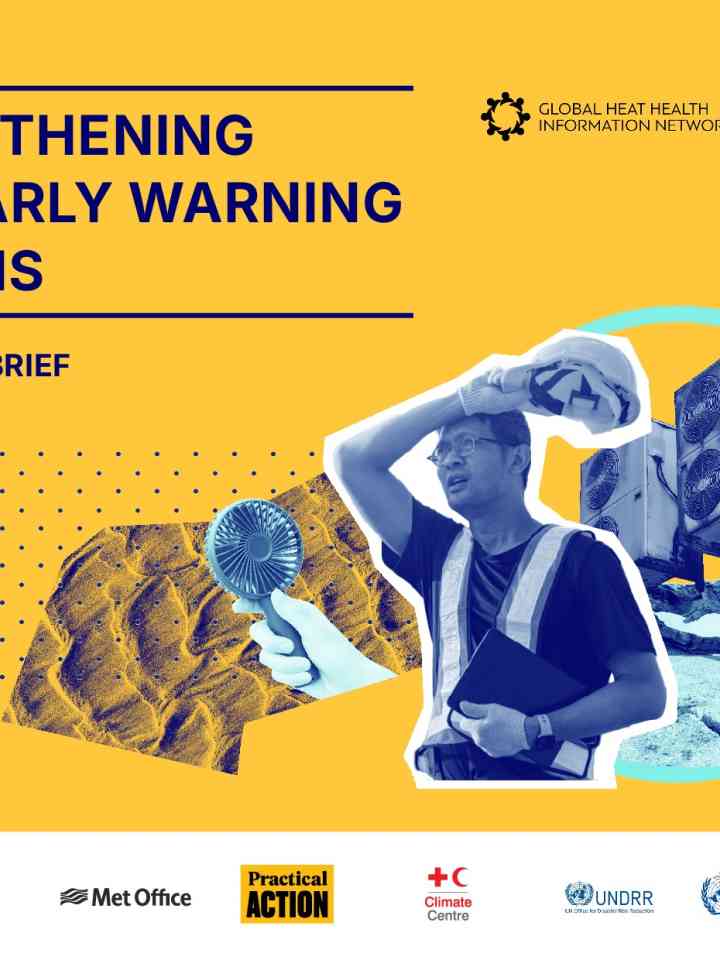
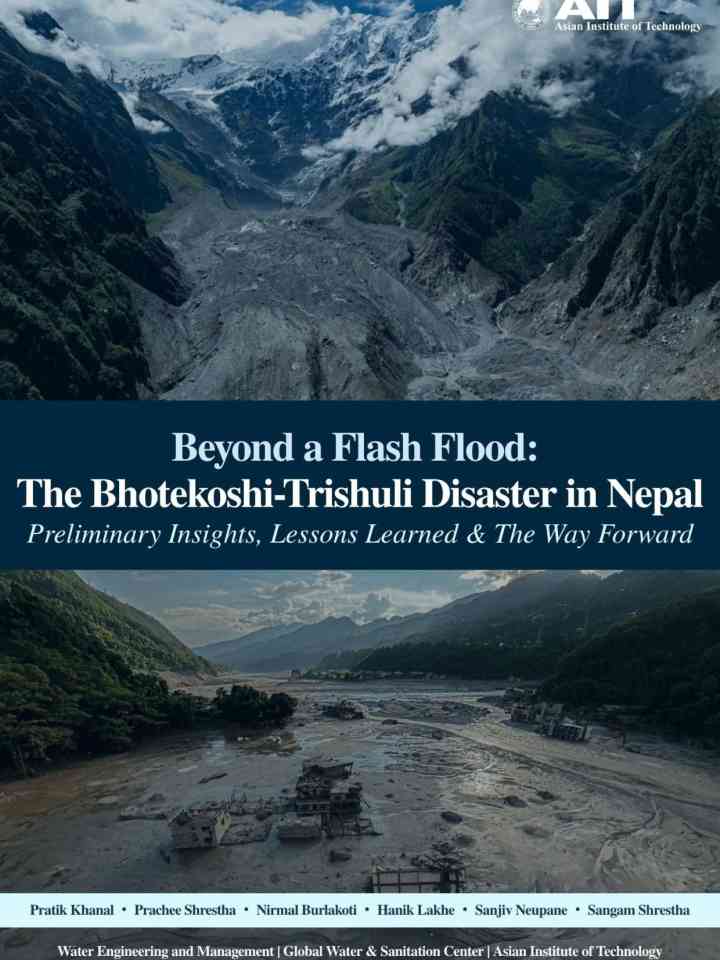


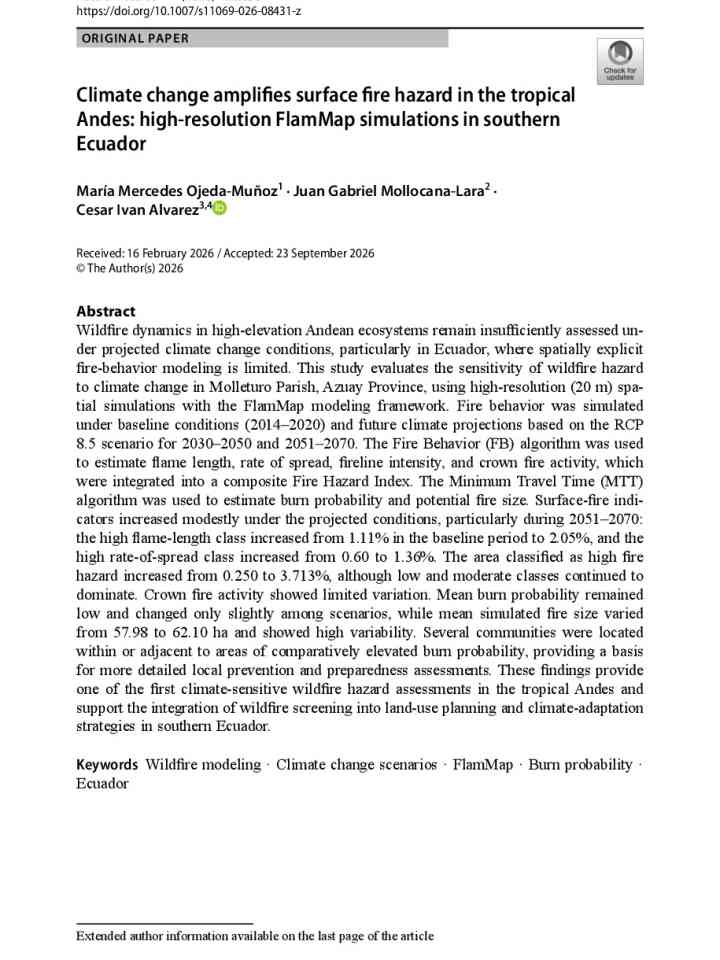


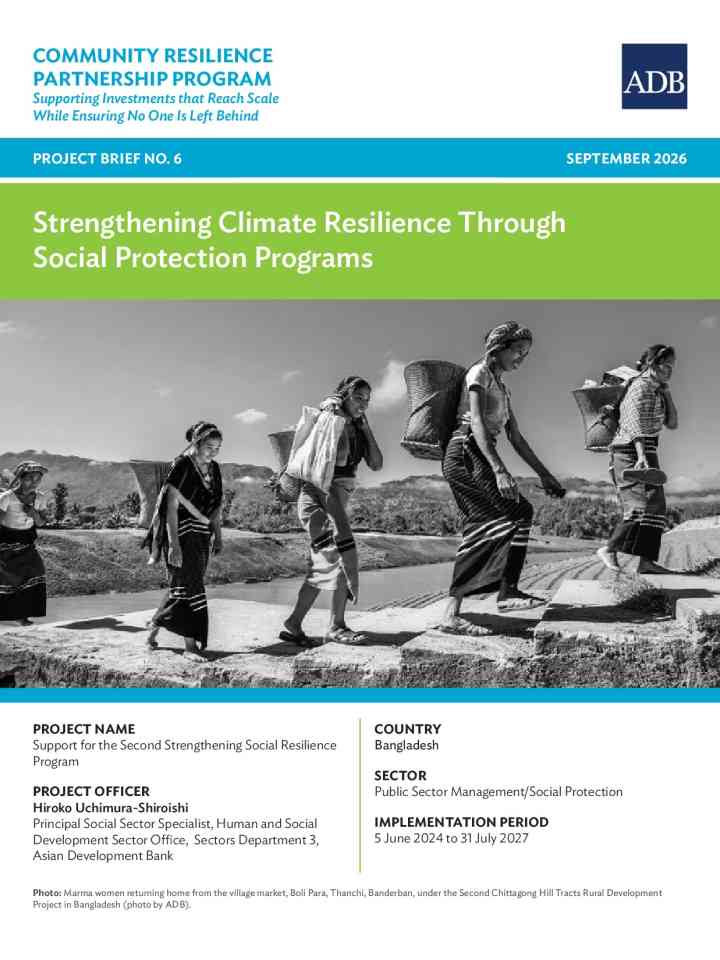

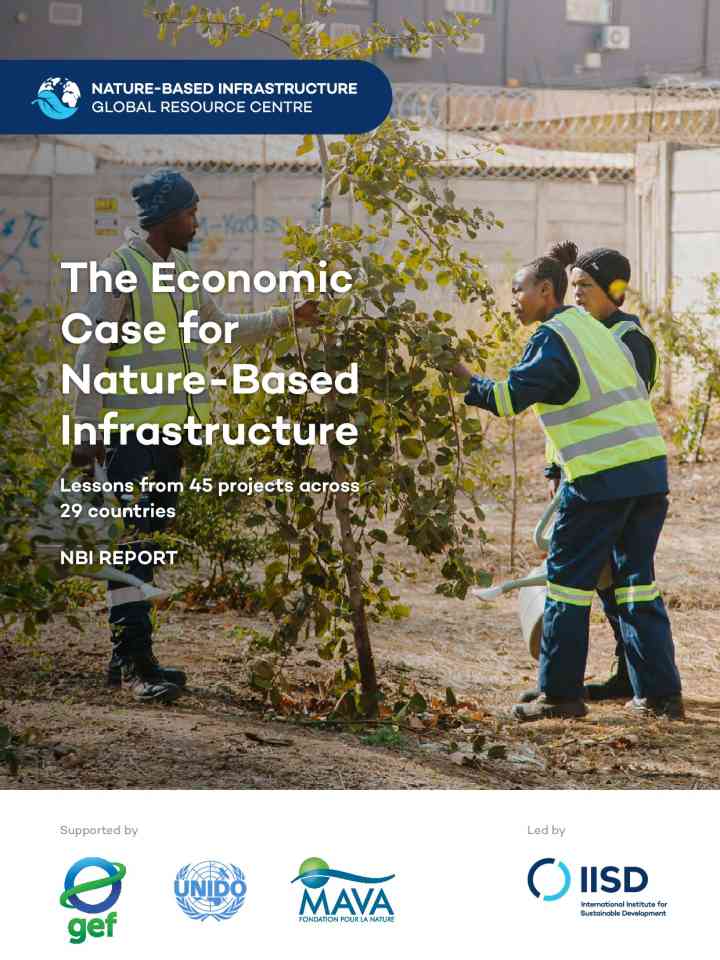
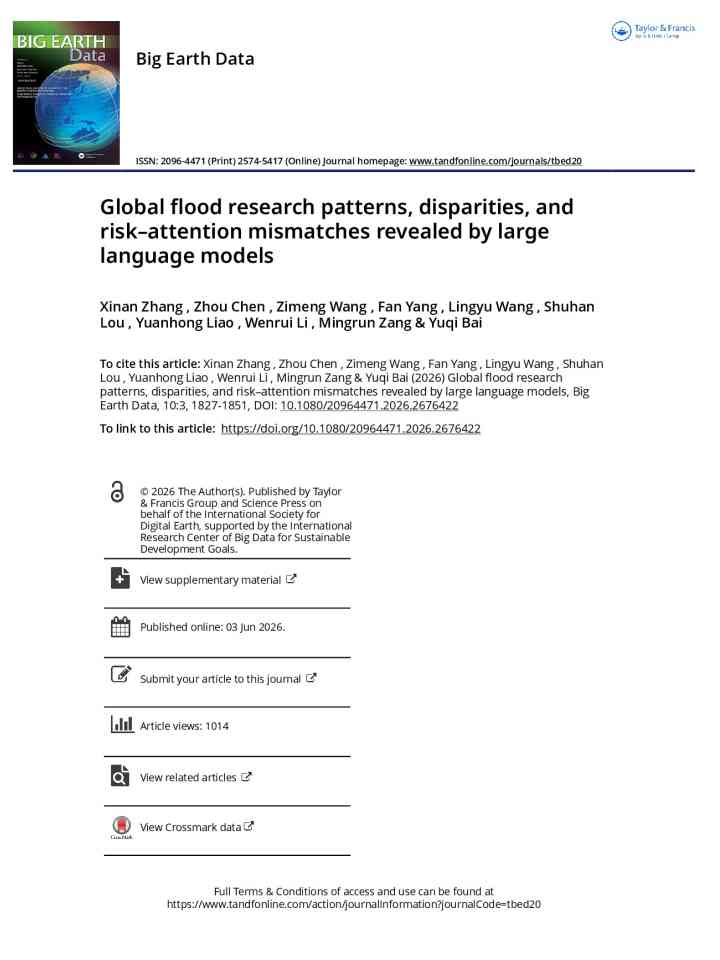
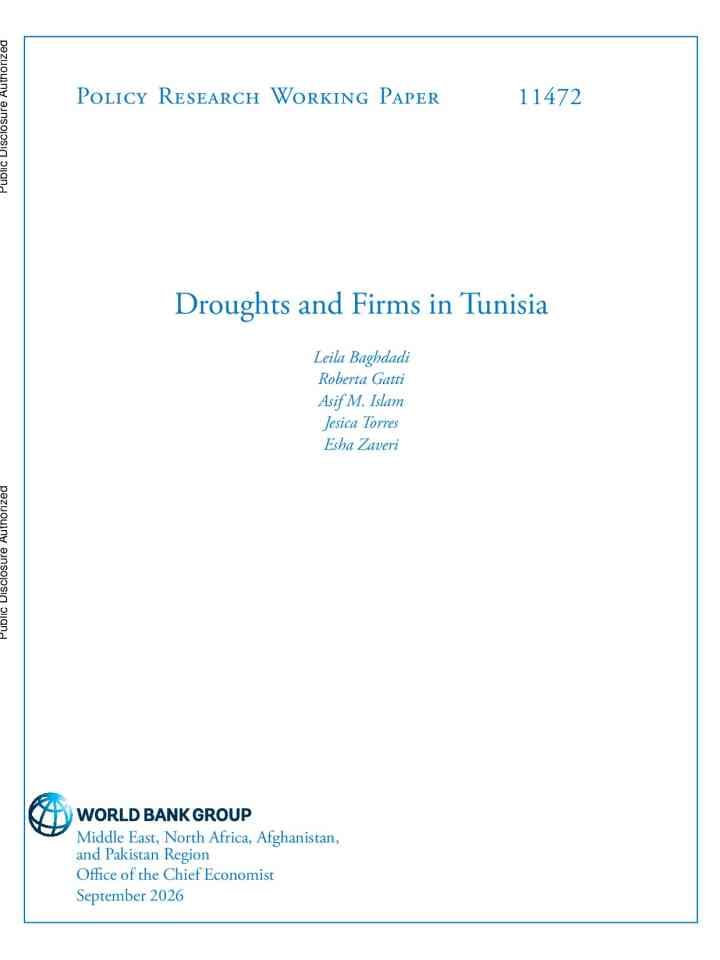

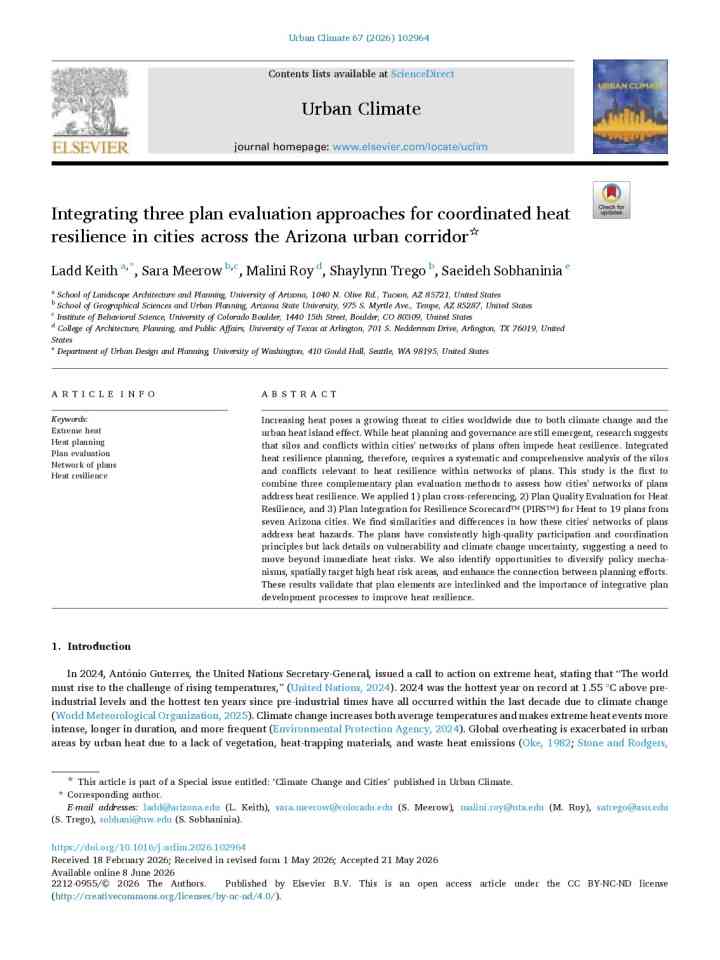


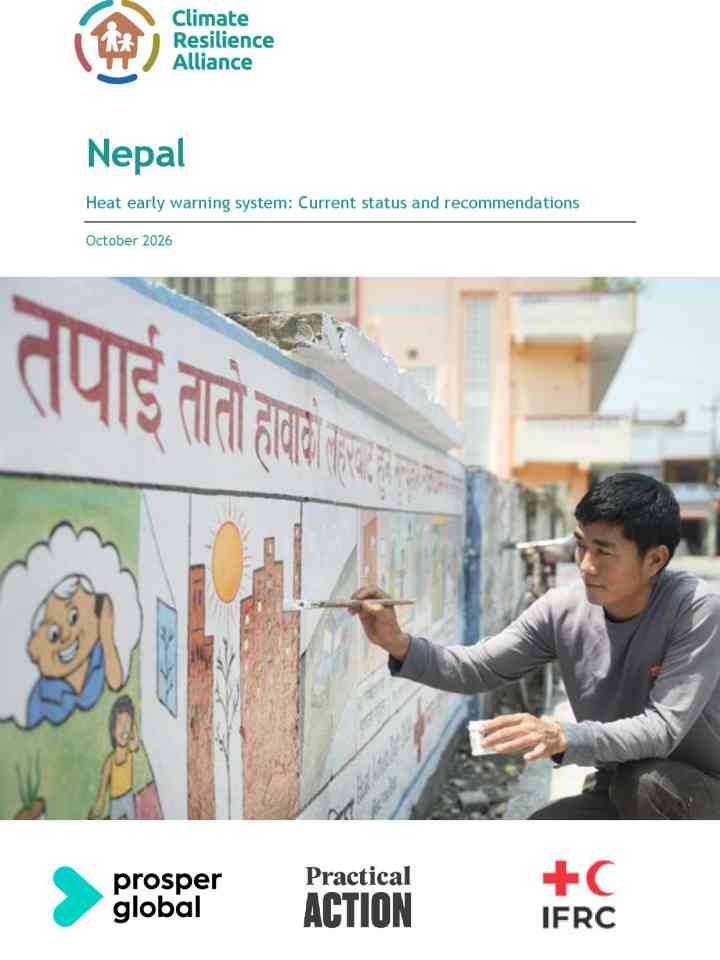
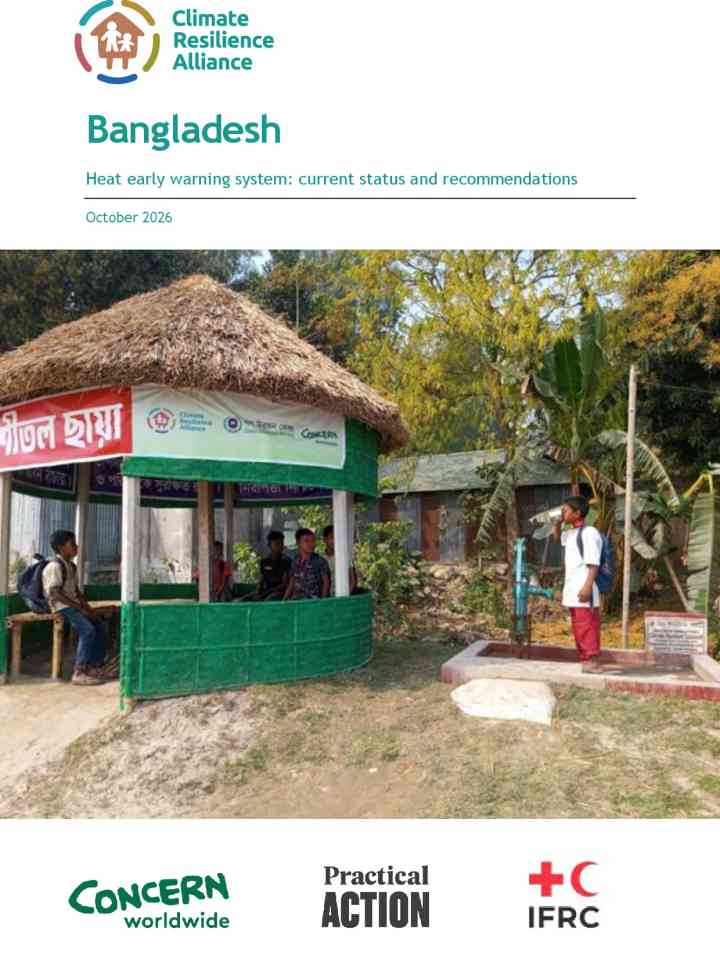




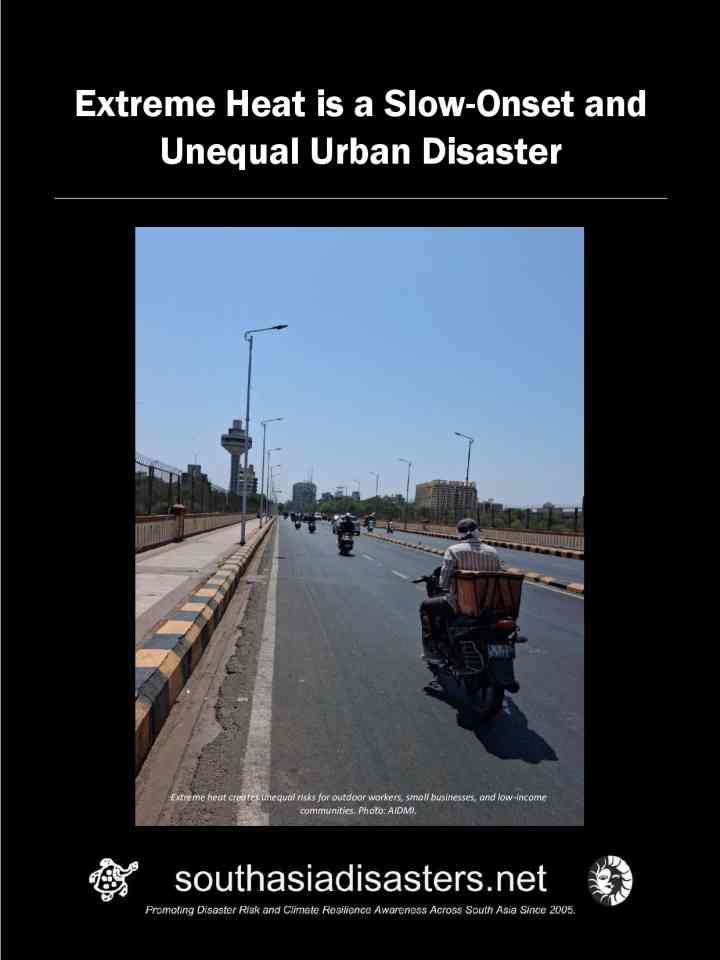
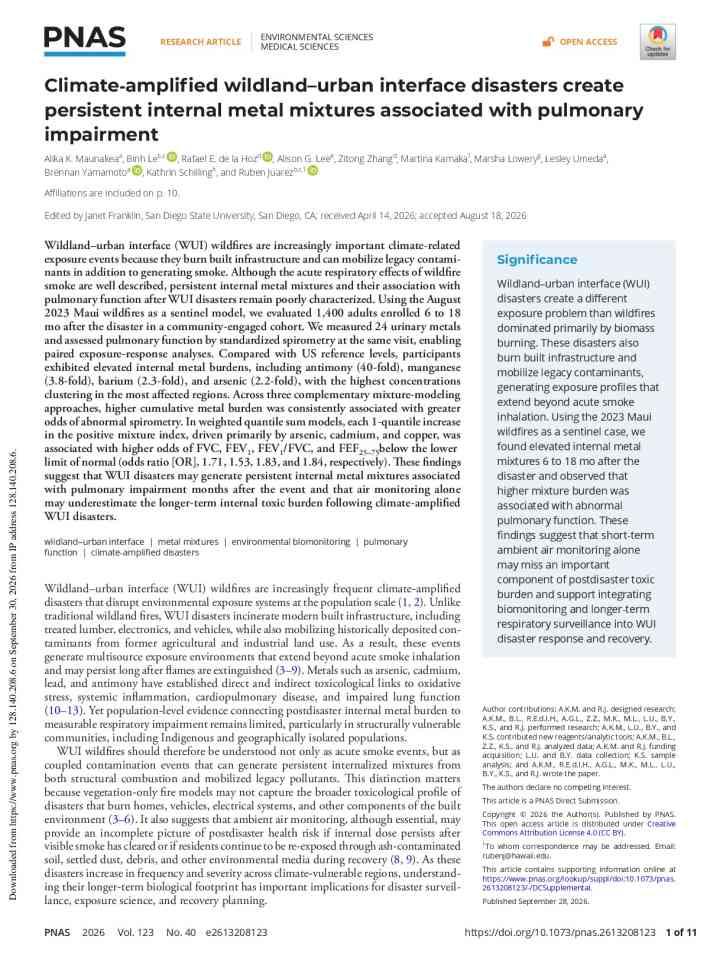

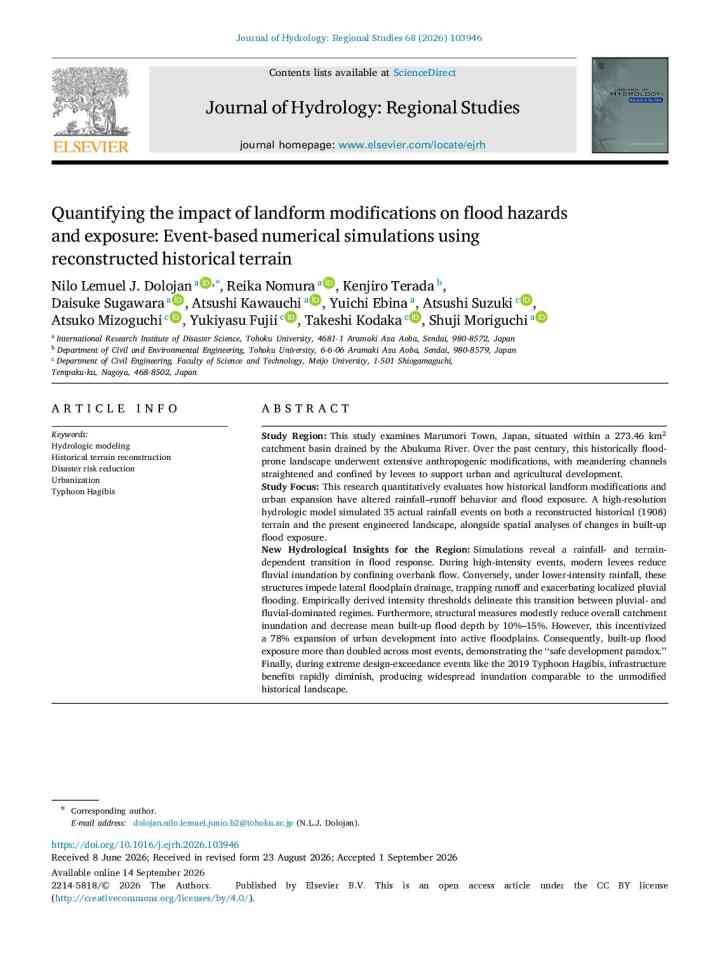

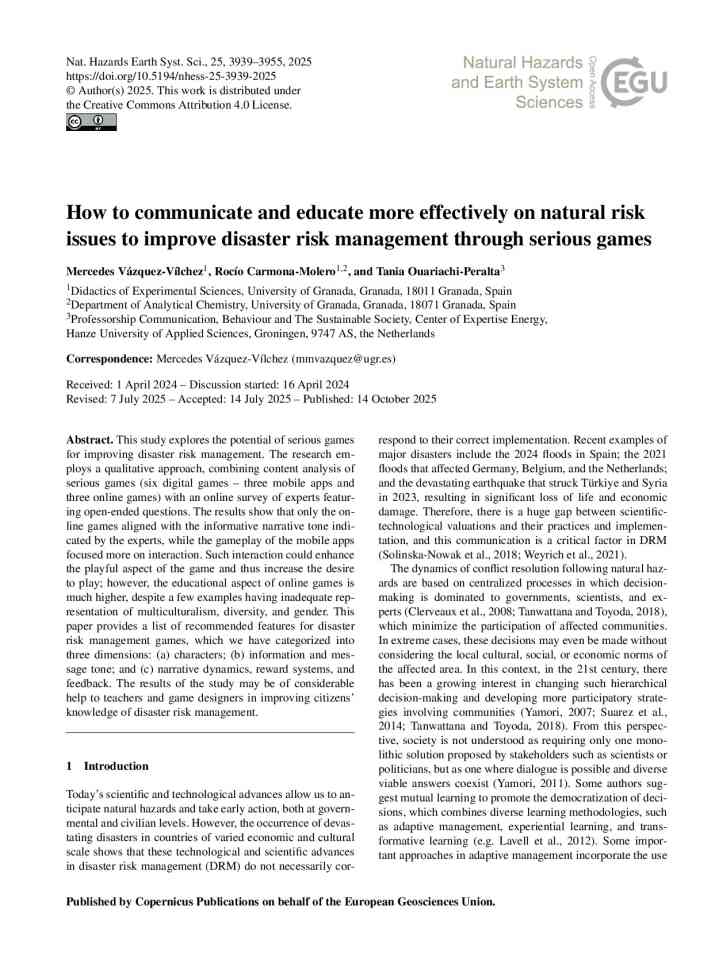
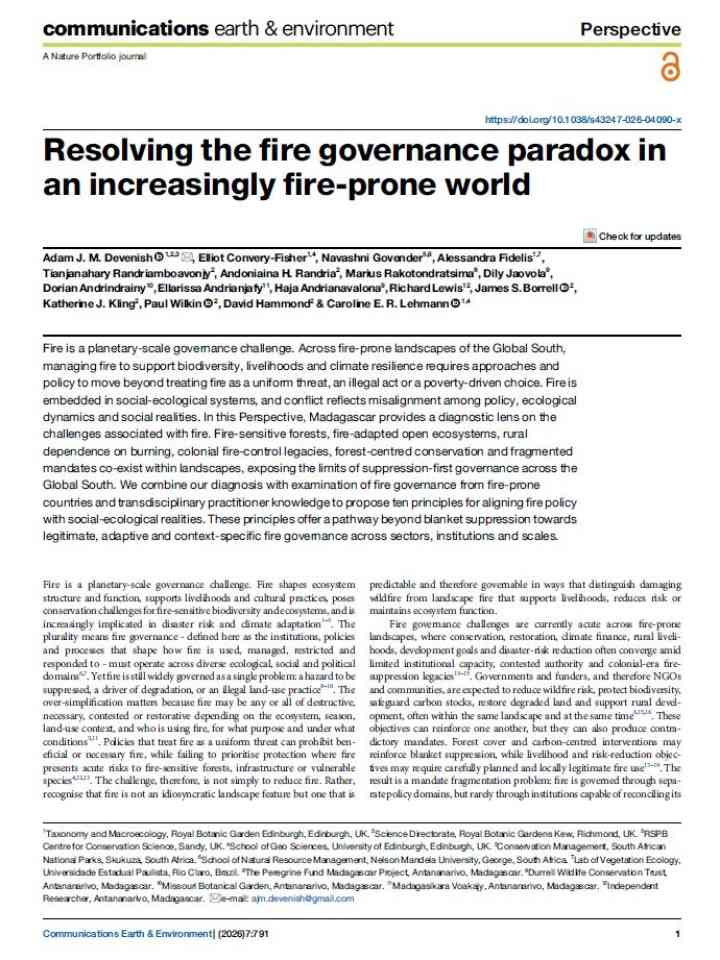
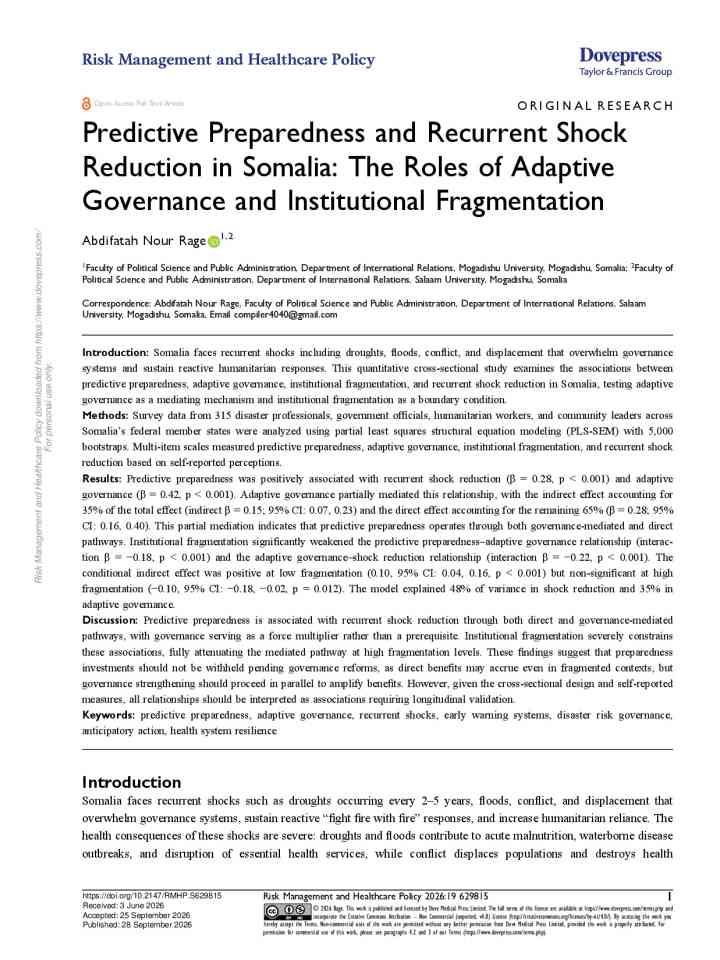

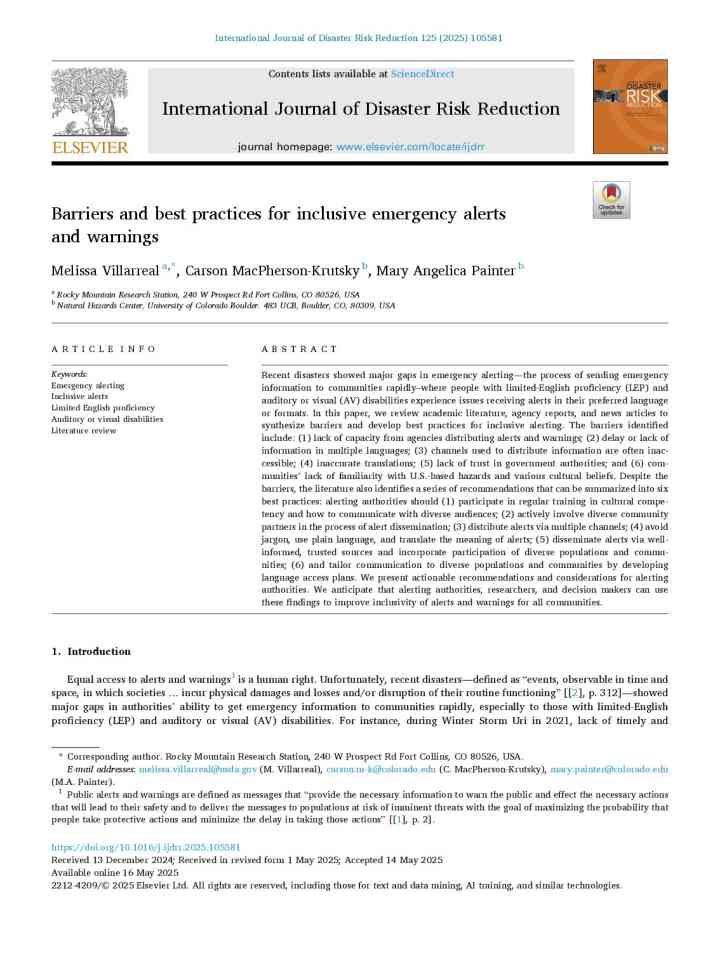
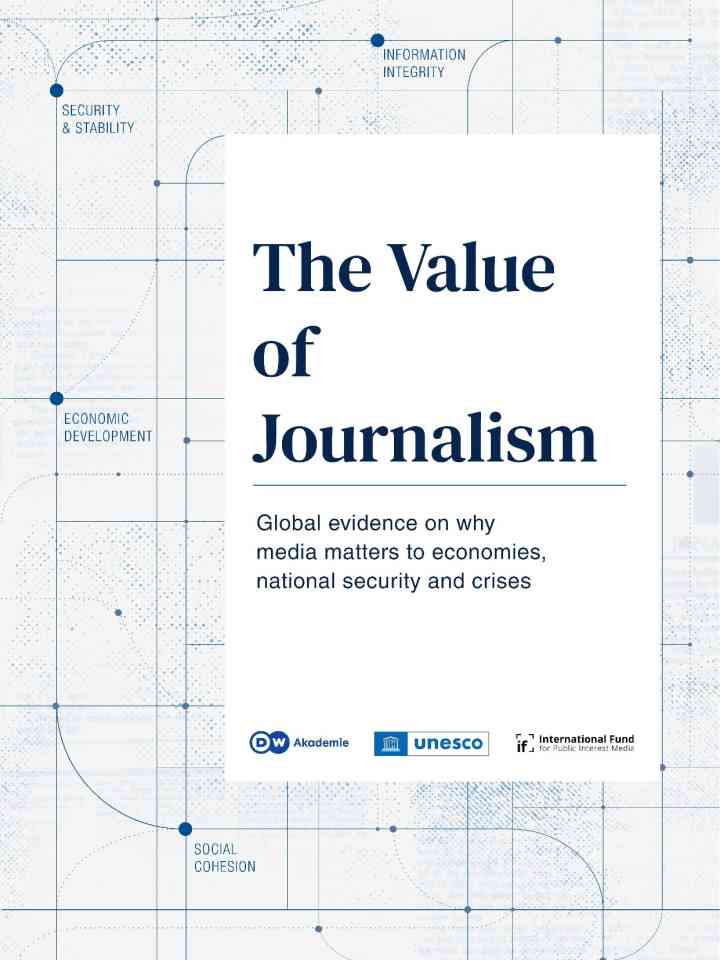
Policies and resources
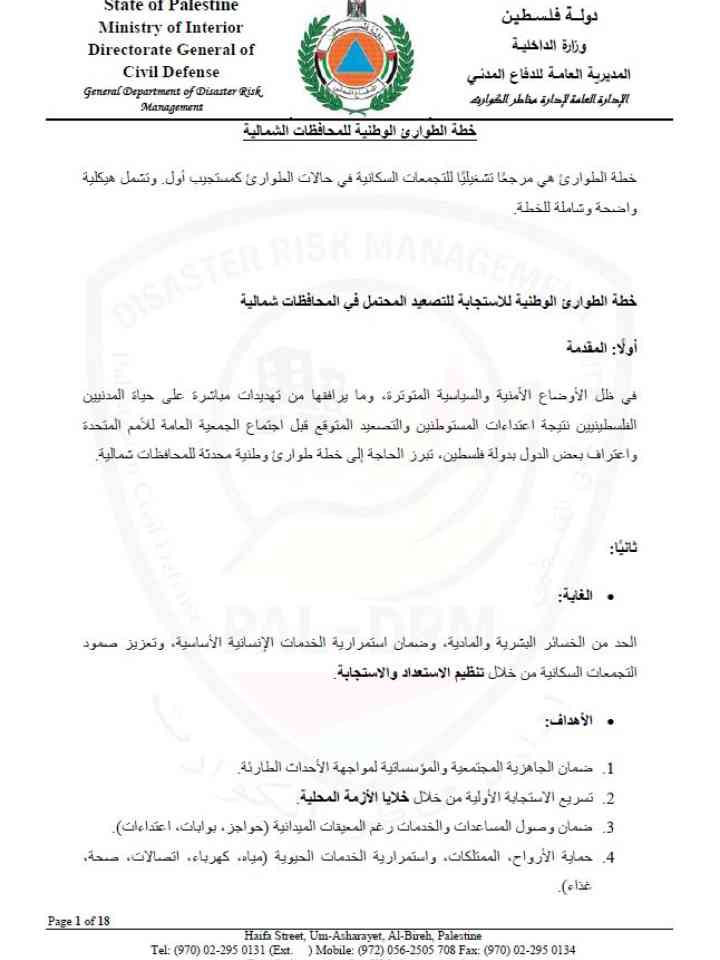
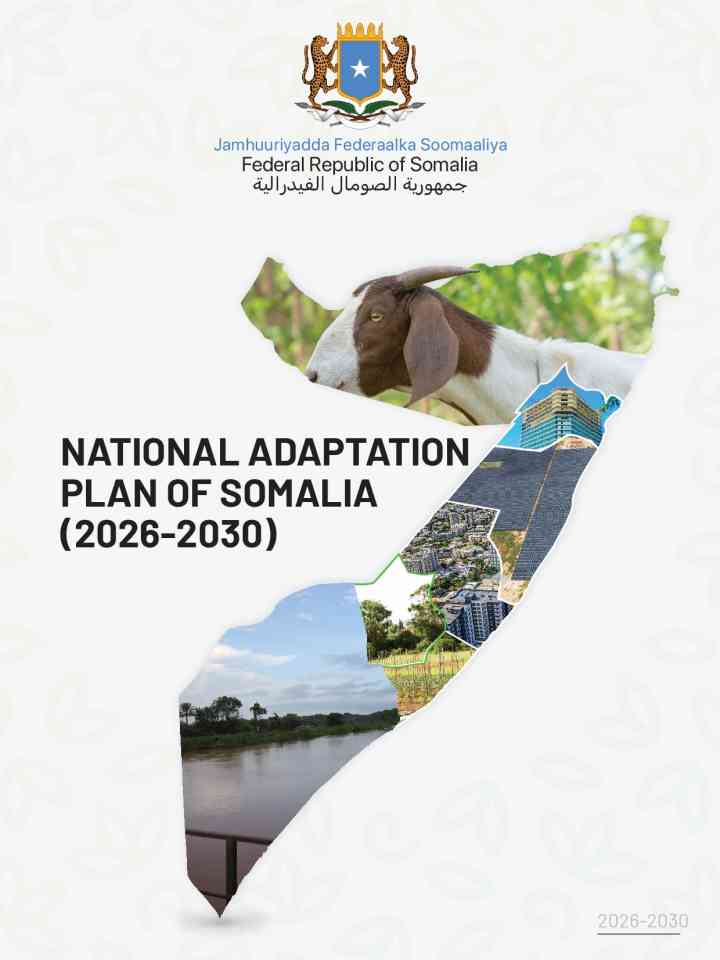
Find policies and plans, or explore the latest publications, news and other resources.
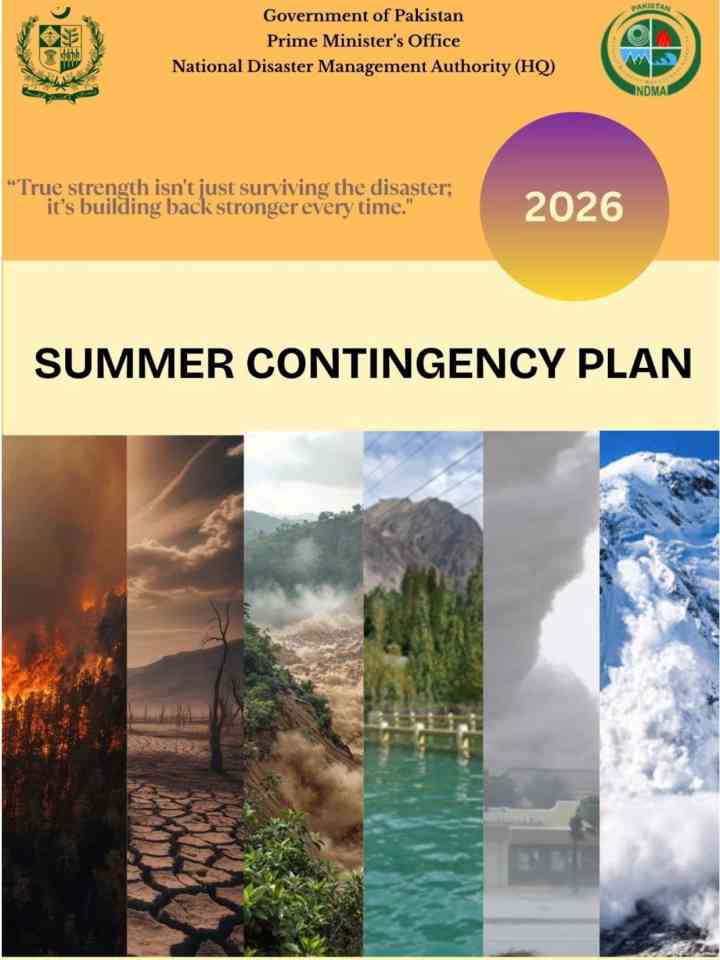
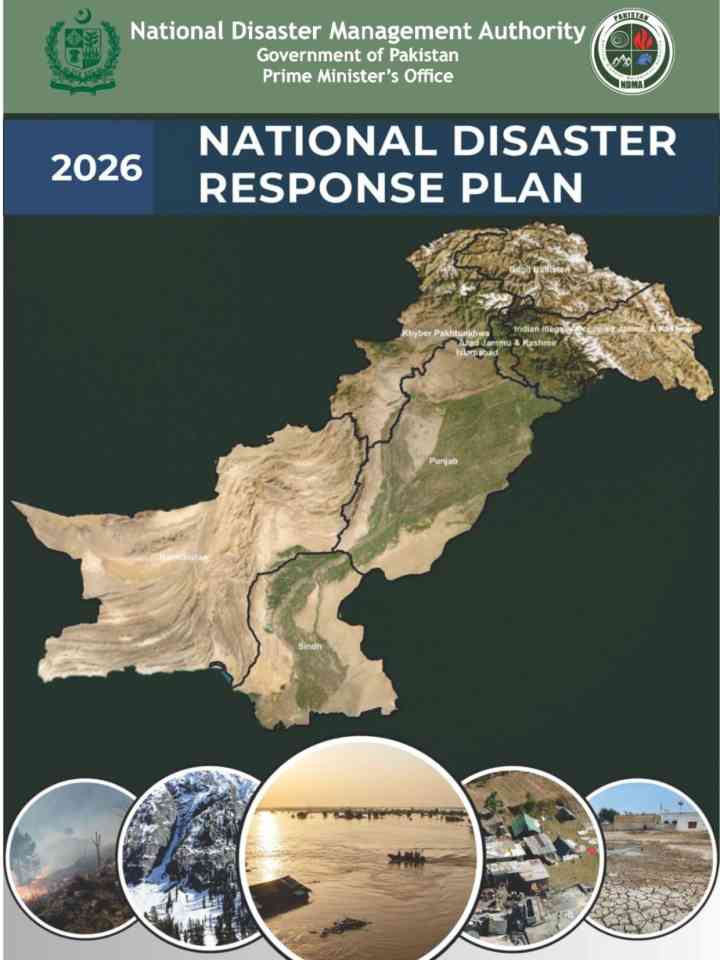
- Policies and plans
Policies and plans
- All country content
All country content






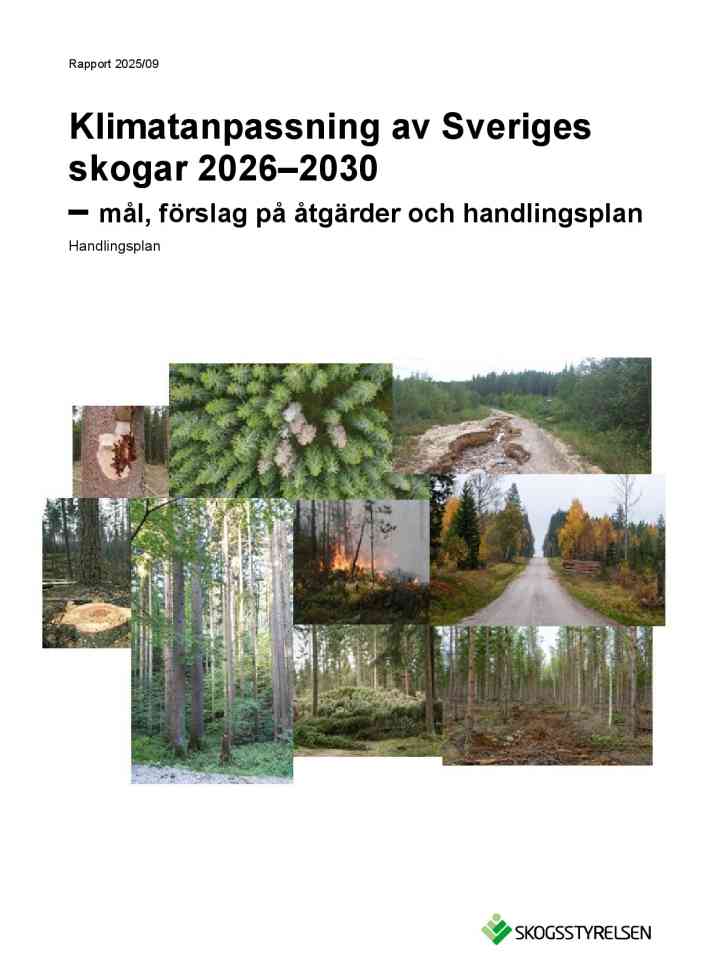

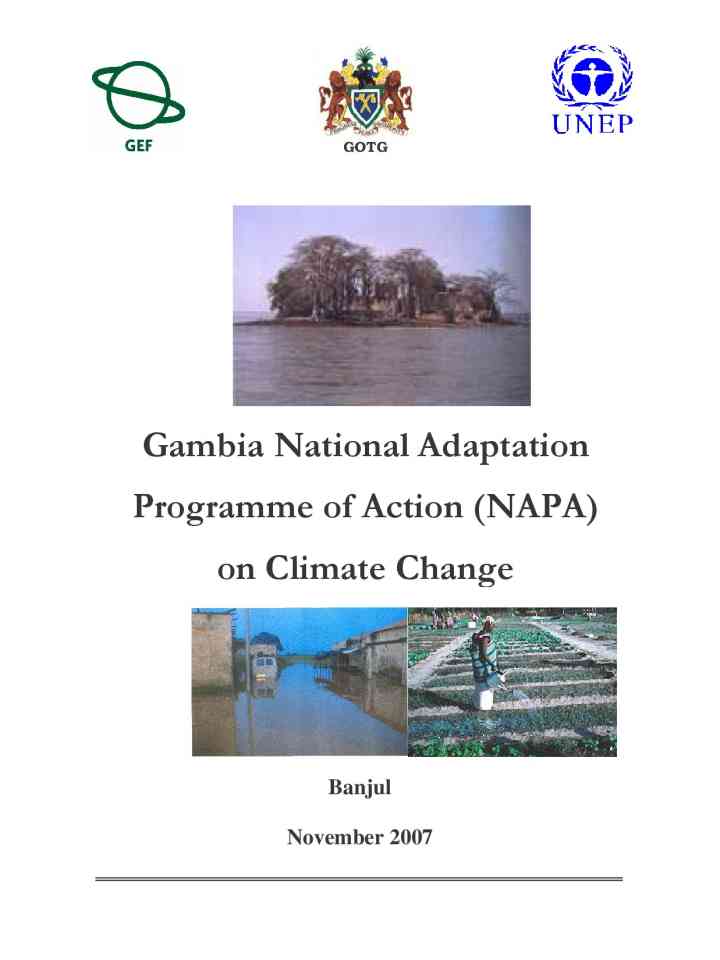


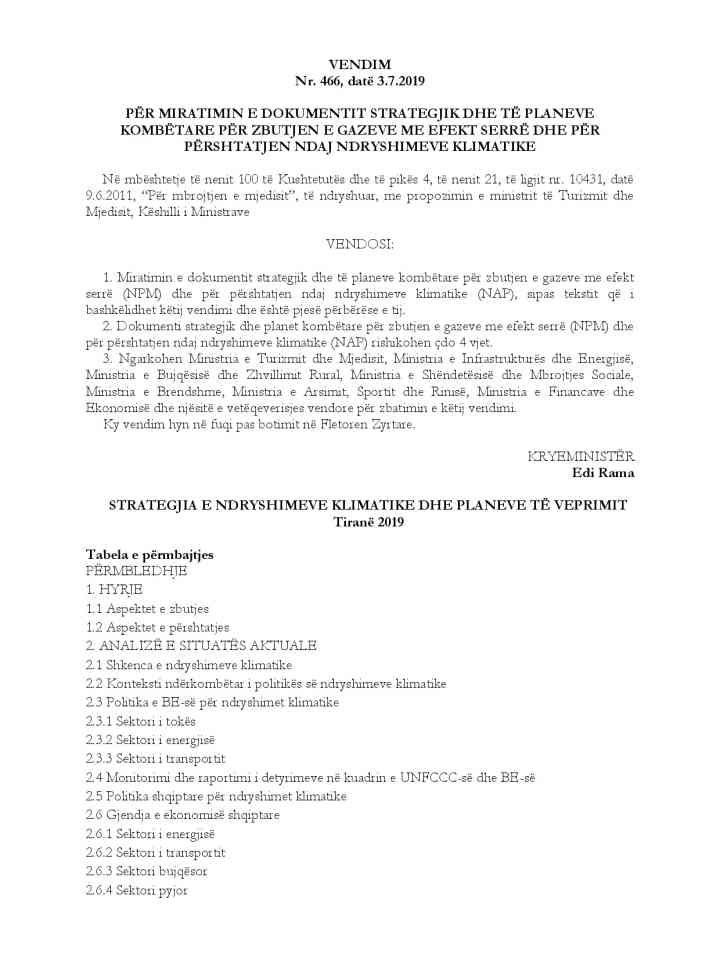









Understanding disaster risk
Explore modelled economic risk through three complementary views. These estimates describe potential losses; they are not a record of disasters that have already occurred.
Risk across hazards
Average Annual Loss (AAL) expresses modelled economic loss as an annual average over the long term. The distribution across hazards helps put the country’s risk landscape in context. It does not predict the loss in any particular year.
Buildings and disaster risk
Explore how the modelled risk is distributed across building types. Read the chart alongside national risk assessments to understand which assets may need closer attention. Values reflect the coverage and assumptions of the source model.
A changing climate
Compare Average Annual Loss under the available climate scenarios. These are modelled scenarios, rather than a forecast of exactly what will happen. The source data provides the basis for interpreting the differences.
National institutions
Find the Sendai Framework focal-point organisation and National Platform recorded in PreventionWeb. These listings identify institutions; they do not indicate a country’s progress in implementing the Sendai Framework.